Burundi is bracing for strong rains over the next three months due to the El Niño phenomenon, which is expected to cause widespread floods, rising water levels, landslides, and ground collapses across the country. Experts in environment and the Geographic Institute of Burundi (Igebu) issued this alert, warning of significant environmental impacts across the nation. The anticipated weather patterns are a direct consequence of the El Niño climate phenomenon, which typically brings warmer ocean temperatures and altered rainfall patterns to various parts of the globe, including East Africa. For Burundi, this translates into a heightened risk of environmental disasters that could affect infrastructure, agriculture, and public health. The severity of the forecast has prompted calls for immediate preparedness and mitigation strategies from both governmental bodies and environmental specialists.
Innocent Banigwaninzigo, an environmental expert, stated that El Niño will manifest across East Africa, including Burundi, over the coming three months. This phenomenon translates to excessive and torrential rainfall, leading to river overflows such as the Rusizi river, as well as rising levels of Lake Tanganyika and increased internal river flows. The intensity and duration of these rainfall events are projected to be significantly higher than average, posing considerable challenges to communities residing near water bodies. Other anticipated manifestations include landslides and ground collapses, particularly in steep areas like the Congo Nil crest and the Mirwa region. These geographical areas are inherently vulnerable due to their topography, and the added moisture from heavy rains significantly increases the risk of soil instability. Strong winds and hail are also expected during this period, which could further exacerbate damage to crops and infrastructure, adding another layer of complexity to the impending weather crisis. The combination of these extreme weather events paints a concerning picture for the country's environmental and socio-economic stability.
Residents Brace for Impact
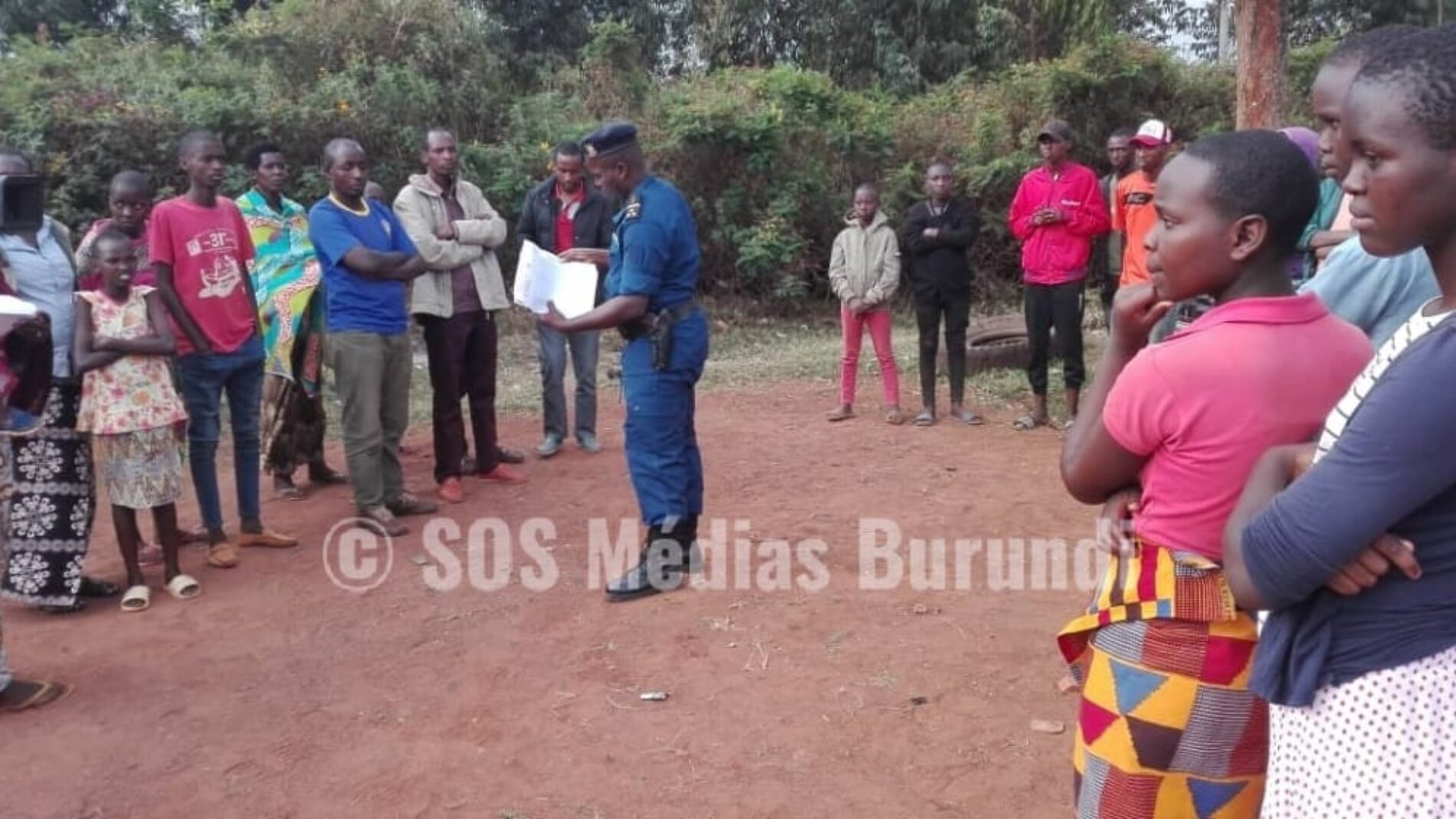
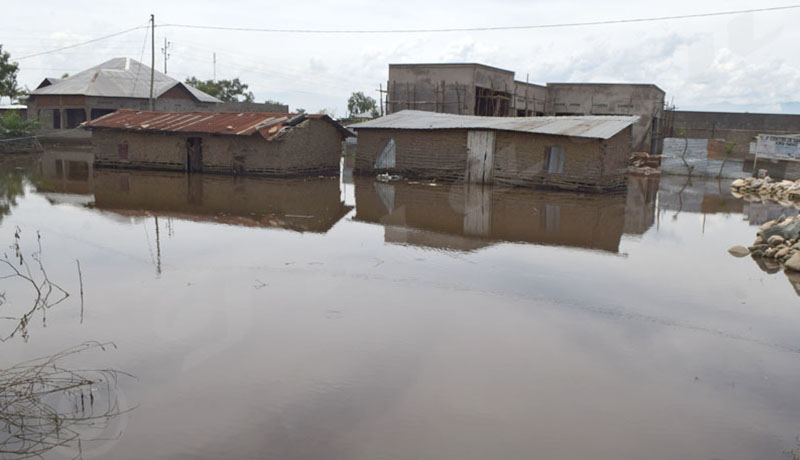
Residents in various areas of Burundi are already experiencing or anticipating the effects of the impending heavy rains. The historical vulnerability of certain regions to flooding and landslides means that many communities are on high alert. Damas Ndiho, a resident of Mushasha II in Gatumba, Ntahangwa commune, Bujumbura province, has been forced to relocate three times due to floods originating from the Rusizi river. His repeated displacement shows the chronic nature of the flooding problem in this area and the immediate threat posed by further heavy rainfall. Similarly, Egide Niyonsaba, from Kinyinya hill, has been impacted by the rising waters of the Rusizi river and the overflowing of Lake Tanganyika. The dual threat from both riverine and lake flooding notes the widespread hydrological challenges facing communities in the vicinity of these major water bodies.
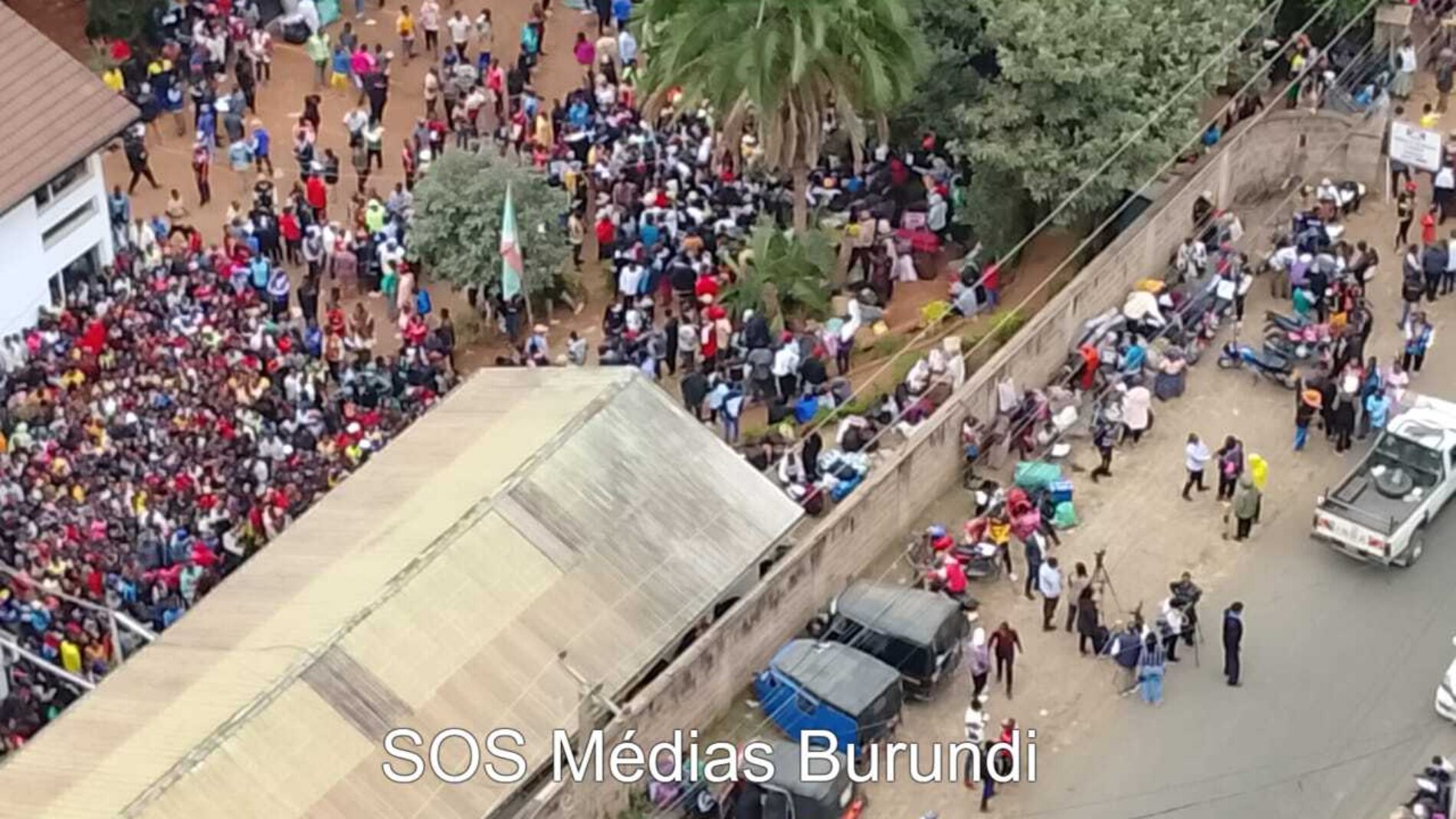
Near the Cari river in Winterekwa, Ntahangwa commune, a resident identified as G.B. Expressed fears that their house could collapse as a result of ongoing landslides. The continuous soil movement in such areas poses an immediate danger to lives and property, forcing residents to live in constant apprehension. In Mugoboka commune, Mukaza, residents face threats from widening ravines, a situation exacerbated by spontaneous and unplanned occupation of the land. This anarchic occupation often leads to construction in unsuitable areas, increasing vulnerability to natural hazards like erosion and ground collapse. The anticipated rise of Lake Tanganyika also concerns displaced people from the Makombe site in Rumonge commune, Burunga province, who are already vulnerable. These internally displaced persons often live in temporary shelters and lack strong infrastructure, making them particularly susceptible to the impacts of rising water levels and severe weather. The precarious situation of these communities shows the urgent need for protective measures and humanitarian assistance.
Users of the RN3, the main road connecting Bujumbura and Nyanza, are worried about the route becoming impassable. This concern stems from the potential for landslides and the current lack of dredging in rivers and streams along the road. The RN3 is a critical transport artery, and its disruption would have significant economic and social consequences, isolating communities and hindering the movement of goods and services. The memory of past events contributes to these anxieties. The region experienced significant floods in December 2019, which led to both loss of life and extensive material damage, showing the potential severity of the upcoming El Niño-induced rainfall. These past disasters serve as a stark reminder of the destructive power of extreme weather and fuel the current apprehension among the populace. The cumulative effect of these localized fears and past experiences creates a widespread sense of urgency across various segments of Burundian society.
Expert Warnings and Recommendations
Innocent Banigwaninzigo, an environmental expert, has recommended strengthening epidemiological surveillance to monitor diseases such as cholera, dysentery, and malaria. These waterborne and vector-borne diseases typically see a surge during and after periods of heavy rainfall and flooding due to contaminated water sources and increased mosquito breeding grounds. Enhanced surveillance would allow for early detection and rapid response, potentially preventing widespread outbreaks. The expert also suggested the need for thorough cleaning and clearing of collector gutters and rivers that traverse urban centers. Blocked drainage systems are a major contributor to urban flooding, and proactive maintenance can significantly reduce the risk of water accumulation and associated damages. These measures are proposed to mitigate potential health crises and infrastructure damage linked to the expected heavy rainfall, forming a key part of the preparedness strategy.
Jean-Marie Congera, Director of Provincial Environment, Agriculture, and Livestock in Burunga, has advised farmers to cultivate crops that are resistant to heavy rainfall. This recommendation aims to safeguard agricultural yields in the face of anticipated adverse weather conditions, ensuring food security for the region. Congera acknowledged that while the population is generally aware of the importance of contour line tracing on mountains for soil conservation, there is a comparatively lower level of understanding regarding the El Niño phenomenon itself. This disparity in awareness notes a need for more targeted information on the specific impacts and preparedness measures for El Niño, moving beyond general environmental practices to address the specific climatic threat. The expert's observation points to a critical communication gap that needs to be addressed through public awareness campaigns.
Congera's observations show a critical gap in public awareness, particularly concerning the broader implications of El Niño beyond immediate environmental protection practices. While local communities may understand basic soil conservation techniques, the systemic and broad effects of a global climate phenomenon like El Niño often remain abstract. The expert's emphasis on rain-resistant crops reflects a proactive approach to food security in a region highly dependent on agriculture. Such agricultural adaptations are deemed essential for communities to withstand the challenges posed by increased precipitation and potential flooding, which could otherwise severely impact livelihoods and lead to food shortages. The call for improved epidemiological surveillance by Banigwaninzigo is a preventative measure against waterborne diseases and vector-borne illnesses, which typically see an increase during periods of heavy rainfall and flooding. These health risks are compounded by compromised sanitation systems and stagnant water bodies that can become breeding grounds for disease vectors, making strong public health interventions indispensable. The full nature of these recommendations, spanning agriculture, public health, and urban planning, notes the multifaceted challenges posed by the impending El Niño event.
Economic and Environmental Concerns
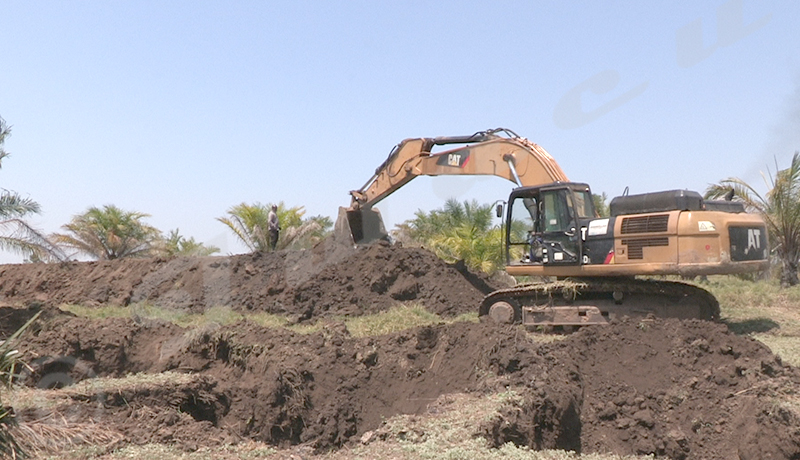
Farmers situated near the Murembwe and Dama rivers in Rumonge have requested that authorities undertake dredging operations in these waterways to prevent anticipated flooding. The plea comes amid concerns that heavy rainfall associated with the El Niño phenomenon could cause the rivers to overflow their banks, posing a significant threat to agricultural land and local livelihoods. Dredging would increase the carrying capacity of the rivers, reducing the likelihood of inundation and protecting valuable farmland. Such preventative measures are considered key for protecting crops and infrastructure in the affected areas of Rumonge, where agriculture forms the backbone of the local economy. The proactive request from farmers demonstrates their understanding of the immediate threats and their desire for collaborative solutions.
Fishermen operating on Lake Tanganyika have reported that the rising water levels in the lake are destroying key fish breeding grounds. These shallow, vegetated areas are essential for the reproduction and early development of many fish species. This destruction is directly contributing to a reduction in overall fish production, impacting the livelihoods of those dependent on the fishing industry. The loss of these vital habitats threatens the long-term sustainability of fish stocks, which are a primary source of protein and income for numerous communities along the lake. The disruption to the aquatic ecosystem threatens long-term sustainability for local fishing communities, potentially leading to economic hardship and food insecurity.
Additionally, fishermen have observed that increased erosion from surrounding mountains is leading to significant pollution of Lake Tanganyika's waters. Sediment runoff and debris carried by heavy rains are degrading water quality, which further exacerbates the challenges faced by the lake's ecosystem and its fish populations. This influx of sediment can smother breeding grounds, reduce light penetration necessary for aquatic plants, and introduce pollutants that harm aquatic life. The combined effects of habitat destruction and pollution present a serious environmental and economic concern for the region, threatening not only the fishing industry but also the broader ecological health of one of Africa's Great Lakes. The multifaceted impacts on both terrestrial and aquatic environments show the extensive reach of the El Niño phenomenon across Burundi.