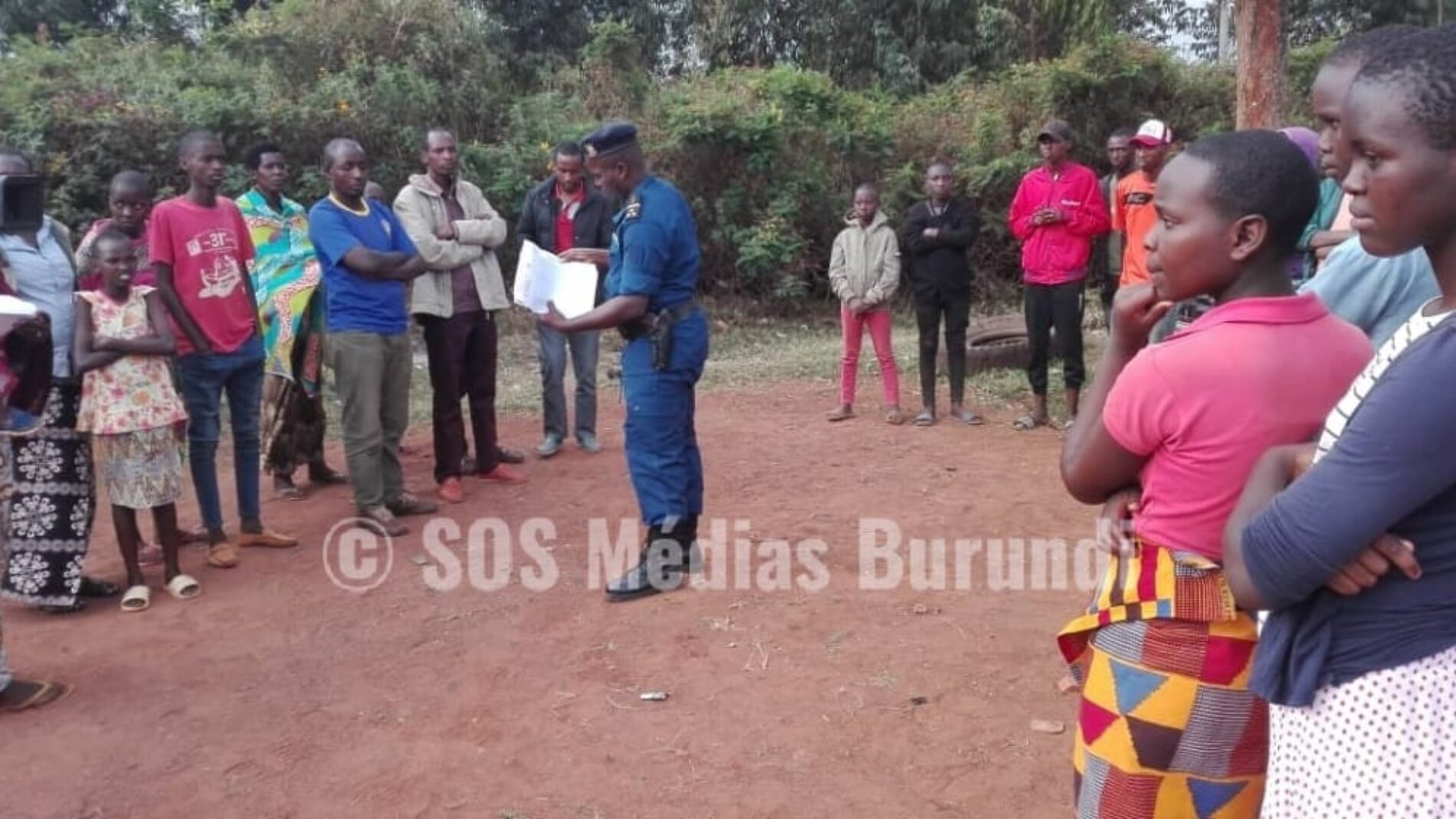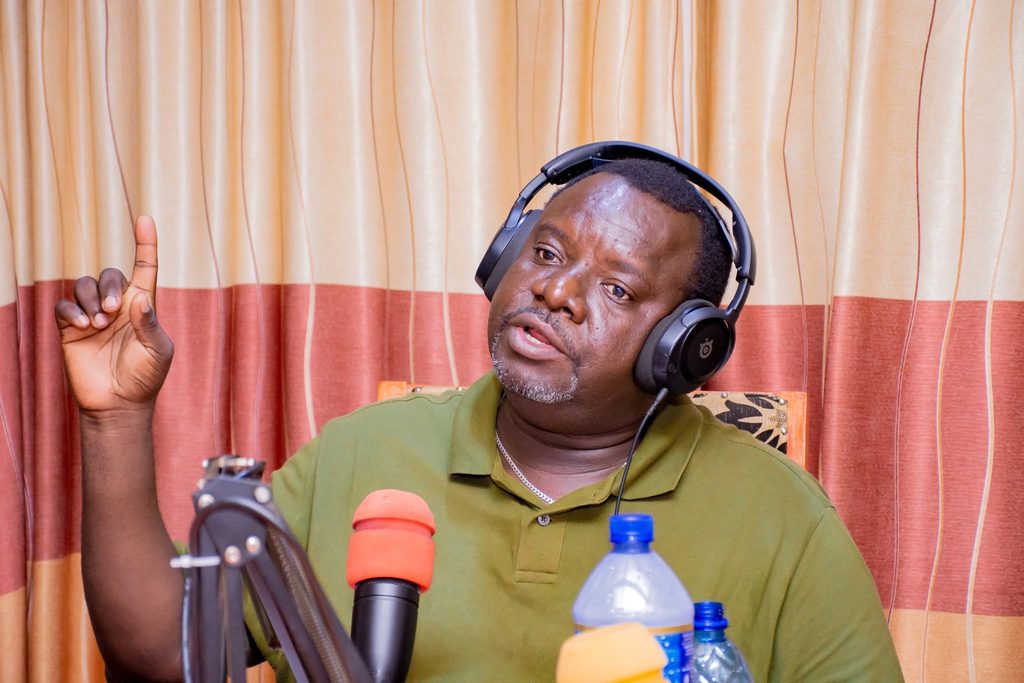
The Institut national de sécurité sociale (INSS) has changed its strategy to sensitize employers and employees about social protection mechanisms in Burundi. The INSS is now focusing on inhabitants in the country's most remote areas, recognizing the critical need to extend social security coverage beyond urban centers. To achieve this, the organization launched debate programs on two radio stations in Butanyerera province. These programs aimed to raise awareness, utilizing Remeshamahoro FM, located in Kirundo commune, and Umuco FM, broadcasting from Ngozi commune, to reach a broad audience in underserved regions. This strategic shift shows the INSS's commitment to ensuring that all citizens, regardless of their geographical location, are informed about and have access to vital social protection services.
Why Social Security Matters
The campaign by the Institut national de sécurité sociale (INSS) encourages citizens to join the national social protection program. This participation is framed as a preparation for retirement and a key contribution to Burundi's national vision, which aims for the country to be emerging by 2040 and developed by 2060. This national vision explicitly includes social protection coverage as Objective 17 of its 2040-2060 framework, noting its foundational role in the nation's long-term development. Despite efforts and advances made by key institutions such as the INSS, the Office national des pensions et risques professionnels (ONPR), and the Mutuelle de la fonction publique (MFP), social protection coverage in Burundi remains low. Access to these schemes is still limited for many segments of the population across the country, particularly in remote areas, making the current sensitization campaign all the more vital. The INSS emphasizes that broader participation in social security schemes is essential not only for individual well-being but also for the collective progress envisioned by the national development plan.
Benefits of INSS Coverage
Upon registration with the Institut national de sécurité sociale (INSS), workers immediately gain access to a range of benefits. These benefits are structured into two primary branches: pensions, designed to provide financial stability in old age, and professional risks, which specifically cover work-related accidents and occupational diseases. This full coverage is designed to protect workers and their families from various life uncertainties.
Members who reach retirement age are entitled to receive a lifelong pension, providing a steady income stream after their working years. This ensures financial security and dignity in retirement. In situations where an insured individual passes away, their pension rights can be transferred to their legal spouses or to children who are under the age of 21, extending a safety net to dependents. For incidents involving work accidents, the INSS provides full coverage for necessary medical care, ensuring that injured workers receive prompt and appropriate treatment. Additionally, the INSS offers an allowance, which is determined proportionally to the degree of disability or suffering experienced by the worker, providing financial support during recovery and rehabilitation.
The scope of social security coverage extends beyond traditional office employees or state agents. It encompasses employees working in various private sector establishments, including those in hotels, bars, and other private institutions, ensuring a broader application of social protection mechanisms across diverse industries. This inclusive approach aims to ensure that a wider array of the Burundian workforce benefits from the protections offered by the INSS, fostering a more secure and equitable working environment.
Call to Employers and Employees
Employers who have not yet registered their staff for social security contributions are urged to do so promptly. The Institut national de sécurité sociale (INSS) advises these employers to register their employees at the nearest INSS office. This directive is part of a broader campaign to expand social protection coverage across Burundi, particularly in remote areas where awareness and access may be limited. The INSS aims to ensure that all eligible workers benefit from the established social security mechanisms, which include pensions and coverage for professional risks such as work-related accidents. Expanding registration is critical for individuals to access lifelong pensions upon retirement and for their dependents to receive benefits in the event of their passing. It ensures medical care and allowances for workers injured on the job, mitigating the financial and health impacts of workplace incidents. The INSS emphasizes the importance of these contributions for the well-being of employees and their families, aligning with national development goals for increased social protection and a more resilient workforce as Burundi strives towards its Vision 2040-2060.