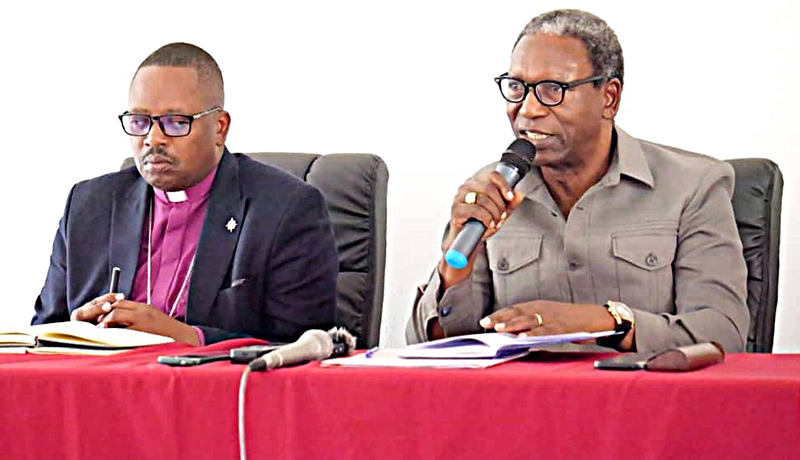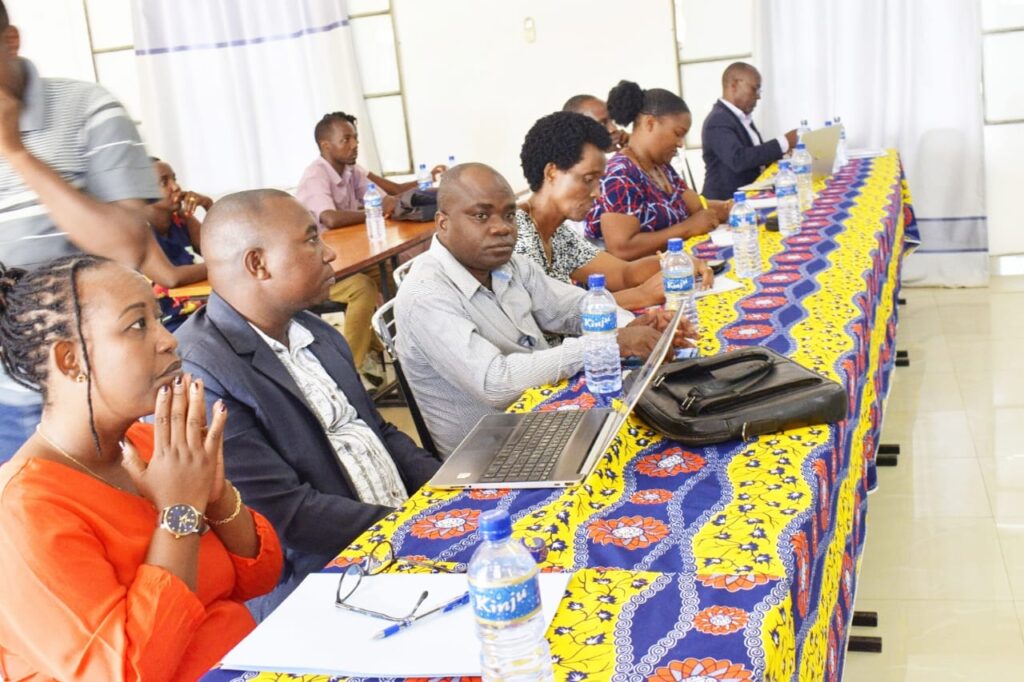
A public conference convened on World Environment Day, Friday, June 5, 2026, to address the escalating climate crisis in Burundi. The event, meticulously organized by the Maison de la presse du Burundi and the MeDIC/AFJO project, focused on the critical theme of 'Environmental peace and climate'. This significant gathering brought urgent attention to the country's severe vulnerability to the impacts of a changing global climate. Participants at the conference showed a stark reality: climate change is now a daily reality, rather than a distant, theoretical threat, for the nation and its inhabitants. Burundi is starkly classified among the ten most vulnerable nations globally to climate disruption, a designation that profoundly shows the urgency and gravity of the discussions held during the conference. The overarching aim of the gathering was to foster and develop strong strategies for achieving environmental peace amidst the complex and ongoing challenges posed by climate change. The discussions noted the imperative of integrating environmental considerations into peace-building efforts, recognizing that climate stressors can exacerbate existing vulnerabilities and potentially fuel conflict over diminishing resources.
Climate Impacts on Burundi
The consequences of climate change are already profoundly visible across Burundi, manifesting in devastating ways. Recent devastating floods have occurred in significant areas such as Gatumba and along the shores of Lake Tanganyika, impacting local communities with severe displacement and destruction. These climate-induced events, alongside increasingly frequent landslides and widespread soil erosion, directly affect the livelihoods of Burundian populations, threatening their homes, agricultural lands, and access to essential resources. It has been observed that women and children are particularly vulnerable to the severe consequences of these environmental disruptions, often bearing the brunt of resource scarcity, displacement, and health crises. The recurring nature of these events demands immediate and sustained attention to protect the most susceptible segments of the population.
Beyond the immediate human toll, climate disruptions also negatively impact Burundi's national economy, challenging its stability and growth prospects. Agricultural productivity, which remains a cornerstone of the economy and the primary source of income for a vast majority of the population, suffers considerably due to unpredictable weather patterns, prolonged droughts, and extensive flooding. This directly translates into food insecurity and economic hardship for farming communities. Critical infrastructure across the country, including roads, bridges, and housing, is frequently damaged or destroyed by extreme weather events, necessitating costly repairs and hindering development efforts. The long-term implications for national planning and resource allocation are significant. A study conducted as far back as 2014 revealed a deeply concerning trend: 10% of Burundi's vital water sources had already dried up by that time. The study further indicated that the rate at which these essential water sources are disappearing is accelerating, exacerbating the challenges faced by the population in accessing clean water and by the economy, particularly in agricultural and industrial sectors. This accelerating depletion of water resources poses an existential threat to communities and ecosystems alike.
Media's Role and Project Goals
The conference, which placed a strong emphasis on environmental peace and climate issues, was a collaborative effort. It was proficiently organized by the Maison de la presse du Burundi, a key institution for media professionals, in conjunction with the MeDIC/AFJO project. The MeDIC project, which receives key support from the non-governmental organization Eirene, is specifically designed with the dual aim of promoting environmental peace while simultaneously working to strengthen social cohesion within Burundi. This integrated approach recognizes that environmental stability is intrinsically linked to community harmony and national resilience. The project actively encourages media professionals to play a proactive role in educating the public, raising awareness, and advocating for sustainable environmental practices. Through various initiatives, MeDIC/AFJO seeks to empower communities to address environmental challenges collaboratively, fostering a sense of shared responsibility. The national legislation in Burundi provides for severe sanctions against acts of bush fires, particularly those that destroy young trees, showing the government's commitment to protecting its natural resources and combating destructive practices. These legislative measures reflect a recognition of the significant ecological and economic damage caused by uncontrolled fires.
Call to Action and Future Steps
The international slogan for this year's World Environment Day, powerfully articulated as 'The signs are clear, the next steps are up to us for the climate', served as a resounding call to action. This poignant message aimed to galvanize concerted efforts towards environmental preservation not only in Burundi but also across the globe, emphasizing shared responsibility. The conference participants and organizers reiterated the critical need for immediate and decisive action to mitigate the impacts of climate change and adapt to the new environmental realities.
In response to the pressing environmental challenges, a national campaign for tracing anti-erosion ditches, utilizing a community-based approach, has been urgently advocated as a key future step. Such initiatives are intended to mitigate the severe land degradation and soil erosion that continue to impact the country's vulnerable landscapes, protecting agricultural land and infrastructure. This community-centric strategy aims to empower local populations to actively participate in environmental protection efforts, fostering ownership and ensuring the sustainability of these interventions. The collaborative nature of this proposed campaign notes the importance of local knowledge and collective action in addressing widespread environmental issues.
Burundi's national celebration for World Environment Day is specifically scheduled for June 26, 2026. This significant date will strategically coincide with the 6th day of borders in Africa, providing a unique and expansive platform to further discuss and implement environmental strategies within a broader regional context. This alignment aims to foster cross-border cooperation on environmental issues, recognizing that climate change transcends national boundaries and requires collective, regional solutions. The national celebration will serve as an opportunity to review progress, share best practices, and renew commitments towards a more sustainable and peaceful environmental future for Burundi and the wider African continent.