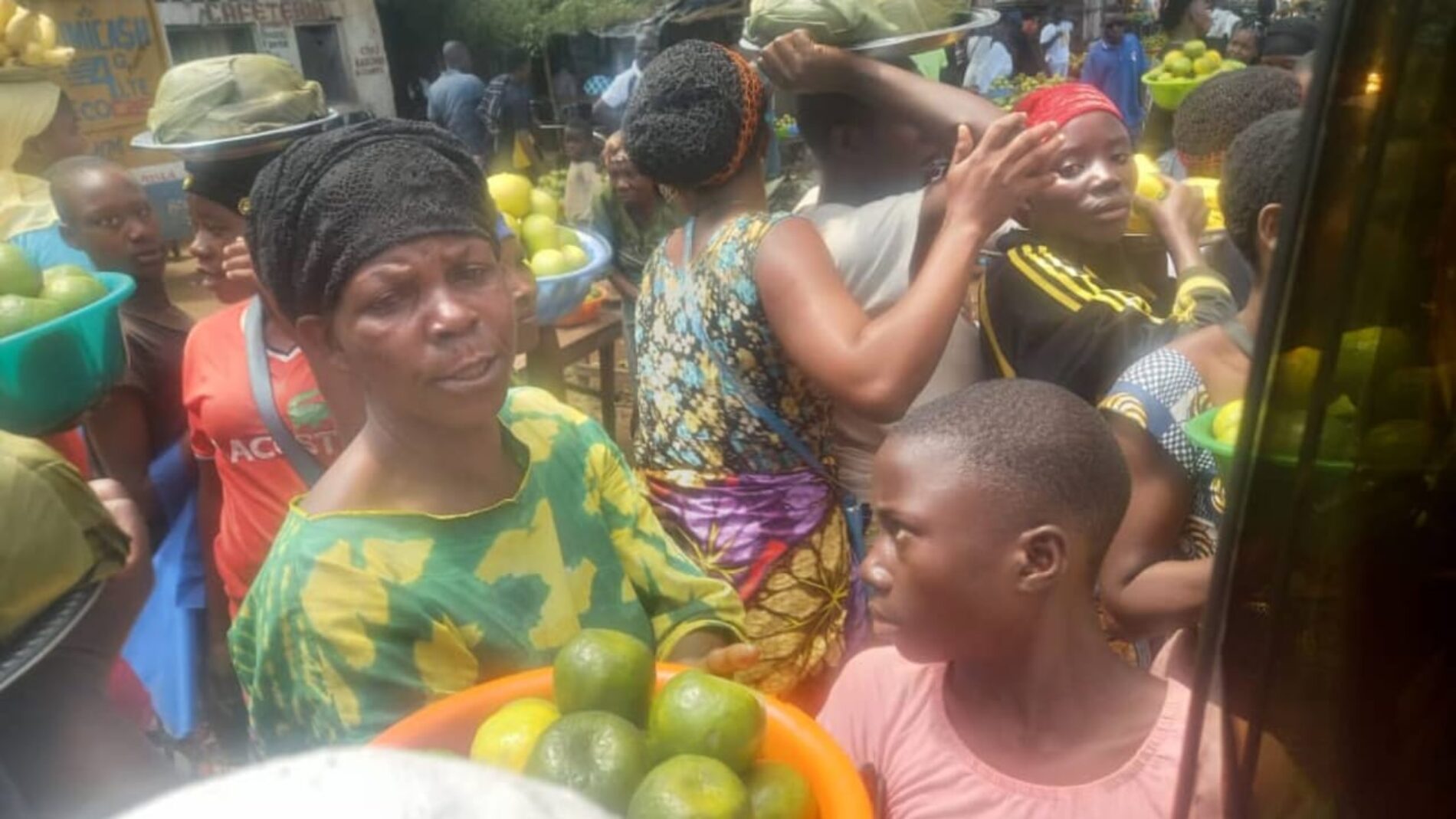
Mandarines are experiencing a sharp rise in the Kizuka zone, Rumonge commune, Burunga province, in southwestern Burundi during the current harvest season. This significant increase in price is a direct consequence of a poor harvest, severely impacting both local producers and consumers. Prices have more than doubled compared to last year, according to local reports from the affected areas. A basket of mandarines that previously sold for 2,000 Burundian francs (BIF) is now trading at 5,000 francs, representing a substantial 150% increase. Another size of basket, which commanded a price of 5,000 francs last year, is now exchanged for nearly 10,000 francs, indicating a similar doubling of costs for larger quantities. This sharp escalation in prices shows the severity of the current situation for this essential fruit in the region.
Causes of Reduced Yield
The primary reason for the soaring prices is a drastically reduced yield from tangerine plantations across the region. Many tangerine trees in the area did not bear fruit this year, despite the ongoing harvest season and the typical period for abundant produce. This widespread failure to fruit has left many producers with far less to sell than anticipated. Producers cite diseases affecting some plantations as a primary cause for the reduced yield, noting that specific ailments have compromised the health and productivity of the trees. Additionally, producers point to a shortage of fertilizers as a significant factor hindering production, explaining that the lack of proper nutrients has weakened trees and diminished their capacity to bear fruit. The lack of sufficient phytosanitary products to protect the fruit trees from pests and diseases is also identified as contributing to the overall drop in tangerine output. These combined issues have severely impacted the volume of tangerines available in local markets, creating a scarcity that drives up prices. The absence of these key agricultural inputs has created a challenging environment for farmers, leading to widespread disappointment among those who depend on tangerine cultivation.
Impact on Vendors and Consumers
The repercussions of this poor harvest are being acutely felt by various stakeholders in the local economy. Street vendors in Rumonge are reportedly operating at a loss, facing significant financial distress. Many of these vendors had rented tangerine fields at elevated prices, anticipating a strong harvest that would allow them to profit from the seasonal demand. However, the expected yields did not materialize, leaving them with insufficient produce to cover their initial investments and operational costs. This situation has created significant financial strain for those who depend on tangerine sales for their livelihoods, with many struggling to recoup their expenses. The economic hardship extends beyond the vendors themselves, affecting their families and the broader community. Consumers are also severely affected by the scarcity and increased prices, making the fruit less accessible to the general population. The inflated costs at the wholesale level are directly passed on to the final buyers, impacting household budgets in the region and making a once affordable fruit a luxury for many.
Calls for Official Support
In response to the growing crisis, residents in Rumonge are urging local authorities and agricultural services to increase support for tangerine producers. They are specifically requesting facilitated access to essential supplies such as fertilizers and phytosanitary treatment products to help mitigate the challenges faced during the current harvest season. This appeal comes as producers grapple with reduced yields attributed to diseases and a shortage of agricultural inputs, noting an urgent need for governmental intervention. Providing these resources, residents believe, could significantly improve future yields and prevent similar crises.
Local residents are also advocating for improved monitoring of tangerine plantations by official bodies. They believe that better oversight could help limit losses caused by diseases and contribute to greater stability in market prices for tangerines. Enhanced monitoring could involve regular inspections, early detection of plant diseases, and the provision of expert advice to farmers on best practices. The calls reflect a strong desire for intervention to address the underlying issues affecting both production and the economic viability of tangerine farming in the region, ensuring a more sustainable future for this vital crop.