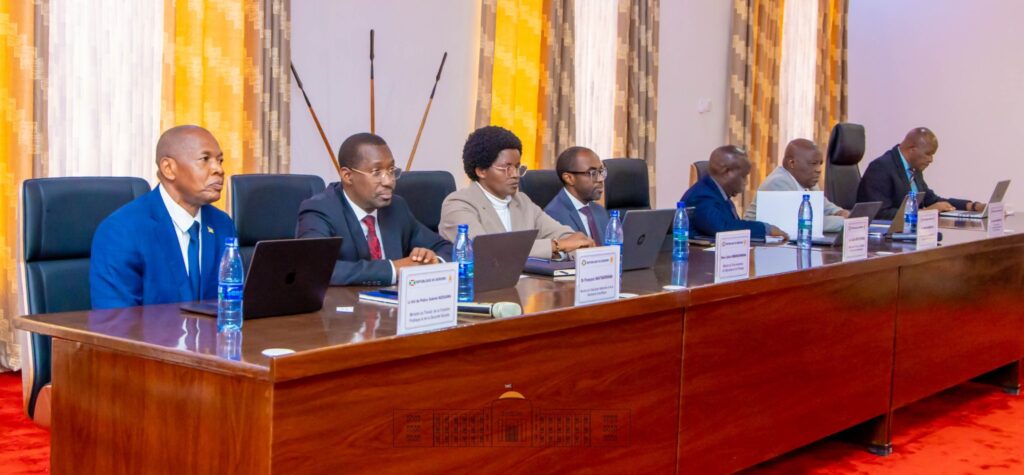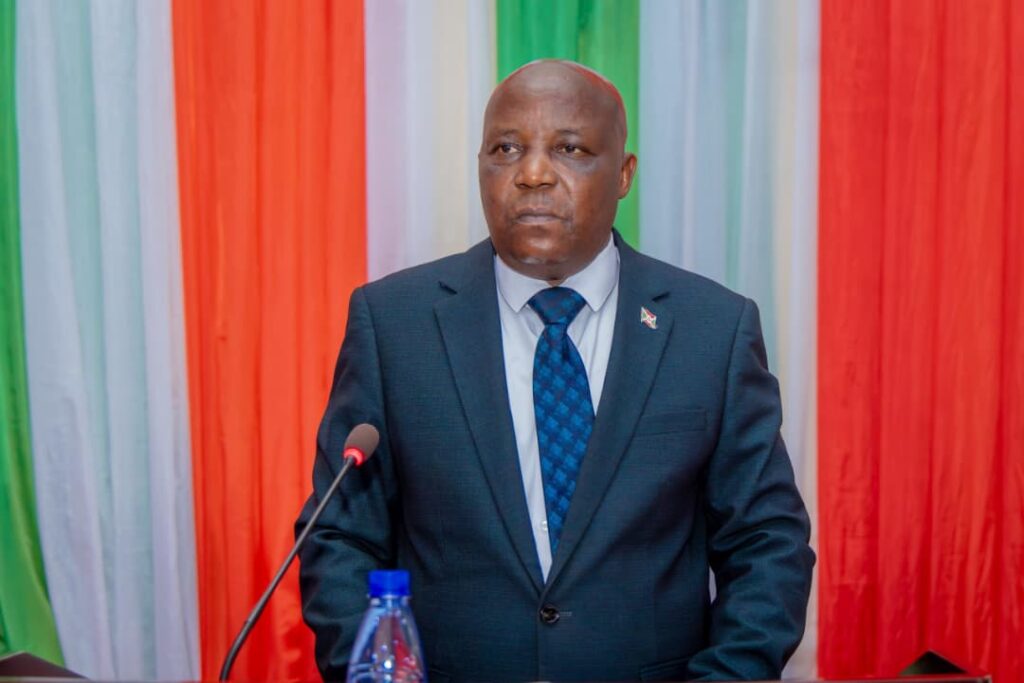
The Minister of Interior, Léonidas Ndaruzaniye, was the guest of the Senate on Tuesday, May 5, 2026, to address the legislative body and discuss the nation's decentralization efforts. Ndaruzaniye informed senators that the decentralization process within Burundi is evolving in a generally satisfactory manner overall, despite various challenges. His appearance before the legislative body provided a key update on the government's ongoing initiatives to devolve power and responsibilities to local administrations, aiming to bring governance closer to the citizens. The Minister's presence showed the government's commitment to transparency and accountability in implementing these significant reforms.
Decentralization Progress and Hurdles
The plenary session, where Minister Ndaruzaniye presented his full report, was led by the President of the Senate, Gervais Ndirakobuca. President Ndirakobuca presided over the discussions, which covered a wide range of topics related to the implementation and impact of decentralization. During the extensive discussion that followed the Minister's presentation, several challenges affecting the decentralization process were thoroughly addressed by both the Minister and the senators.
One of the primary difficulties in the implementation phase, as noted by Minister Ndaruzaniye, is largely linked to the fact that the Programme Technique et Budgétaire Annuel (PTBA) for 2025-2026 was elaborated before the new administrative structure was fully established. This sequencing issue has created considerable complications in aligning budgetary allocations and technical plans with the revised local governance framework, leading to inefficiencies and requiring adjustments. The Minister acknowledged that this temporal misalignment presented a significant hurdle that the government is actively working to overcome.
Regarding specific administrative responsibilities and the division of labor within the new decentralized framework, the management of traffic lights falls under the distinct purview of the Agence des routes du Burundi (ARB). This specific detail was clarified as part of the broader discussion on the division of responsibilities among different government entities and agencies in the context of decentralization, ensuring clarity on which body is accountable for particular public services. The Minister's presentation aimed to provide a full overview of both the achievements made thus far and the obstacles encountered in the ongoing reform process, offering a balanced perspective to the senators.
Addressing Public Safety Concerns
During the session, senators raised pertinent questions regarding the imposition of sanctions for violations of hygiene and public sanitation rules, reflecting a growing concern for public health and environmental standards. They also expressed significant concern over the unauthorized exits of Congolese refugees from designated camps and their subsequent integration with the local population, noting potential security and social challenges.
In response to these critical inquiries, Minister Léonidas Ndaruzaniye affirmed that extensive awareness campaigns concerning hygiene and sanitation regulations have been broadly disseminated across national media platforms, including radio, television, and print, to educate the public and encourage compliance. Regarding the movement of refugees, Minister Ndaruzaniye explained that these movements are primarily linked to the search for firewood, a basic necessity, which often compels refugees to venture outside camp boundaries. He assured the senators that the situation is presently under control, with measures being implemented to manage and monitor these movements effectively. Additionally, discussions touched upon technical aspects of infrastructure, where the Minister stated that radars, key for various operations, require technical updates, which often necessitate collaboration with specialized suppliers to ensure their optimal functioning and modern capabilities.
Digitalizing the Transport Sector
Senators drew particular attention to an alarming increase in road accidents across the country, frequently attributing these unfortunate incidents to a combination of factors including speeding, the poor mechanical condition of vehicles, and overloading. This rise in accidents shows an urgent need for more strong regulatory and enforcement mechanisms.
In response to these critical concerns and to modernize road safety efforts, a dedicated structure has been established for the digitalization of the transport sector. This initiative aims to leverage technology to enhance oversight and efficiency. Minister Léonidas Ndaruzaniye strongly condemned fraudulent practices by certain drivers who temporarily disembark passengers before reaching checkpoints to evade scrutiny and continue their journey with overloaded vehicles or other infractions. The Minister also confirmed that existing alcootest devices remain operational and are actively being used by law enforcement for enforcing traffic regulations and deterring drunk driving. He assured the legislative body that concrete steps are being taken to acquire new, advanced equipment specifically for controlling vehicle speed, which is expected to significantly contribute to reducing accidents caused by excessive velocity.
This full digitalization effort involves a specialized working group composed of fourteen experts drawn from various ministries, the Police de sécurité routière (PSR), and the Office burundais des recettes (OBR). This multidisciplinary group is tasked with the key responsibility of developing both innovative information technology tools and the necessary legal framework to support the transport sector's digitalization initiatives, ensuring a holistic and effective approach to improving road safety and transport efficiency. The integration of these technical and legal components is expected to create a more secure, transparent, and efficient transport system for all citizens.