Residents in Muyinga's urban center are grappling with a severe water crisis, with taps frequently running dry for extended periods in several neighborhoods. Areas including Swahili, Kinyota, and Mukoni are particularly affected by the ongoing scarcity. The lack of reliable water access has become a critical issue for the community, impacting daily life and raising significant concerns among inhabitants about public health and economic strain. In these affected areas, taps often remain dry for long periods, forcing residents to seek alternative solutions for their daily water needs.
Daily Hardship and Rising Costs
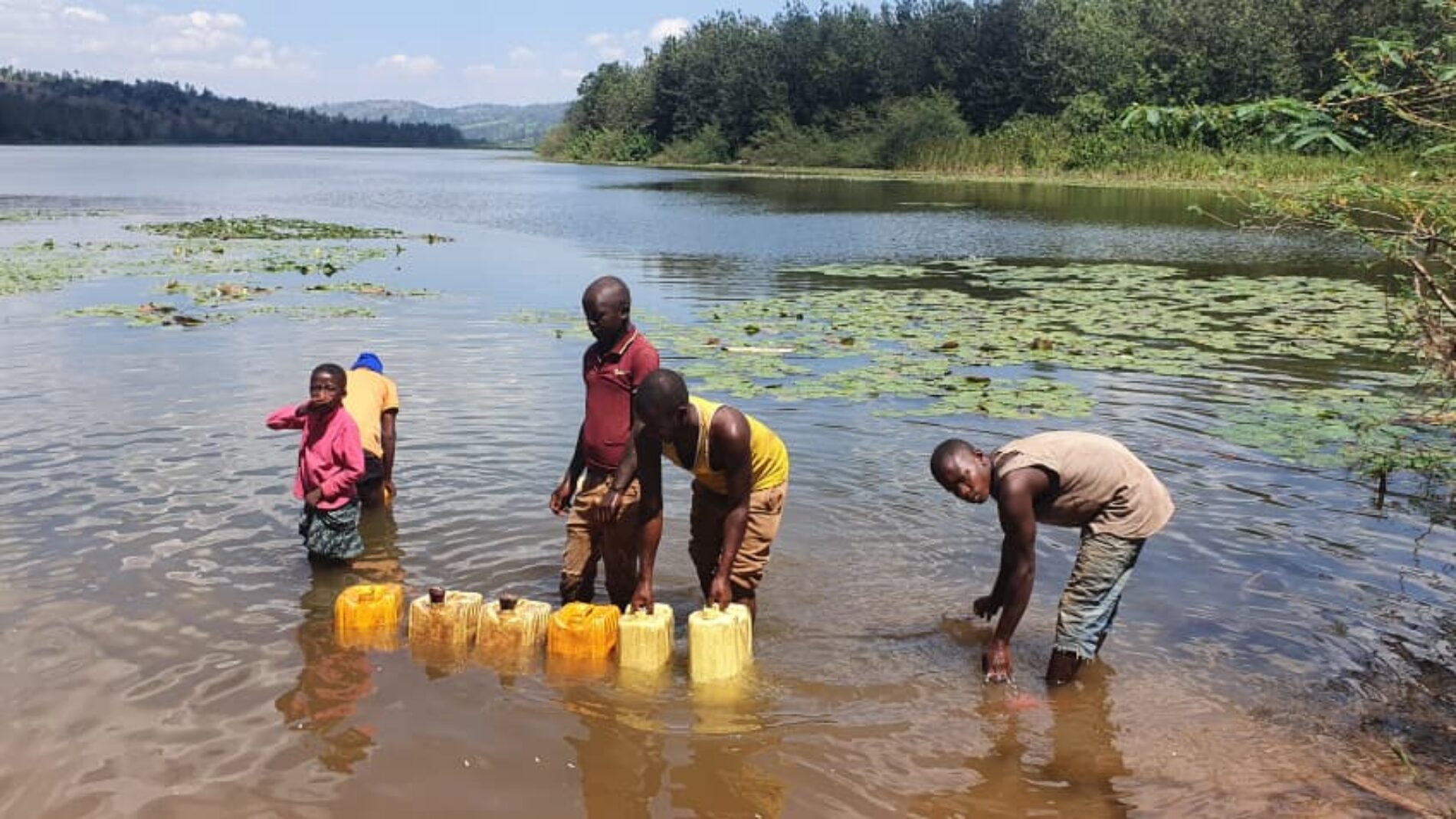
The Swahili neighborhood, which houses more than half of Muyinga's urban population according to local administration, is among the areas most severely impacted by the water scarcity. Residents in this densely populated sector, along with those in Kinyota and Mukoni, report frequent and prolonged interruptions to their water supply. The erratic availability of water forces many households to seek alternative, often costly, solutions for their daily needs. This includes purchasing water from informal vendors or traveling significant distances to find functioning water sources, adding both financial strain and logistical challenges to their daily routines. The continuous struggle to secure basic water provisions has become a defining aspect of life for a considerable portion of Muyinga's inhabitants, disrupting household chores, personal hygiene, and even cooking. The economic burden is particularly heavy on low-income families who can ill afford the inflated prices of privately sold water.
Health and Hygiene Concerns
The Lycée communal de Muyinga, situated in the Kinyota neighborhood, is experiencing concerning hygiene conditions as a direct result of the lack of water. This situation poses a significant risk to the health and well-being of students and staff within the educational institution. Without a consistent water supply, basic sanitation practices become difficult to maintain, increasing the potential for the spread of waterborne diseases. The scarcity complicates routine cleaning of facilities, hands, and food preparation areas, raising fears among the community about public health. The absence of water in such a critical public institution shows the widespread impact of the crisis beyond individual households, affecting communal spaces and essential services. Addressing this issue at the school is key for mitigating health risks and ensuring a safe learning environment for hundreds of students, whose education is already hampered by the challenging conditions.
Broader Context and Official Role
Regideso, the public company responsible for the distribution of drinking water and electricity, holds a singular and critical role in Burundi. As the sole public company tasked with these essential services, its operational efficiency directly impacts the daily lives of millions. The water crisis in Muyinga is not isolated, as residents in several other regions of Burundi also report recurrent shortages of drinking water. This broader pattern suggests systemic challenges in water provision across the country, noting the urgency for full solutions. The recurring nature of these shortages indicates a need for significant investment in infrastructure, maintenance, and distribution networks to ensure consistent access to a fundamental resource for all citizens.
Resident Appeals and Fears
The price of a 20-liter jerrycan of water has surged to 1,500 Burundian francs in Muyinga. This represents a significant increase from its previous cost of 500 to 700 francs, according to several residents. The price hike occurred before the installation of the water treatment plant in the center of Muyinga, adding to the financial burden on households seeking essential water supplies. Residents express deep frustration over the exorbitant costs, which place an immense strain on household budgets, especially for those already struggling financially. Many fear that the continued scarcity and high prices will lead to further health complications and economic hardship, exacerbating the already difficult living conditions in the urban center. The community is appealing for urgent intervention from authorities to restore consistent water access and regulate prices, emphasizing that access to clean water is a basic human right that should not be a luxury.