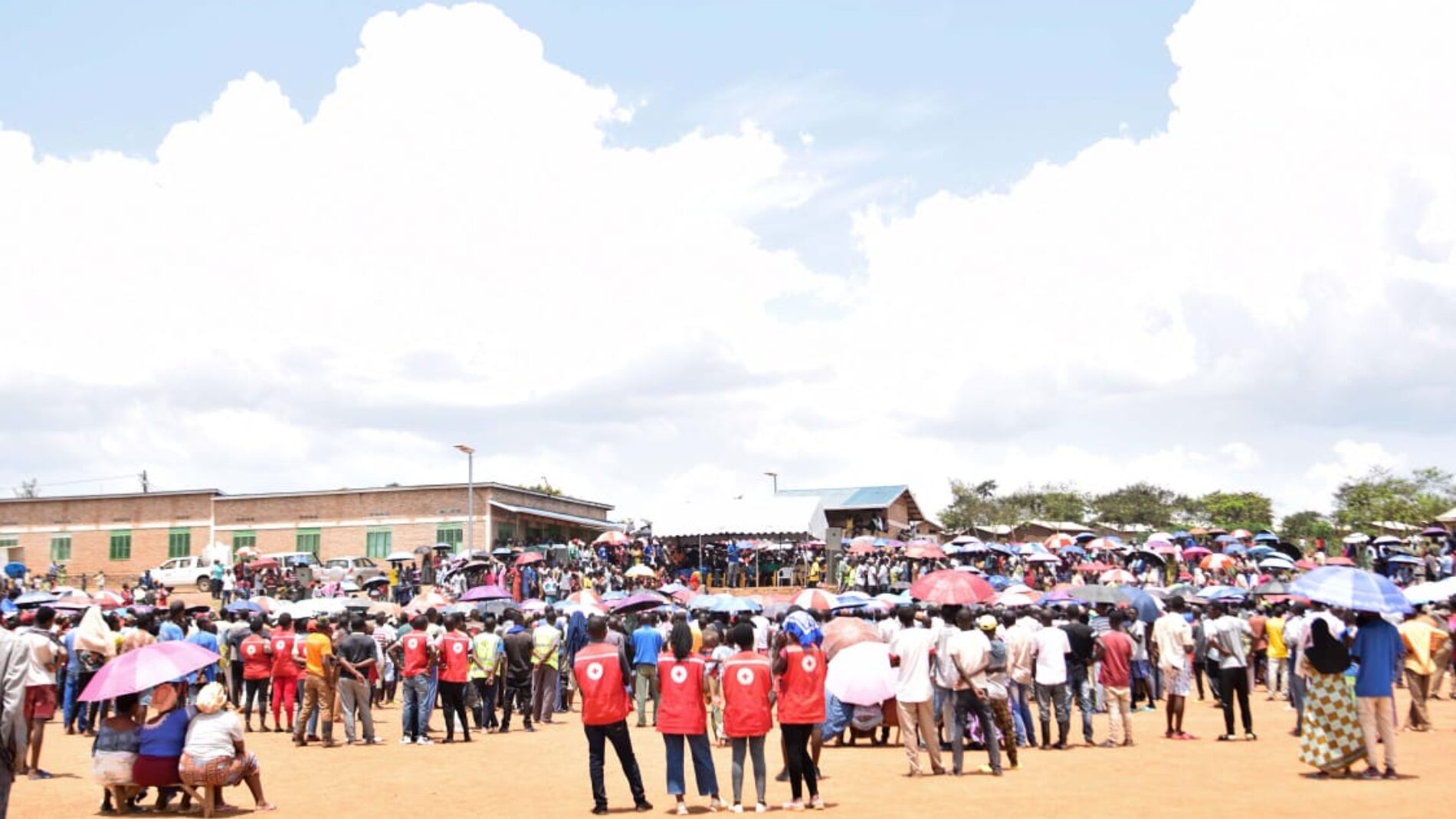
Humanitarian agencies and authorities in Rwanda, specifically those in charge of refugee management, have initiated a full evaluation of living conditions and the assistance system within refugee camps, particularly focusing on Mahama camp in eastern Rwanda. This vast evaluation aims to provide a detailed understanding of the challenges faced by refugee populations. The United Nations High Commissioner for Refugees (UNHCR), in collaboration with the World Food Programme (WFP) and the Ministry in charge of Emergency Management (MINEMA), launched this extensive assessment of the humanitarian assistance system. This review, reported on May 18, 2026, aims to scrutinize the provision of aid and the overall environment for refugees, ensuring that assistance is delivered effectively and equitably.
Evaluation Methodology and Scope
The full evaluation follows several disputes concerning the social categorization system, which was implemented over a year ago and resulted in some refugees losing all monetary and food assistance. This operation specifically addresses these grievances and seeks to refine the existing aid mechanisms. Aid agencies are conducting the assessment house by house, directly engaging with beneficiaries to gather accurate data on their living conditions and aid needs. This careful approach aims to address the shortcomings identified in previous aid distribution mechanisms, which have been strongly contested by a portion of the beneficiaries. The evaluation is being conducted with a high degree of granularity, ensuring that individual circumstances are considered. The operation is expected to last over a month, indicating the thoroughness and scale of the review. Officials hope the detailed, individual assessments will provide a clearer picture of the humanitarian situation and help refine assistance delivery to ensure it reaches those most in need within the camps. The extended timeline allows for a full understanding of the challenges faced by refugees in Mahama and other areas, moving beyond broad categorizations to individual household needs.
Context of Aid Distribution
For over a year, refugees residing in Mahama camp have been categorized into three groups based on their supposed level of vulnerability. This classification system dictates the amount of assistance each refugee household receives. The most vulnerable individuals within the camp are allocated approximately 6800 Rwandan francs each month. In contrast, those refugees assessed as less vulnerable receive half of this sum, reflecting a differentiated approach to aid distribution. This tiered system has been at the heart of the recent disputes, prompting the current review. Rwanda presently provides asylum to more than 138,000 refugees, with the majority having fled conflicts and instability in the Democratic Republic of Congo and Burundi. The review aims to scrutinize the efficacy and fairness of this long-standing aid distribution model within the broader context of the country's refugee population, ensuring that the mechanisms are responsive to the diverse needs of this significant population.
Calls for Participation and Future Vision
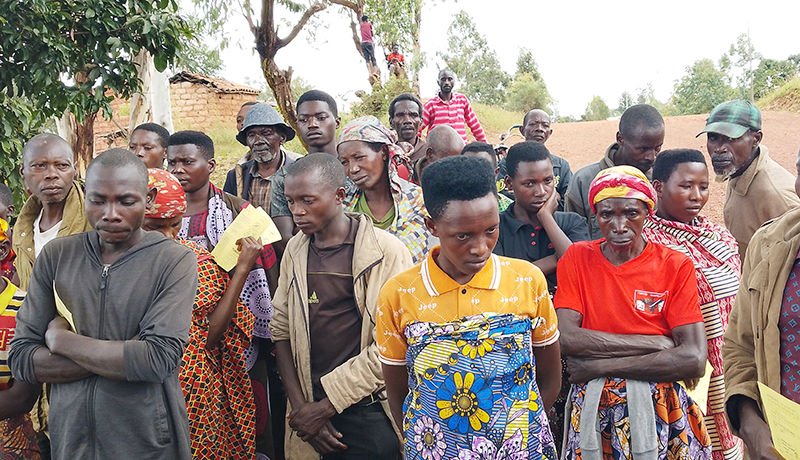
Officials from the United Nations High Commissioner for Refugees (UNHCR), the World Food Programme (WFP), and the Ministry in charge of Emergency Management (MINEMA) are calling on refugees to actively participate in the ongoing review. They assert that this exercise will benefit the affected populations by leading to more equitable and effective aid distribution. The Rwandan government, supported by its humanitarian partners, also wishes to gradually transform refugee camps into 'integrated villages'. This initiative is part of the broader 'Integrated Settlements' program, which aims to provide a more sustainable framework for refugee populations within the country, moving beyond temporary camp structures to more permanent and self-sufficient communities. This vision shows a long-term commitment to improving the lives of refugees in Rwanda.
Refugee Perspectives on Aid
The initiative seeks to revise the targeting mechanisms for food and monetary assistance, which have faced significant contestation from a segment of the beneficiaries. As part of the review, household heads are invited to answer a series of questions designed to gather full data. These questions cover their identity, current living conditions, dietary habits, housing situation, clothing provisions, any potential monthly income they may have, and their future aspirations or projects. This detailed inquiry aims to provide a granular understanding of each household's circumstances, ensuring that no critical aspect of their lives is overlooked. Refugees classified in the third category, presumed to have a monthly income, currently receive no financial aid from humanitarian organizations. This particular aspect of the categorization system has been a point of contention, with many refugees arguing that their perceived income is insufficient to cover basic needs, especially given the economic realities within the camp settings. The review is expected to thoroughly examine these assumptions and adjust aid provision accordingly to better reflect the true vulnerability and needs of all refugee groups.