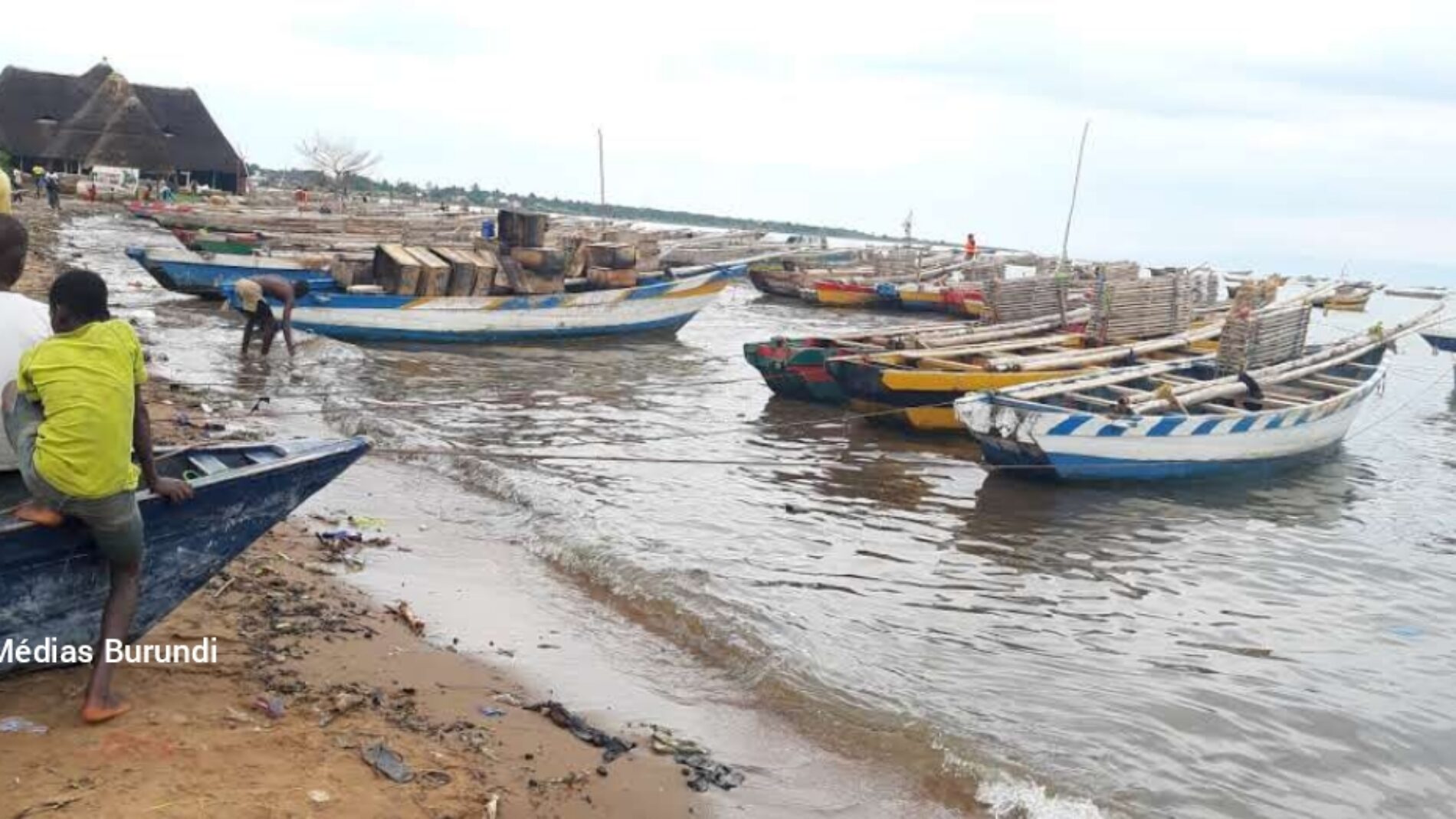
Commercial traffic between Burundi and the Democratic Republic of Congo (DRC) is experiencing a sharp slowdown at the commercial port of Rumonge, located in the Burunga province of southwestern Burundi. This disruption, observed since last week, is attributed to ongoing fighting in the Sud-Kivu region of the DRC. Congolese commercial boats have been docking significantly less frequently at the port, according to police sources present on site. The decreased maritime activity is impacting trade flows across Lake Tanganyika, a vital route for regional commerce. This situation affects a commercial route considered essential for exchanges between the two countries bordering Lake Tanganyika, noting the interconnectedness of regional stability and economic activity.
Escalating Conflict in Eastern DRC
The decline in commercial traffic follows a resurgence of fighting in eastern Democratic Republic of Congo, particularly within the Sud-Kivu province. This renewed violence has intensified concerns about regional stability and cross-border trade. Clashes in the region involve several groups, including the M23, the Twirwaneho armed group, and the Armed Forces of the Democratic Republic of Congo (FARDC). Also participating in the conflict are Wazalendo militias, the Forces démocratiques de libération du Rwanda (FDLR), and the Burundian army. The involvement of multiple armed factions, including a national army, shows the complexity and multi-faceted nature of the conflict. The ongoing hostilities have created an environment of instability that directly impacts the flow of goods and people across Lake Tanganyika.
The Congo River Alliance (AFC) and its allied groups have established a parallel administration in various areas of Nord-Kivu and Sud-Kivu, both provinces located in eastern DRC. This administrative presence indicates a broadening of the conflict's scope and impact on regional governance, further complicating efforts to restore peace and order. The establishment of these parallel structures suggests a deeper entrenchment of armed groups, posing significant challenges to the authority of the central government.
Burundian Military Presence
Reinforcements of Burundian soldiers are continuously being dispatched to the Democratic Republic of Congo (DRC) from the Karonda fishing port, situated in the Kigwena area within the commune of Rumonge. These soldiers are reportedly destined for operations in Sud-Kivu, where Burundian and Congolese forces are working to regain positions lost to various armed groups. This continuous deployment notes Burundi's direct and active role in the military operations within its neighboring country. Off the coast of Rumonge, four military boats are currently deployed to ensure the surveillance of territorial waters, emphasizing the heightened security posture in the area. This military activity shows Burundi's direct involvement in the ongoing conflict within the eastern DRC, particularly in the Sud-Kivu province. The continuous movement of troops and naval assets notes the strategic importance of the Lake Tanganyika region for military operations, serving as both a supply route and a defensive frontier.
Merchant Concerns and Economic Impact
The decrease in the number of boats arriving from Congolese ports has disrupted economic activities and caused concern among merchants reliant on trade across Lake Tanganyika. This disruption has been observed for several days, leading to growing apprehension within the business community. Several Burundian merchants have stated they temporarily suspended their trips to the Democratic Republic of Congo (DRC), citing fears for their personal safety and the security of their goods. This self-imposed halt in commercial travel reflects the tangible risks perceived by traders operating in the conflict-affected region. The loss of regular commercial voyages has immediate economic consequences for both individual merchants and the wider regional economy.
The situation has led to uncertainty regarding cross-border commerce, with many traders adopting a wait-and-see approach. No Burundian authority has officially communicated on the consequences of this situation on commercial exchanges at the port of Rumonge, leaving traders to contend with the impact without official guidance or assessment. This lack of official communication exacerbates the challenges faced by merchants, who are left to navigate the volatile situation with limited information or support. The ongoing conflict in Sud-Kivu continues to affect the vital trade routes, prompting merchants to re-evaluate their operations in the region and consider the long-term viability of their businesses.
Strategic Route Under Threat
The ongoing security situation directly impacts a commercial route considered essential for trade between Burundi and the Democratic Republic of Congo, both of which border Lake Tanganyika. Economic operators in Rumonge fear that the continuation of fighting in Sud-Kivu will further compromise commercial exchanges on Lake Tanganyika. This body of water serves as a strategic communication route for the populations and economies of both nations, making its disruption a significant threat to regional commerce and the livelihoods of countless individuals. The sustained instability in Sud-Kivu therefore has broad implications beyond the immediate conflict zones, affecting critical economic arteries and regional development.