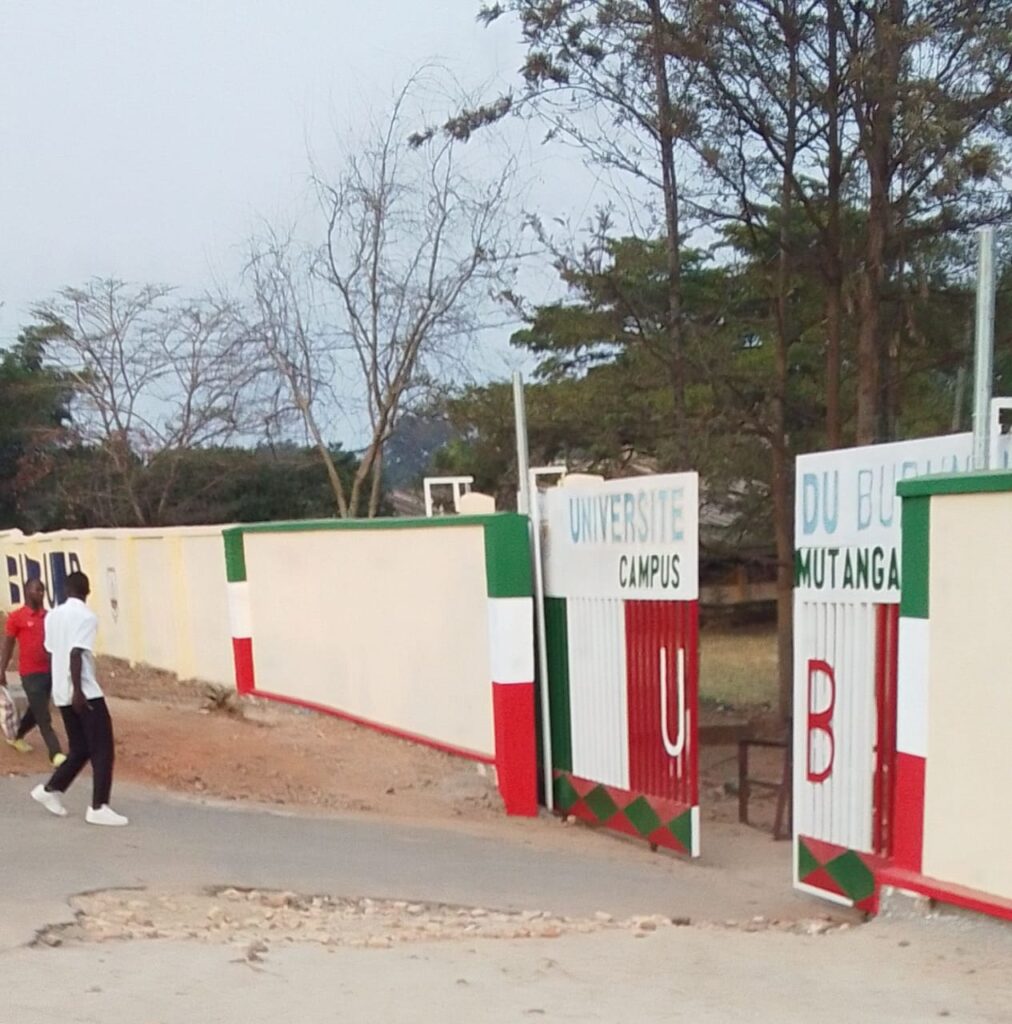
The Government of Burundi has decided to relaunch the student meal program at the University of Burundi, according to an announcement made on July 13, 2026. This significant decision marks a concerted effort to reinstate vital services for students attending the national institution. The government's initiative to revive the restoration program at the University of Burundi is seen as a direct response to the challenges students have faced in accessing affordable and nutritious meals. This measure is expected to have a broad positive impact on the student body, addressing both their financial well-being and academic performance.
Student Relief and Academic Boost
The reintroduction of the meal program is expected to alleviate financial burdens for students and improve their academic focus. Boris Niyonzima, a second-year student, stated the program's return would foster better conditions for study. He noted that students often faced challenges securing regular meals, which significantly impacted their academic performance and overall well-being. The provision of meals on campus is anticipated to free up time and resources that students previously spent on food procurement, allowing them to dedicate more attention to their studies. This direct support is key for students grappling with the daily costs of living while pursuing higher education.
Patrick Nzinahora, a second-year master's student in Political Science, echoed these sentiments, emphasizing the positive impact on student welfare. He noted that many students come from diverse socio-economic backgrounds and often struggle with daily expenses, including food. Nzinahora indicated that a consistent meal program would provide a much-needed support system, contributing to a more stable and conducive learning environment at Université du Burundi. The availability of subsidized meals on campus ensures that students do not have to choose between attending classes and finding their next meal, thereby removing a significant barrier to academic success.
Budgetary Allocation and Hopes
The relaunch of the student meal program is integrated into the 2026-2027 budget, which specifically allocates funds for the restoration of the university restaurant. This budgetary inclusion signifies a deliberate step by the Government of Burundi to reinstate essential services for students at Université du Burundi. The provision of dedicated funds aims to ensure the sustainability of the program and facilitate the necessary infrastructure improvements to support meal distribution. This financial commitment is expected to address critical student welfare concerns, fostering a more stable environment for academic pursuits. The allocation shows the government's intent to support the national institution's student body through direct assistance for daily sustenance, recognizing the fundamental link between student well-being and academic achievement. The full budget plan for 2026-2027 ensures that the program has a solid financial foundation for its long-term operation.
Student and Alumni Perspectives
Aline Nikuze, a student in the Faculty of Economic Sciences, expressed optimism regarding the program's return. The reintroduction of subsidized meals is anticipated to ease financial burdens for students, allowing them to concentrate more fully on their academic pursuits. For many, the daily cost of food has been a significant challenge, often impacting their ability to attend classes regularly or afford necessary study materials. Nikuze noted that this initiative would not only provide nourishment but also reduce the mental stress associated with food insecurity, enabling students to focus on their studies with greater peace of mind.
Chadrack Niragira, a former university student, recalled the previous difficulties students faced without a strong meal program. He noted that the lack of affordable and accessible food options often led to students experiencing hunger, which in turn affected their overall well-being and academic performance. Niragira indicated the relaunch would restore a vital support system that positively influences student life and educational outcomes at the university. His perspective as an alumnus provides valuable insight into the historical challenges and the potential transformative impact of this reintroduction.