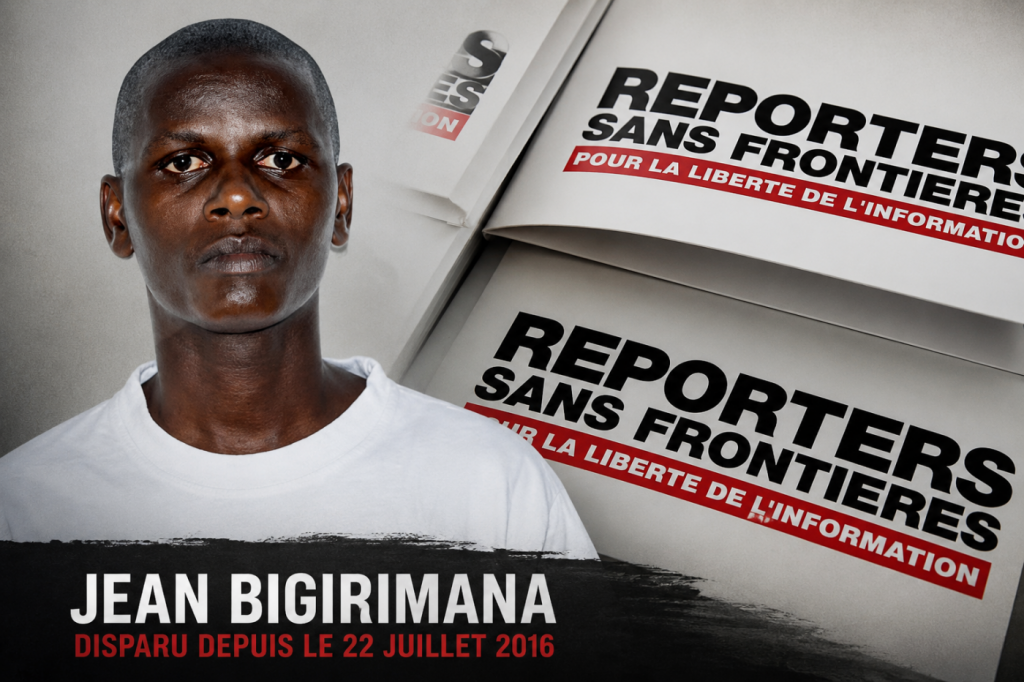
Journalist Jean Bigirimana, working for the news outlet Iwacu, disappeared on July 22, 2016, in Burundi and has now been missing for 10 years. Bigirimana was 37 years old at the time of his disappearance. The investigation into his whereabouts has provided no answers to establish the truth of what happened to him. Reporters Without Borders (RSF) denounces this persistent impunity concerning Bigirimana's case. RSF calls on authorities to break their silence and shed light on the journalist's fate. The organization emphasizes that the continuous lack of progress in resolving the disappearance notes a critical failure in the Burundian justice system to protect journalists and uphold the rule of law.
Details of the Disappearance
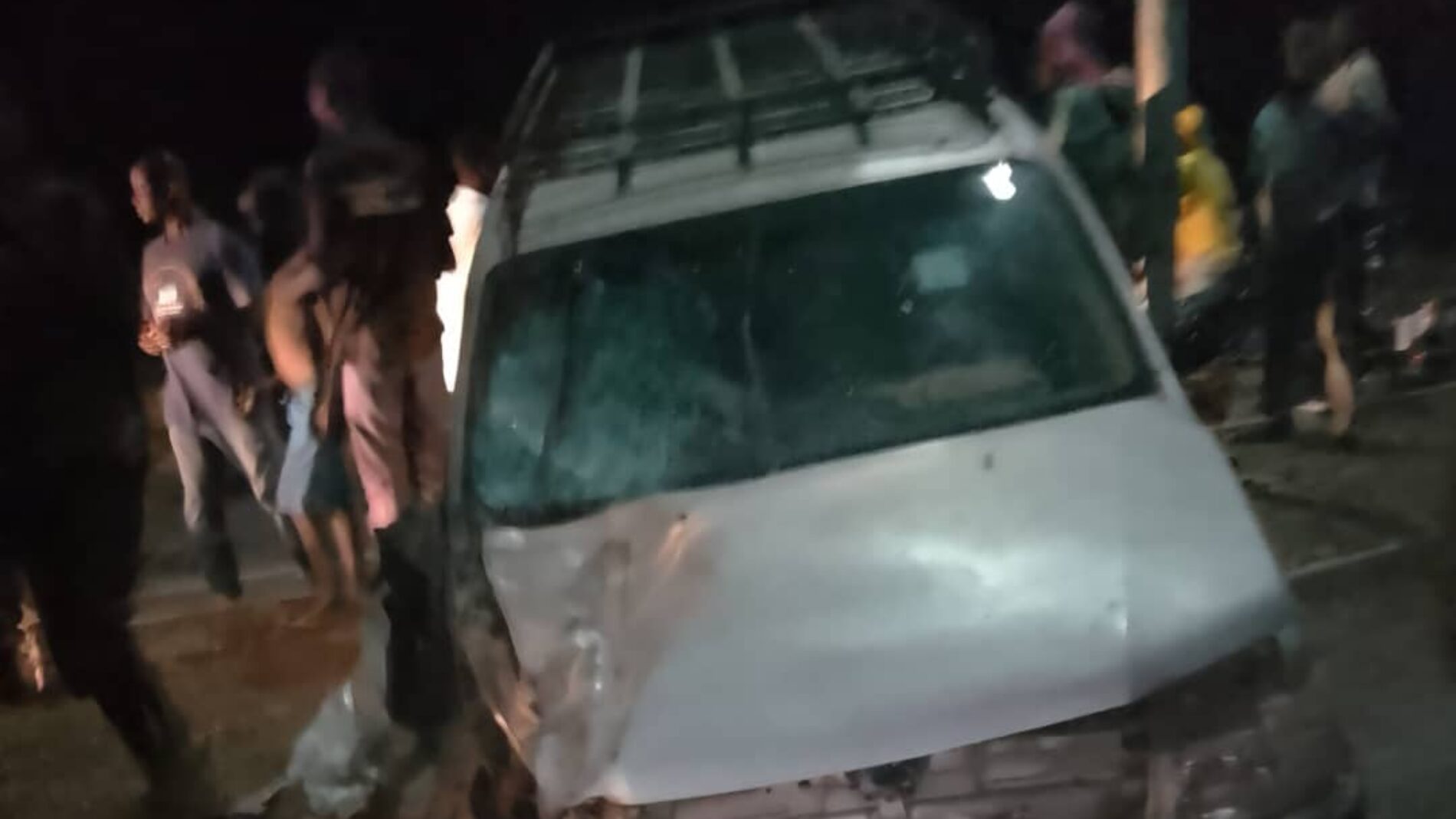
Jean Bigirimana was traveling to Muramvya for a professional meeting when he disappeared. His journey was intended for work-related purposes, showing his active role as a journalist at the time. Witnesses reported that agents of the National Intelligence Service (SNR) forced him into a pick-up truck. This account from eyewitnesses provides a key detail regarding the circumstances of his apprehension, pointing directly to state agents. Before his disappearance, Bigirimana had received threats and was told he was aligned with the opposition. These threats suggest a potential motive related to his journalistic work or perceived political affiliations, creating a climate of fear for independent media professionals. The allegations of his alignment with the opposition could have placed him in a vulnerable position, leading to the events that unfolded.
Weeks after his disappearance, two bodies in poor condition were recovered from a river. The discovery of these bodies raised immediate concerns about their potential connection to Bigirimana's case. Those bodies were subsequently buried without DNA testing or any expert analysis to establish their identities. This critical omission in the investigative process has left a significant void in the search for answers, preventing any definitive conclusions about the identities of the deceased and their possible link to the missing journalist. The failure to conduct proper forensic examination at that key juncture has been a major point of criticism from human rights and press freedom organizations.
Iwacu, the news outlet Bigirimana worked for, filed a complaint against X in August 2016 regarding the incident. This formal complaint initiated a legal process, yet its effectiveness has been severely hampered. However, police did not interview the journalist's colleagues or the eyewitnesses who saw the arrest. The lack of engagement with key witnesses and individuals who could provide vital information has stalled the investigation from its early stages. This inaction by law enforcement has been interpreted by many as a deliberate effort to impede the search for truth rather than facilitate it. Jean Bigirimana began his journalism career in 2010 at the private radio station Rema FM. His professional background notes his dedication to independent reporting, which may have contributed to the threats he faced. It is believed that agents of the general intelligence services were likely responsible for his arrest, a claim that aligns with witness accounts and the pattern of harassment against journalists in Burundi. This suspicion further implicates state actors in his disappearance, raising serious questions about accountability and justice.
Stalled Investigations and Official Silence
Reporters Without Borders (RSF) made repeated attempts to contact key judicial figures in Burundi regarding the disappearance of Jean Bigirimana, but these efforts proved unsuccessful. RSF tried to reach the Prosecutor General, the President of the Supreme Court, and the spokesperson for the Supreme Court without receiving any response or engagement on the matter. These attempts show a broader lack of transparency and official communication surrounding the journalist's case, which has remained unresolved for a decade. The consistent silence from these high-ranking judicial officials has fueled concerns that there is a deliberate stonewalling of the investigation, rather than a genuine effort to uncover the truth. The organization's outreach notes the international community's persistent demand for answers and accountability in this high-profile case.
The absence of official statements or progress updates from these judicial bodies has contributed to the perception of impunity in Bigirimana's disappearance. This perception is further exacerbated by the lack of any public acknowledgment of the ongoing investigation or any steps being taken to address the eyewitness testimonies and other critical leads. The continued silence effectively creates an environment where those responsible for the disappearance may believe they can act without fear of reprisal. This lack of official engagement contrasts sharply with the urgent need for a thorough and transparent inquiry, leaving Bigirimana's family and colleagues without closure.
Despite the ongoing lack of resolution in cases such as Bigirimana's, Burundian President Évariste Ndayishimiye publicly affirmed the importance of justice in the country. In July 2023, President Ndayishimiye stated, "We cannot live in a country where there is no justice." This declaration from the head of state notes an official recognition of the need for a functioning justice system. His statement, delivered at a time when questions about judicial independence and accountability are critical, was intended to project an image of a government committed to the rule of law. However, the statement contrasts with the continued silence and stalled investigations concerning Jean Bigirimana's fate, which has been a point of contention for international press freedom organizations. The disparity between presidential pronouncements on justice and the practical progress in specific cases like Bigirimana's remains a concern for those advocating for accountability in Burundi. Critics argue that such statements ring hollow when concrete actions to resolve prominent cases of injustice, particularly those involving journalists, are conspicuously absent. The gap between rhetoric and reality continues to undermine trust in the Burundian justice system.
Broader Context of Press Freedom
The disappearance of Jean Bigirimana is part of a broader pattern of challenges to press freedom in Burundi, particularly affecting his employer, Iwacu. The independent news outlet has consistently faced pressure and obstacles in its reporting, making Bigirimana's case emblematic of a wider struggle for media autonomy in the country. In 2019, four Iwacu reporters were arrested while covering an incursion by an armed group. This incident demonstrated the significant risks journalists face when reporting on sensitive security matters. Those journalists subsequently spent 430 days in detention. Their prolonged imprisonment, stretching over a year, noted the severe consequences of independent reporting in Burundi and the government's willingness to use legal mechanisms to silence critical voices. Their arrest and prolonged imprisonment showed the risks faced by independent media professionals reporting on sensitive issues within the country, sending a chilling message to other journalists.
Beyond individual arrests, the digital presence of Iwacu has also faced significant hurdles. The Iwacu website was blocked within Burundi for an extended period, from 2017 until 2022. This blockage effectively cut off a significant channel for independent news dissemination to the Burundian public for five years, limiting access to information from one of the country's prominent independent news outlets. Such restrictions on digital platforms further complicate the operational environment for journalists and news organizations seeking to report freely, forcing them to find alternative, often less effective, ways to reach their audience. The digital blockade not only hindered Iwacu's operations but also deprived citizens of access to diverse perspectives and critical reporting, further narrowing the space for public discourse.
The overall state of press freedom in Burundi is reflected in international assessments. Reporters Without Borders (RSF) ranks Burundi 119th out of 180 countries and territories in its 2026 World Press Freedom Index. This ranking indicates a challenging environment for journalists, characterized by various pressures and restrictions that hinder independent reporting and media operations. The position on the index suggests a systemic issue where the rights and safety of journalists are frequently compromised, contributing to a climate of self-censorship and limited public discourse. The consistent low ranking shows that the problems faced by journalists like Jean Bigirimana are not isolated incidents but rather symptoms of a broader, entrenched system that suppresses media freedom. This environment makes it exceedingly difficult for journalists to carry out their duties without fear of reprisal, impacting the quality and independence of news available to the Burundian public. The international community continues to monitor the situation, urging Burundian authorities to uphold their commitments to press freedom and ensure the safety of all journalists.