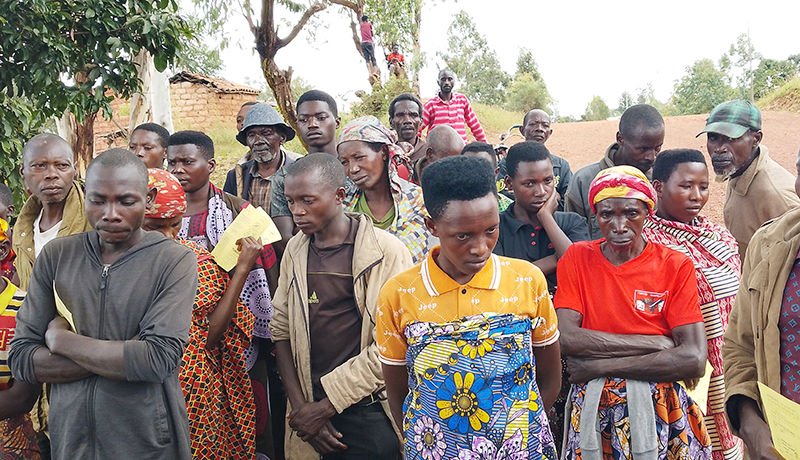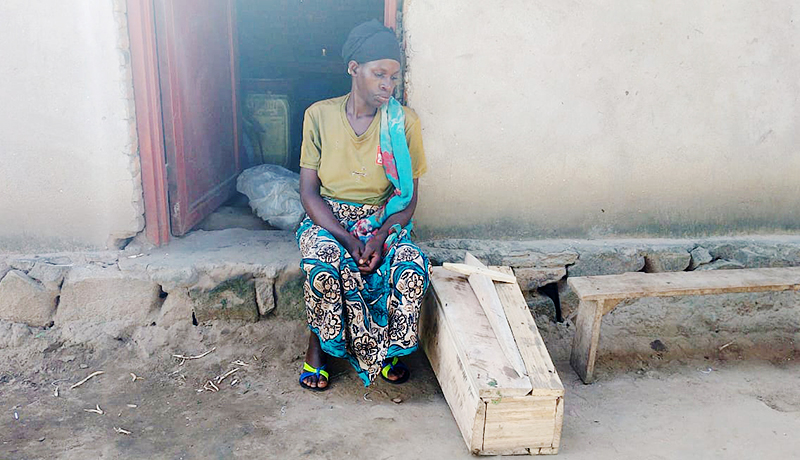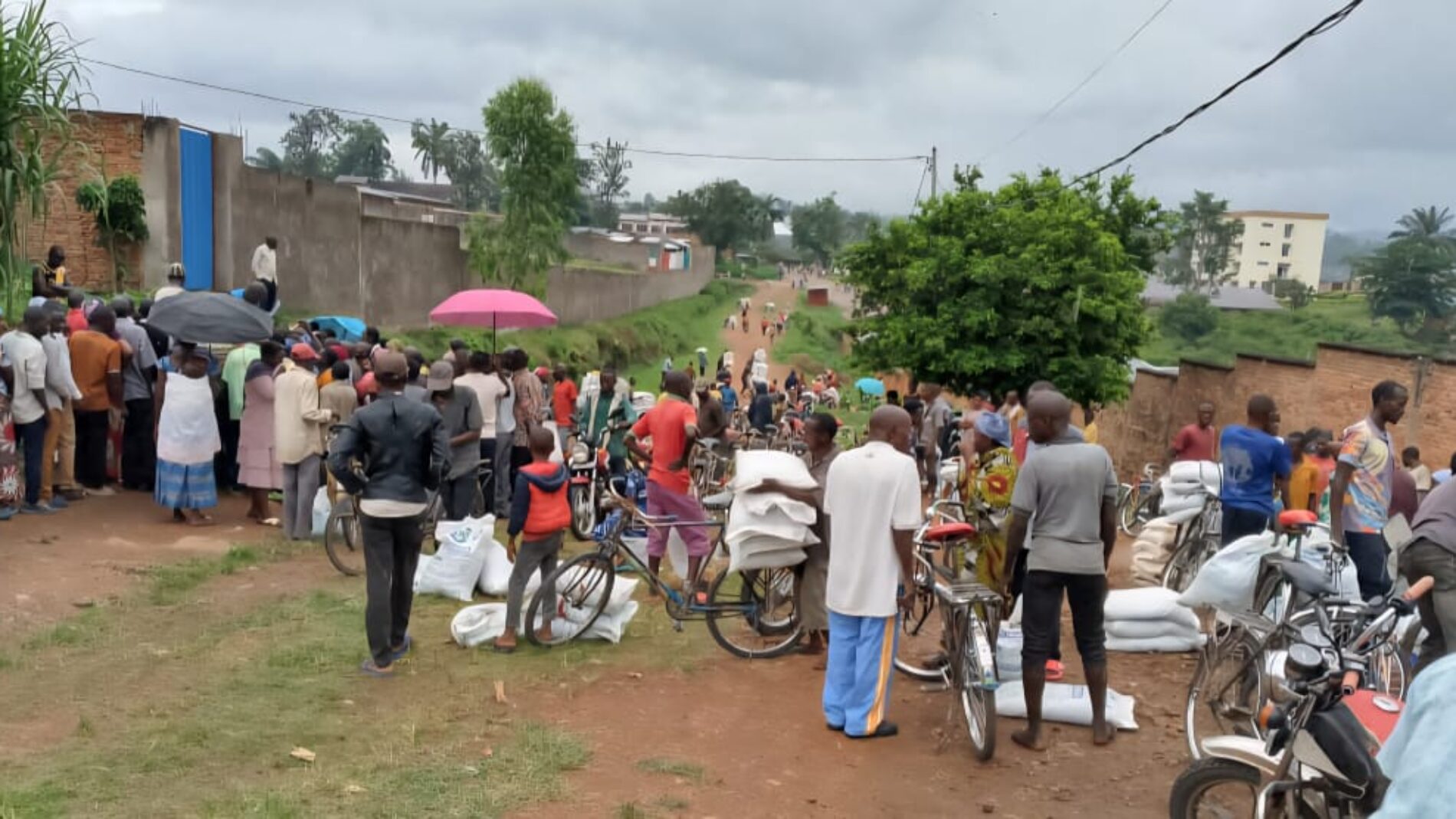
Farmers in Bubanza commune, located in western Burundi's Bujumbura province, are reporting a persistent shortage of urea chemical fertilizer as cultural season C approaches next month. This critical period for agricultural production notes the severity of the supply issues. Farmers in the commune of Bubanza, specifically, are denouncing this persistent shortage of urea chemical fertilizer, which is vital for their crops. No urea fertilizer has been distributed in the commune so far, impacting essential crops like rice that require it for satisfactory production. Without adequate urea, farmers anticipate significantly reduced yields, directly threatening their food security and livelihoods. A 50-kilogram bag of urea is currently selling for around 250,000 Burundian francs on the black market, a price point that is significantly higher than its usual cost, which does not exceed 66,000 Burundian francs. This exorbitant price makes it largely inaccessible for the majority of smallholder farmers.
Fertilizer Distribution Failures
Only Imbura (DAP) type fertilizers were distributed for agricultural season A, according to reports from farmers. This distribution did not include the urea required for various crops, leaving many fields without the necessary nutrients. Farmers in other regions of Burundi also report experiencing significant delays in fertilizer deliveries. They face reduced quantities of available fertilizer and are often required to wait for new arrivals without receiving a clear schedule for when these supplies might become available. These issues compound the challenges faced by agricultural producers across the country as they prepare for upcoming planting seasons, casting a shadow of uncertainty over their harvests. The lack of clarity and consistent supply planning has left farmers in a precarious position, unable to properly plan their agricultural activities.
The consequences of these distribution failures are broad. Farmers rely on timely access to fertilizers to maximize their yields, and the current situation jeopardizes the success of entire agricultural seasons. The absence of urea, specifically, is a major concern for crops like rice, which are staple foods and key for the local economy. The delays and reduced quantities directly translate into lower productivity, potentially leading to food shortages and increased financial strain on farming communities. The persistent shortage of urea chemical fertilizer is a critical issue that threatens the agricultural output of the entire region.
Soaring Black Market Prices
The current black market price of 250,000 Burundian francs for a 50-kilogram bag of urea is already a significant burden on farmers. However, some estimates indicate the price of urea could increase even further, potentially rising to 350,000 Burundian francs if no deliveries are made for agricultural seasons A and B. This projected increase shows the escalating crisis and the desperation of farmers to secure essential inputs. Amid concerns about fertilizer availability, Minister Calinie Mbarushimana has encouraged citizens to construct compost bins to produce natural fertilizers. This initiative is part of a broader effort to address the agricultural sector's needs and reduce reliance on imported chemical fertilizers.
A national campaign for setting up compost bins is scheduled to run from May 17 to May 31 across Burundi. The campaign aims to promote self-sufficiency in fertilizer production among farmers, reducing reliance on chemical imports and offering a sustainable alternative. The Minister's call comes as black market prices for essential fertilizers continue to climb, adding immense pressure on farmers preparing for future planting cycles. The projected price increase for urea shows the severity of the supply chain challenges facing the country's agricultural producers and notes the urgent need for alternative solutions. This push for organic fertilizers is seen as a long-term strategy to mitigate the impact of fluctuating global fertilizer markets and domestic supply chain issues.
Government Response and Farmer Despair
Farmers in Burundi report having already paid for fertilizer benefits during cultural seasons A and B. Despite these upfront payments, the promised fertilizer supplies have not materialized. The period for fertilizing fields has since passed for these seasons, leaving crops unfertilized and farmers deeply concerned about potential yield losses. This situation has led to widespread frustration among the agricultural community, who feel their investments have not been honored. The non-delivery of essential inputs after payment has eroded trust and created significant financial hardship for many farming families.
On May 13, 2026, the Ministry of Agriculture published a press release addressing the ongoing concerns. The Ministry's statement acknowledged delays in fertilizer distribution but did not provide specific timelines for when farmers could expect to receive their paid-for supplies. This lack of concrete information has done little to alleviate the anxieties of farmers. Farmers across various regions have expressed profound frustration, emphasizing that the lack of timely fertilizer delivery directly impacts their ability to cultivate crops effectively and threatens their livelihoods. The passing of the optimal fertilization window means that even if fertilizer were to arrive now, its benefit to the current season's crops would be significantly diminished, if not entirely lost. This effectively renders the payments made by farmers for seasons A and B as a loss, further exacerbating their economic woes and contributing to a sense of despair among the agricultural population. The persistent shortage and distribution failures present a formidable challenge to Burundi's food security and economic stability.