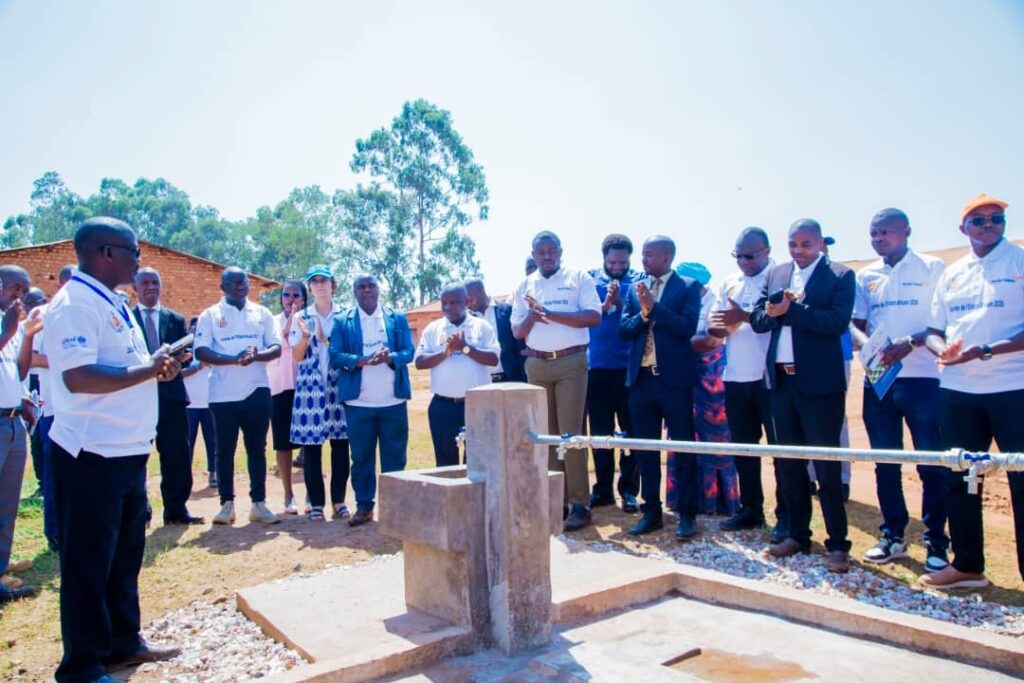
In Commune Shombo, Gitega province, projects have been realized for the improvement of access to potable water, hygiene, and sanitation. These initiatives aim to meet the essential needs of the local populations and sustainably improve their living conditions. The works are part of broader efforts to address critical infrastructure gaps within the community, ensuring long-term benefits for its residents. The successful realization of these projects marks a significant step forward in community development.
Specific Interventions Implemented
The projects in Commune Shombo have focused on several key infrastructural improvements. These full initiatives encompass the rehabilitation and construction of developed springs, alongside the rehabilitation of AEP (potable water adductions) systems. These efforts are key for ensuring a consistent and clean supply of water to the community. Additionally, the scope of work includes the construction and rehabilitation of latrines in specific schools within the commune, directly addressing sanitation challenges in educational settings. These projects, which include the rehabilitation and construction of developed springs, the rehabilitation of AEP (potable water adductions), and the construction and rehabilitation of latrines in certain schools, represent a multi-faceted approach to improving public health and well-being.
In the educational sector, dedicated actions have been implemented to improve sanitation facilities. This has involved the construction or rehabilitation of latrines in some schools across Commune Shombo, contributing significantly to better hygiene conditions for students and staff. These targeted interventions in schools are designed to foster healthier environments where children can learn and thrive without the risk of waterborne diseases. The provision of adequate and functional latrines is a fundamental component of creating a safe and conducive learning atmosphere. The interventions aim to provide sustainable access to essential water and sanitation infrastructure, thereby supporting the overall development of the commune.
Goals and Broader Impact
These infrastructures contribute to creating a healthier, safer, and more conducive learning environment for students in Commune Shombo. The improvements in water access and sanitation facilities are designed to reduce waterborne diseases, improve public health outcomes, and enhance overall community well-being. By providing reliable access to clean water, the projects alleviate the burden, particularly on women and children, who often travel long distances to fetch water, freeing up time for education and other productive activities. This reallocation of time can lead to increased school attendance and greater economic participation. The focus on school sanitation also aims to promote better hygiene practices from a young age, fostering a culture of health within the community that can extend beyond the school gates into households. These initiatives are expected to have a lasting positive impact on the quality of life and educational attainment in the region, laying the groundwork for sustainable development. The interventions are specifically designed to meet the essential needs of the populations and sustainably improve their living conditions, ensuring that the benefits are felt for generations to come.
Official Statement on Progress
Achille Bizindavyi, advisor in charge of communication, confirmed the progress on Thursday, July 09, 2026. Speaking during an interview with the newspaper 'Le Renouveau du Burundi', Mr. Bizindavyi stated that the facilities enable residents to access cleaner and more readily available water. He emphasized the broader impact of these efforts, remarking, "Access to quality potable water, combined with better sanitation conditions, is an essential lever for local development and improving the daily lives of communities." Bizindavyi's statement notes the integral role of these projects in fostering community well-being and driving local development initiatives within Commune Shombo. He made this known on Thursday, July 09, 2026, during an interview with the newspaper 'Le Renouveau du Burundi', providing an official endorsement of the successful implementation and anticipated positive outcomes of these vital projects.