Water shortages currently affect more than 1,800 students at the Lycée Technique Christ-Roi de Mushasha and the Lycée Gitega. The Lycée Technique Christ-Roi de Mushasha houses over 1,000 students, while the Lycée Gitega accommodates more than 800. These institutions are currently grappling with severe logistical challenges due to the lack of a reliable water supply, which has disrupted the daily routines of the entire student body.
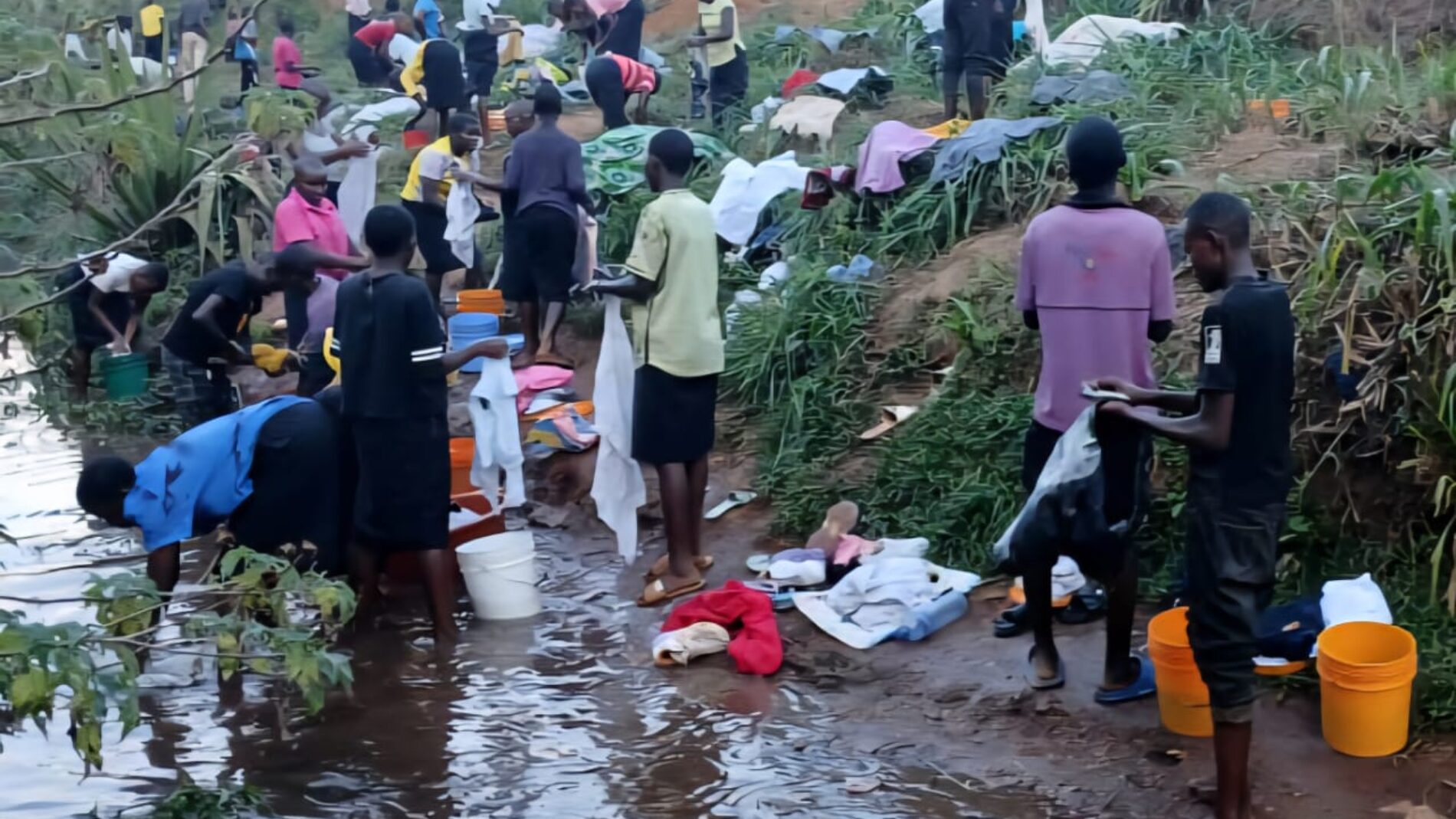
Générose Kanyamuneza, an 18-year-old student at Lycée Technique Christ-Roi de Mushasha, stated, "On ne trouve plus le temps de réviser la matière apprise en classe. Par exemple, l’étude de 15 heures a été supprimée parce qu’on doit aller puiser de l’eau dans les sources aménagées situées aux alentours de la ville de Gitega." She added, "Cela a des conséquences sur nos résultats scolaires, au point que nous échouons lamentablement aux interrogations." The necessity of traveling to external water sources has shifted the focus of students away from their academic responsibilities and toward the basic requirement of securing water for their daily needs.
Joëlla Iradukunda, 16, noted, "Il est difficile de trouver de l’eau pour effectuer les travaux de propreté." The absence of water makes maintaining sanitary conditions within the boarding school facilities an increasingly difficult task for the students living on campus.
Academic Disruptions and Student Struggles
Water supply reliability at the Lycée Technique Christ-Roi de Mushasha remains inconsistent, with the institution frequently experiencing extended periods without running water. Records indicate that the facility can go more than two weeks without water flowing through its pipes. During these intervals, the school’s internal infrastructure remains dry, forcing students to seek alternative arrangements to meet their hygiene and hydration requirements.
Lithious Nimbona, a representative of REGIDESO, attributed these frequent water distribution interruptions to ongoing power cuts affecting the regional utility infrastructure. These electrical failures directly impede the pumping and delivery systems required to maintain consistent water access for the school population. According to Lithious Nimbona, the dependency of the water network on a stable electricity supply means that when the power grid experiences disruptions, the ability to distribute water to the schools is immediately compromised.
The cumulative effect of these interruptions has created a persistent crisis for the administration and the students. At the Lycée Gitega, which houses over 800 students, the scarcity of water has forced staff to re-evaluate the scheduling of daily activities to accommodate the time-consuming process of fetching water from outside the school grounds. As the situation persists, the reliance on external water sources continues to strain the capacity of the students to focus on their studies. The ongoing nature of these interruptions, as identified by Lithious Nimbona, suggests that until the power supply issues are resolved, the water distribution challenges will remain a significant obstacle for both the Lycée Technique Christ-Roi de Mushasha and the Lycée Gitega.