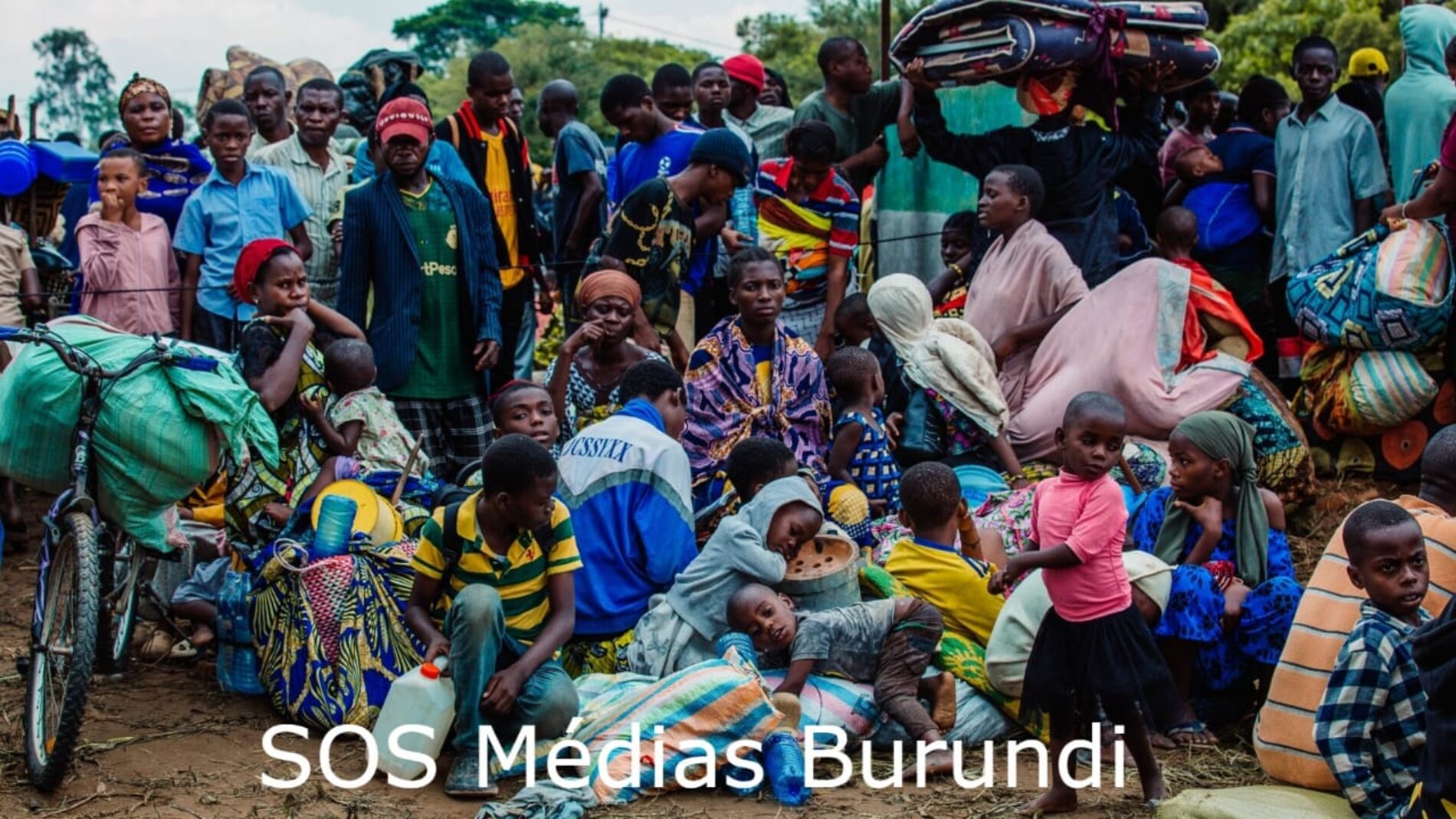
The World Food Programme (WFP) has announced significant aid cuts that will impact nearly 150,000 Congolese refugees living in Burundi. Starting in August 2026, these beneficiaries will receive only 40% of their usual food ration. The reduction threatens the food security of this vulnerable population in Burundi, raising serious concerns among humanitarian organizations and the refugees themselves.
Funding Shortfall Triggers Aid Reduction
The World Food Programme (WFP) has announced a significant reduction in its food assistance to Congolese refugees in Burundi. This decision follows a substantial drop in funding reported by the WFP since the second quarter of 2026. The financial constraints have made it increasingly difficult for the organization to maintain its current levels of support. The aid reduction is expected to affect nearly 150,000 refugees, who will now receive only 40% of their standard food ration starting in August 2026. This drastic cut is a direct consequence of the insufficient funding that the WFP has experienced, forcing it to make difficult choices regarding its humanitarian operations in the region. The organization has consistently noted the critical nature of sustained donor contributions to meet the urgent needs of vulnerable populations.
Impact on Refugee Population
The World Food Programme (WFP), in partnership with the UNHCR and other humanitarian actors, currently provides monthly food assistance to approximately 150,000 Congolese refugees in Burundi. This vital assistance is delivered through various modalities, including direct food distributions, cash transfers, or a hybrid system combining both. These provisions are key for supporting refugees residing in camps, sites, and transit centers across the country, where access to alternative food sources is often limited. Approximately 150,000 refugees specifically live in these designated locations and rely heavily on this food assistance to meet their basic nutritional needs.
However, the WFP's aid does not extend to all Congolese refugees in Burundi. Refugees living in urban areas, primarily in Bujumbura and Rumonge, do not receive food assistance from the WFP, often due to different integration strategies or self-reliance considerations. The upcoming cuts will specifically affect the 150,000 refugees who currently depend on this support in camps, sites, and transit centers, making their already precarious situation even more challenging. The reduction to only 40% of their usual ration means a substantial decrease in their daily caloric intake and overall food security, potentially leading to increased malnutrition and other health issues within this vulnerable group.
Refugee Voices and Growing Concerns
The World Food Programme (WFP) attributes the reduction in aid directly to insufficient funding, a challenge that has intensified since the second quarter of 2026. This decision will directly impact approximately 150,000 Congolese refugees who rely on the assistance for their survival. Burundi currently hosts over 180,000 refugees in total, a figure that includes populations from various countries beyond the Democratic Republic of Congo. The WFP's announcement means that a significant portion of the refugee population in Burundi, particularly those from the Democratic Republic of Congo residing in organized settlements, will soon experience a substantial decrease in their food rations.
The aid cuts are slated to begin in August 2026, leading to fears of increased food insecurity among those dependent on the WFP's support in camps and transit centers. The prospect of receiving less than half of their usual food allowance has generated deep concern among the refugee community, who are already struggling with displacement, limited resources, and an uncertain future. Humanitarian organizations operating in Burundi are closely monitoring the situation, anticipating a rise in vulnerability as a direct consequence of these funding-driven reductions.
Urgent Call for Donor Support
In a correspondence dated July 8, 2026, the WFP formally informed the National Office for the Protection of Refugees and Stateless Persons (ONPRA) about its severe financial resource shortage affecting operations in Burundi. The communication showed the gravity of the situation, stating that without new and substantial contributions from donors, the vital food assistance could be completely suspended by September 2026. This looming deadline notes the critical need for immediate international support to prevent a full-scale humanitarian crisis. The WFP's ability to provide even the reduced 40% ration beyond August 2026, let alone any further assistance, is entirely contingent on the replenishment of its funding. The organization continues to appeal to the international community and donor countries to step forward and provide the necessary financial resources to avert a catastrophic halt to food aid for these vulnerable refugees.