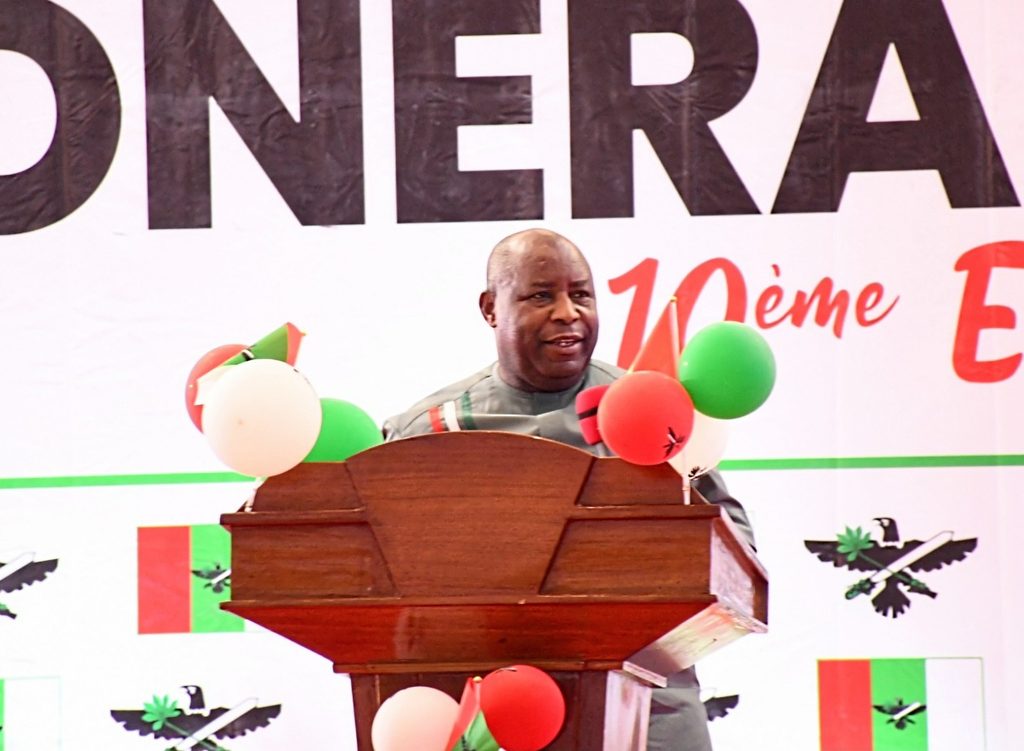
A two-day scientific conference recently gathered young Imbonerakure leaders, serving as a significant platform for dialogue and strategy formulation. The event focused extensively on youth mobilization and their key role in peace and development, bringing together participants to discuss strategic contributions and actionable plans. The conference also saw the active participation of representatives from other political formations, specifically APDR and Uprona. These groups joined the discussions, indicating a broader engagement across the political spectrum and a shared interest in the themes explored. Preparations for 'Imbonerakure Day' are currently underway, with the event officially scheduled for August 29, 2026. This dedicated day will further emphasize the youth's involvement in national development and peace initiatives, building on the outcomes and momentum generated by the scientific conference. The conference itself was organized specifically for young Imbonerakure leaders, showing their central role in these ongoing efforts.
Youth as Pillars of Progress
The scientific conference centered on the theme 'Nouvelles idées, nouvelles attitudes : la jeunesse, pilier de la paix, de la sécurité et du développement au Burundi et en Afrique'. This theme showed the primary focus of the gathering, noting innovative approaches and renewed perspectives. Throughout the sessions, participants consistently emphasized that youth represent a vital force for preserving peace and security, as well as for promoting sustainable development within Burundi and across the broader African continent. Their collective energy and ideas were identified as indispensable for future progress.
Discussions at the conference also noted the critical necessity of mobilizing youth in a coordinated manner to effectively contribute to peace and security initiatives. This coordinated approach is considered essential for maximizing their impact on stability and progress, ensuring that efforts are unified and broad. Attendees noted that preserving peace and security involves actively refusing disinformation and illegal influences. This stance suggests a strong focus on critical thinking, media literacy, and vigilance among young people to safeguard societal harmony and stability against detrimental external pressures. The conference aimed to equip young leaders with the perspectives and tools needed to address these challenges proactively, fostering a generation capable of discerning truth and resisting harmful narratives. The emphasis was placed on empowering youth to be active agents in maintaining societal peace.
Key Participants and International Scope
The conference convened at the Grand Séminaire Jean-Paul II in Gitega, a significant venue that hosted this important gathering. The event successfully brought together a diverse array of attendees, reflecting its national and international importance. Among the key participants were high-ranking members of the government and the Ombudsman of Burundi, indicating strong national engagement and support for the youth-focused agenda. Their presence showed the government's commitment to integrating youth perspectives into national strategies.
The event also featured a significant international dimension, with official delegations from several African nations present. Representatives from Tanzania, Gabon, South Africa, Chad, and Zimbabwe participated, showing the regional interest in youth mobilization for peace and development across the continent. This broad international participation reflected the conference's aim to foster dialogue and share strategies across national borders, noting a collective approach to addressing continental challenges related to youth engagement in stability and progress. The presence of these international delegates facilitated a rich exchange of perspectives and best practices on how young leaders can contribute effectively to their respective countries and the wider African continent, fostering a sense of shared purpose and collaborative action. The discussions benefited from these diverse viewpoints, enriching the outcomes and potential for future regional cooperation.
Call for Innovation and Connectivity
The conference formed an integral component of the celebrations for the 10th edition of 'Imbonerakure Day', marking a decade of focus on youth contributions. The 'Imbonerakure Day' celebration is specifically planned to take place in Gitega, further emphasizing the city's central role in these significant youth-focused initiatives and celebrations. This choice of location reinforces the local and national importance of the event.
Discussions at the conference noted the critical importance of youth participation in combating poverty and ignorance, two fundamental obstacles to national development. Participants emphasized a multi-faceted approach, strongly encouraging young people to focus on continuous education, cultivate deep patriotism, embrace diligent hard work, and actively adopt new technologies. This holistic strategy aims to empower youth with the skills and mindset necessary to drive socio-economic progress. The conference showed the key role leaders play in promoting responsible social media use among young people. This focus aimed to guide youth towards constructive engagement with digital platforms, leveraging technology for positive societal impact rather than succumbing to its potential pitfalls, thereby aligning with broader goals of peace and development in the digital age. The call for responsible digital citizenship was a key takeaway, recognizing the widespread influence of social media in contemporary society.