Urban refugees in Zambia are denouncing significant delays in the renewal of their residence permits, which expired several months ago. The Ministry of Interior and Public Security, the government body responsible for refugee matters in the country, has yet to process these renewals. This situation has left many urban refugees in a precarious legal status, raising significant concerns about their safety and livelihoods.
The 'White Card' Explained
The residence permit issued to urban refugees in Zambia is widely known as a 'White card', a designation stemming from its physical appearance. This specific document, commonly called a 'White card' due to its white color, is key for refugees residing outside designated camps. It grants holders the right to live within urban centers, ensuring their freedom of movement throughout the country. Beyond basic residency rights, the 'White card' also provides essential permissions for refugees to engage in commercial activities, thereby supporting their livelihoods. Possession of the 'White card' is vital for facilitating access to public services, including schooling for children and necessary medical care for families. The absence of a valid 'White card' therefore severely restricts a refugee's ability to integrate and function within Zambian society.
Heightened Risk of Arrest
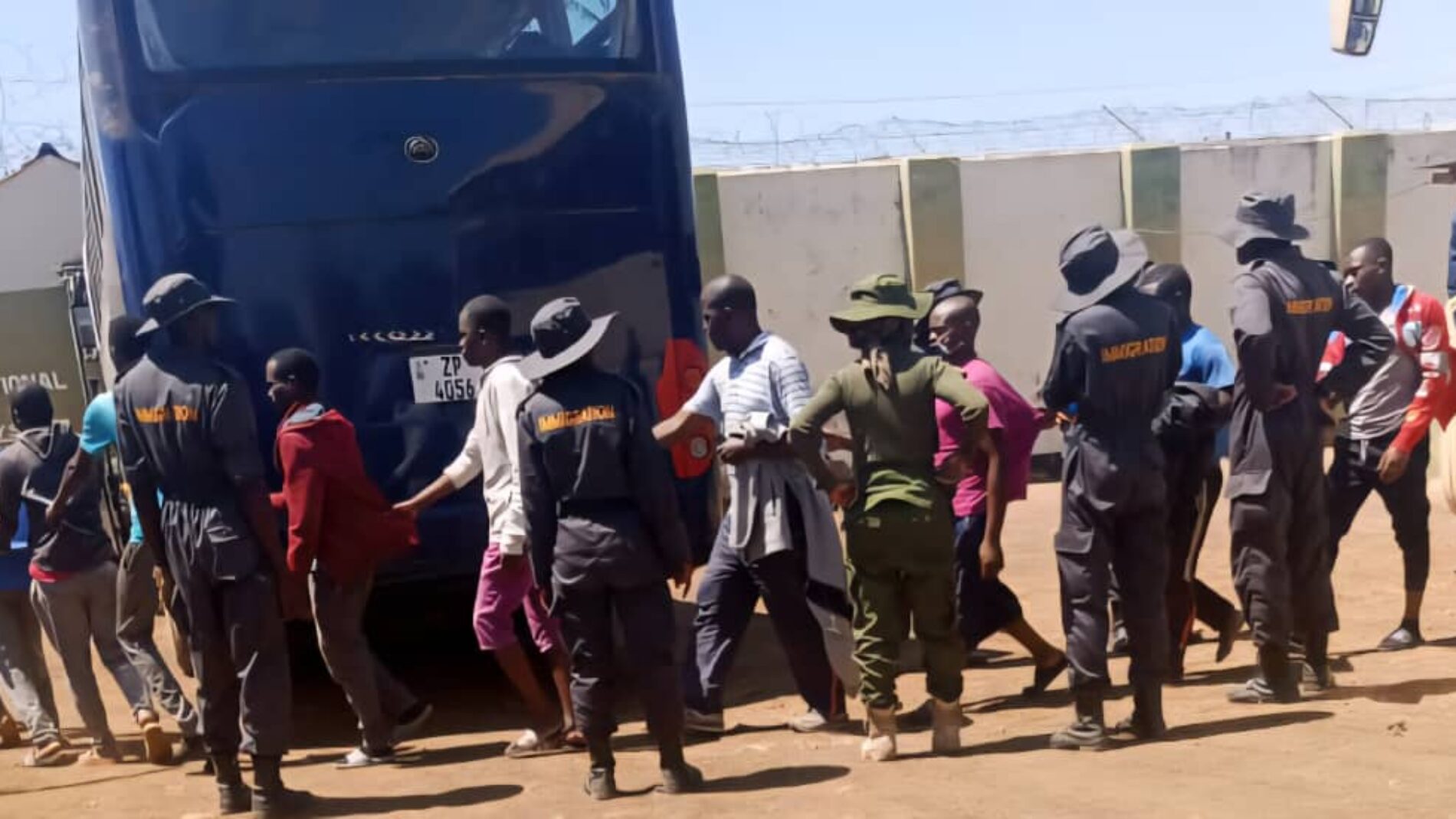
Since the beginning of the year, no urban refugee residence permits have reportedly been validated in Lusaka, the Zambian capital. This lack of official documentation leaves urban refugees vulnerable, particularly as Zambian police and immigration services have initiated a large operation to identify, apprehend, and deport irregular migrants. The operation commenced during the first half of the year, intensifying the risk for those without current documentation.
The absence of valid permits places urban refugees at heightened risk of arrest and deportation, despite their recognized refugee status. Several thousand people have reportedly been returned to their countries of origin as a result of these enforcement efforts. Among those deported, individuals from Burundi are specifically noted. The ongoing operation targets irregular migrants across Zambia, creating a precarious environment for urban refugees whose permits remain unrenewed since January. This situation is particularly alarming given that refugees with expired cards find themselves in a situation similar to undocumented persons, making them indistinguishable from irregular migrants in the eyes of law enforcement during these operations.
Broader Refugee Context
Zambia currently hosts over 105,000 refugees and asylum seekers. A significant portion of this population, approximately 20%, resides in urban centers, particularly in the capital city of Lusaka. The majority of refugees in Zambia are from the Democratic Republic of Congo (DRC) and Burundi. These statistics highlight the substantial number of individuals seeking refuge within the country and show the concentration of urban refugees in key locations like Lusaka, where permit renewal delays are currently causing significant challenges. The diverse origins of the refugee population further illustrate the country's role as a haven for those fleeing conflict and instability in neighboring regions, making the current administrative delays all the more impactful on a large and vulnerable population.
Refugee Voices and Fears
Refugees holding expired residence cards report that their status has become comparable to that of undocumented individuals. The absence of valid documentation exposes them to legal and financial repercussions. Individuals arrested while possessing expired residence documents face fines ranging from 15,000 to 20,000 Zambian Kwacha. These penalties translate to approximately $800 to $1,000 USD, representing a significant financial burden for many. These substantial fines can be crippling for individuals and families already struggling to establish themselves. The situation creates substantial anxiety among urban refugees, who fear apprehension and the subsequent financial strain or potential deportation due to circumstances beyond their control. This precarious legal position undermines their ability to live and work openly within Zambian society, forcing many to live in constant fear and uncertainty about their future.