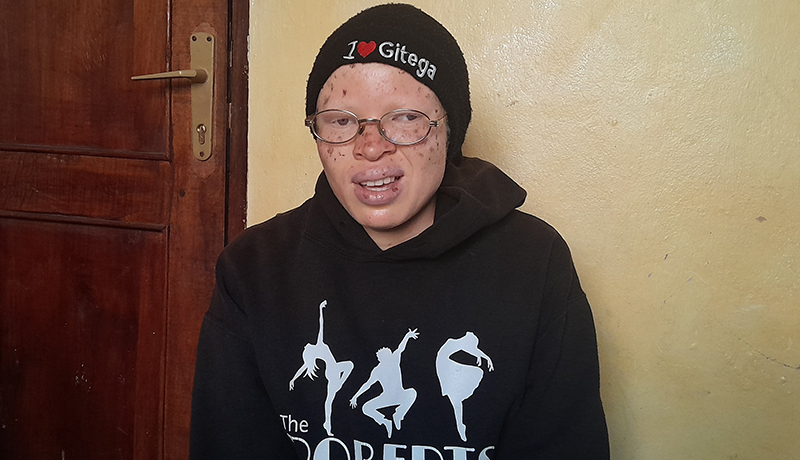
In Kayanza commune, Burundi, sixty-three individuals with albinism face significant discrimination and health challenges, according to Godefroid Niyonizigiye, the commune administrator, on July 15, 2026. This number, representing the known population of people with albinism in the commune, was reported by Mr. Niyonizigiye based on the last census conducted in the area. Audrey Ariella Ineza, a psychologist at the Stamm foundation reception center in Kayanza, stated that discrimination leads to profound psychological consequences such as isolation and a significant loss of self-confidence among those affected. Ineza emphasized that people with albinism are "persons like others" and their skin condition is not contagious, urging an immediate end to the widespread discrimination they experience. She passionately advocated for community-wide awareness sessions, explaining, "An indispensable step is to end discrimination against people with albinism. To achieve this, awareness sessions should be organized in communities to make it understood that people with albinism can fully contribute to the country's development and are valuable members of society."
Discrimination in Schools
The challenges faced by individuals with albinism often begin early in life, particularly within educational settings. Evelyne Cimpereje, a student with albinism from Ryabami hill in Kayanza commune, reported facing persistent discrimination from both her classmates and, disturbingly, some teachers. Her experiences highlight a systemic issue within the school environment. She stated, "It happens that I finish the school year sitting alone on my bench. My classmates discriminate against me, and unfortunately, some teachers are no exception." Cimpereje detailed how students with albinism often require additional time to read material on the blackboard due to inherent vision problems associated with their condition. However, despite this recognized need, they are frequently reprimanded by teachers for this delay, especially during key examinations, putting them at a significant disadvantage.
Cimpereje further explained that teachers often expect students with albinism to be treated identically to other students, despite their undeniable visual impairments. She noted, "Sometimes, some teachers scold us because of our skin. They want us to be treated like other students even though we have vision problems. We sometimes have difficulty taking notes correctly because we cannot clearly see what is written on the board." This lack of understanding and accommodation exacerbates their academic struggles. According to Cimpereje, some classmates also refuse to share their notebooks to help them catch up after class, further isolating them and hindering their learning process. She added, "When questions are written on the board, some teachers scold us if we take a lot more time to read them. We have the same time interval as other students, even though our vision is different, which makes it impossible for us to perform at the same pace." Cimpereje showed the severe psychological impact of these daily experiences, stating, "Discrimination affects us psychologically, eroding our confidence and sense of belonging."
Health Risks and Protective Measures
Beyond the social and psychological burdens, individuals with albinism also face significant health risks, primarily due to their extreme sensitivity to sunlight. Prolonged exposure to the sun can cause severe blisters on the exposed skin of individuals with albinism. These painful blisters subsequently burst and leave dark scars, according to consistent reports from the community, requiring careful management and prevention. The lack of melanin in their skin makes them highly susceptible to sunburn and, over time, significantly increases their risk of developing skin cancers.
To mitigate these severe health risks, protective equipment and topical applications are essential. Protective equipment, such as wide-brimmed hats, which offer key shade for the face and neck, costs approximately 25,000 BIF. Similarly, sunscreen or protective vaseline, also essential for safeguarding their delicate skin from harmful UV radiation, can cost around 20,000 BIF. These costs, which are substantial in the local economic context, often render such vital protective measures unaffordable for many individuals with albinism in the region, leaving them vulnerable to serious health complications and exacerbating their daily challenges. The financial strain of obtaining these necessary items places an additional burden on families already struggling with discrimination and limited resources.
Calls for Support and Awareness
In response to these pressing issues, the administrator of Kayanza commune, Godefroid Niyonizigiye, publicly condemned the conduct of certain teachers who discriminate against students with albinism. He emphasized that such behavior is unacceptable and runs contrary to the fundamental principles of inclusive education that should guide all learning institutions. Niyonizigiye noted the critical importance of creating a supportive and understanding environment for all students, particularly those who face unique challenges due to their albinism. The administrator's statement shows a clear commitment from local authorities to address discrimination within educational institutions and ensure equitable treatment for all. He stressed that teachers have a professional and ethical responsibility to foster an environment of acceptance and equality, ensuring that students with albinism receive the same opportunities and respect as their peers, without prejudice or undue hardship. This condemnation signals a key recognition at the administrative level of the deep-seated issues faced by individuals with albinism in schools, as previously reported by courageous students like Evelyne Cimpereje. The ongoing efforts aim to ensure that the sixty-three individuals with albinism in Kayanza commune can live with dignity, access education, and contribute fully to their community.