The Commune Muramvya is experiencing significant development challenges that are impeding its progress and the well-being of its residents. These challenges include unvalued tourist sites, a widespread lack of capital for residents seeking to initiate or expand businesses, and difficulties accessing essential healthcare services. These systemic issues are further compounded by high consumption of alcoholic beverages, a notable lack of information regarding key development programs such as the PAEEJ, and persistent unemployment, particularly among its youth. Adding to the frustration, residents also point to unfulfilled promises from elected officials as a significant contributing factor to the commune's stagnation and the general feeling of disillusionment. This combination of economic, social, and governance issues creates a complex web of obstacles for the community.
Dieudonné Ndayisenga, a 30-year-old shoemaker in Muramvya, articulated a sentiment shared by many young people, stating that youth development in the area is "far from being a reality." He vividly recalled the electoral campaigns, noting that "during electoral campaigns, elected officials had promised to grant credits to young people so that they could set up development projects." Ndayisenga explained the potential and transformative impact of such support, detailing how even modest resources could make a substantial difference. He noted, "With a machine to sand shoes and quality glue, we could make very beautiful shoes. This would allow us to earn enough money to meet our needs." This specific example shows the tangible benefits that targeted assistance could bring to skilled young individuals.
Youth Struggles and Unmet Promises
Unemployment affects a significant portion of young people in Muramvya, according to 35-year-old Prosper Minani, who asserts that a large proportion of the youth population struggles to find work. He described his daily struggles with the harsh reality of job scarcity, stating, "I can spend an entire day in these streets and come home empty-handed." Minani firmly believes that even with limited resources, he could significantly improve his situation, explaining his entrepreneurial aspirations: "With a small capital, I could start a business." This notes a common desire among the unemployed youth to be self-sufficient if given the initial means.
Promises made by authorities regarding development projects for youth have not yet materialized, noted A.M. A resident of Muramvya. He has heard of the Youth Economic Empowerment and Employment Program (PAEEJ) but lacks sufficient information on how to access it, a common refrain among locals. "I’ve already heard about PAEEJ," A.M. Said, "But I don’t have enough information about it. Even if I had a project, I wouldn’t know which door to knock on." This lack of clear guidance and accessibility hinders the very individuals the program is designed to help.
Dieudonné Ndayisenga, the shoemaker, expressed deep regret that only a small number of young people have received the promised development credits, despite the widespread need. He reiterated that during election campaigns, elected officials had pledged "to grant credits to young people so that they could set up development projects." Ndayisenga once again showed the potential impact of such support, stating, "With a machine to sand shoes and quality glue, we could make very beautiful shoes. This would allow us to earn enough money to meet our needs." This unmet promise leaves many talented young individuals unable to leverage their skills for economic gain.
Many young people in the commune lack internet access or social media, which severely limits their ability to find key information on programs like PAEEJ or other government initiatives. This digital divide exacerbates the information gap, making it difficult for them to learn about and apply for available opportunities. Accessing the Investment Bank for Youth (Bije) also presents considerable difficulties for Muramvya residents due to its inconvenient location in Gitega, requiring travel and resources that many do not possess. Ndihokubwayo confirmed that he has not benefited from any financing programs for youth, including PAEEJ and the Youth Bank, despite their existence. He stated, "I have not received any financial support. I started with my own means," a testament to the self-reliance forced upon many in the absence of institutional support.
Nadine Manirakiza indicated her unawareness of institutions such as the Investment and Development Bank for Women (BIDF) or the Youth Economic Empowerment and Employment Program (PAEEJ), noting a broader lack of information dissemination regarding available support mechanisms for entrepreneurs. This unawareness extends beyond youth-focused programs to those designed for women, indicating a systemic failure in communicating vital resources to the community.
Healthcare and Agricultural Hurdles
Healthcare access presents a significant challenge for residents, with some holding health assistance cards that are not accepted at medical facilities, rendering them useless. Prosper Minani, a 35-year-old resident, stated, "I possess a health assistance card, but I have never used it because it is not accepted in hospitals." This situation leaves many vulnerable, despite theoretically having coverage. Public health facilities in Muramvya Commune reportedly face a severe scarcity of medications, compelling patients to purchase costly drugs from private pharmacies, often at exorbitant prices. A.M. Another resident, described difficulties in obtaining necessary medicines as a major problem, especially for children under five who are supposed to receive free healthcare. "When a parent wants to treat their child, they are forced to buy expensive medicines in pharmacies," A.M. Explained, noting the financial burden placed on families. He added, "Under these conditions, free healthcare is almost useless," as the lack of available drugs negates the benefit of free consultations.
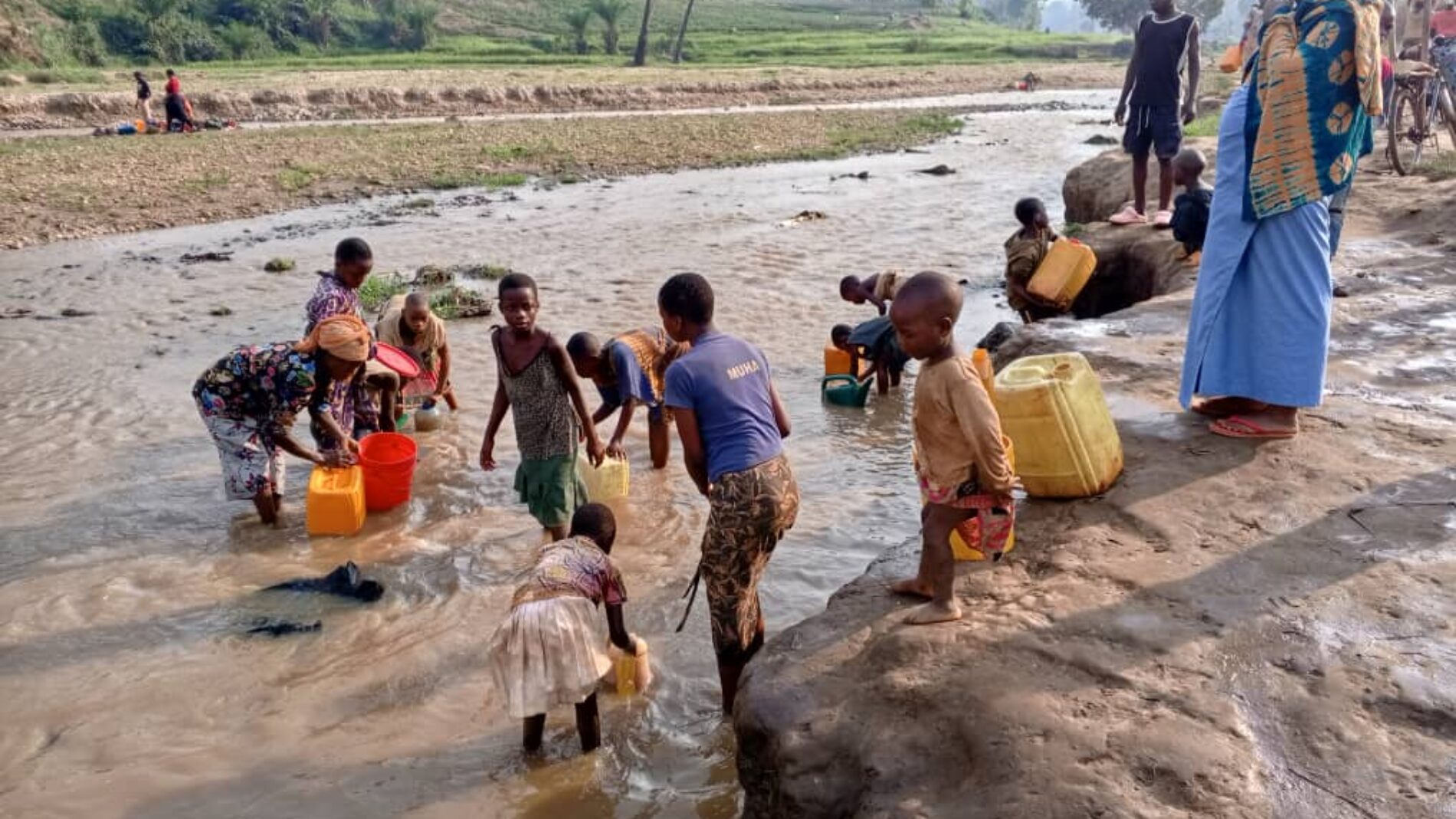
The agricultural sector, a cornerstone of the local economy, also faces substantial hurdles, including a persistent lack of financial resources for farmers and significant issues with fertilizer distribution. Renatus Kwizera, 28, a shoemaker who also engages in farming, specifically pointed out difficulties in the agricultural sector, detailing the problems with delayed and insufficient deliveries of ordered fertilizers. Kwizera recounted his personal, frustrating experience, stating, "They wronged me. I had ordered three bags of fertilizer, but so far, I have only received one and a half bags, and late." This delay and shortfall directly impact crop yields and farmer livelihoods. He added, with palpable concern, "I have only just planted the beans, and I don’t even know if I will be able to harvest anything," illustrating the precariousness of farming in the commune. Farmers in Muramvya Commune also contend with severe environmental challenges that consistently damage crops. Antoine Rusamba, 35, a vegetable seller and an active member of the 'Kigori Terimbere' cooperative, explicitly noted that floods from the Mubarazi river frequently destroy agricultural yields, leading to significant losses for the farming community. These environmental factors, combined with resource scarcity, make agricultural success an uphill battle.
Women's Resilience and Alcohol's Toll
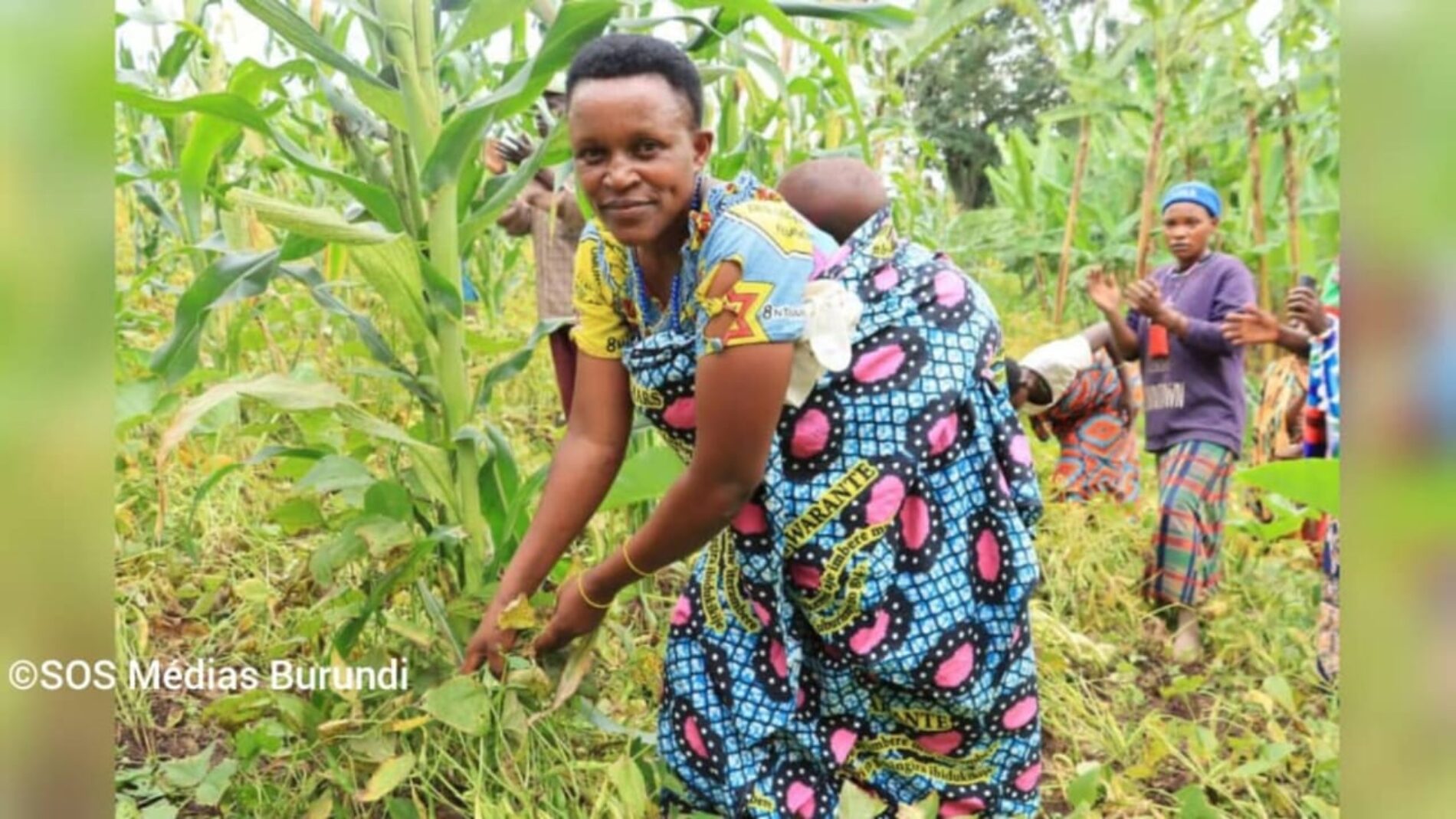
Despite the myriad challenges, some women in Muramvya Commune have achieved significant economic development through their participation in savings and credit associations, demonstrating remarkable resilience and initiative. Annonciate Niyongere, a 36-year-old mother of four and merchant, exemplifies this success. She obtained a credit of 100,000 BIF from the 'Dukorere hamwe' association to start a small business, a vital injection of capital. Niyongere stated that women's development in their locality has "made great strides forward," showing the positive impact of these collective efforts. She added, "Thanks to this support, I started a small business in the Muramvya market. The profits I earn today allow me to help my husband meet some of our family's needs," illustrating her key contribution to household stability. Sandrine Ndikumana further noted that income-generating activities are becoming more accessible to women, allowing them to contribute more significantly to household needs and improve their families' overall well-being. Ndikumana, who received starting capital from the 'Merankabandi' project, explained the shift in mindset and action: "Thanks to the various awareness campaigns organized in our commune, we decided to stand up. Today, the women of our locality are working." She added, detailing her personal commitment, "I promised my husband to help him. Currently, when I finish my work, I come home with a certain amount of money that allows me to buy food for the evening meal." This notes the tangible, immediate benefits of women's economic empowerment.
However, alcohol consumption often hinders household development, undermining the efforts of hardworking women and families. Claudine Bukuru, a mother of seven, stated that her husband, a mason, spends money earned primarily on alcohol known as 'Karibu', diverting essential funds from family needs. Bukuru painted a grim picture of domestic life, saying, "When he comes home at night, he disturbs the family. He doesn't leave the children alone. Sometimes I get beaten. I have no say in my own home." Belyse Kaneza observed that in some families, husbands actively hinder the development of the household, often through destructive behaviors related to alcohol. Kaneza recounted a particularly devastating experience where her husband sold all family assets, including one hectare of land, before remarrying in the Bukeye area, abandoning her alone with five children. She explained the broader pattern, stating, "It's a recurring problem in some families. Sometimes, it's the husbands who hinder the development of the household." Kaneza added, reflecting on her path to recovery, "He left with the family assets we had acquired together. That's when I decided to get back on my feet and work to provide for my children," a powerful example of resilience in the face of adversity.
Ndihokubwayo engages in multiple income-generating activities to support himself and his family, selling food and charcoal, and offering mobile money transfer services, showcasing a diverse entrepreneurial spirit. Nadine Manirakiza, abandoned by her husband for three years, supports her three children by running a small restaurant, demonstrating her determination to provide for her family. Manirakiza received a debt of 50,000 BIF from a community savings cooperative. She finds this amount insufficient to adequately capitalize her business, often working at a loss, and frequently makes a profit of less than 10,000 BIF. Manirakiza stated, "I went to a community savings cooperative to contract a debt. I received 50 thousand BIF. Since it's insufficient, I work at a loss. The profits are meager," showing the persistent struggle for financial viability even with some support.
The Widespread Impact of Alcohol
Excessive consumption of highly alcoholic beverages in Muramvya Commune has led to several profound and detrimental outcomes, impacting individuals, families, and the community at large. This includes the tragic waste of family assets, as money that could be invested in development or basic needs is instead spent on alcohol. The consumption of these beverages also directly contributes to increased family conflicts, leading to domestic violence and household instability. It is a significant factor in the rise of school dropouts, as children are neglected or families can no longer afford educational expenses due to alcohol-related spending. Additionally, such consumption contributes to illnesses linked to malnutrition, as resources for food are diverted and individuals' health deteriorates. The high intake of these beverages also has a broader impact on productivity, as it reportedly makes individuals lazy, reducing their capacity for work and economic contribution, thereby perpetuating a cycle of poverty and underdevelopment in the commune.