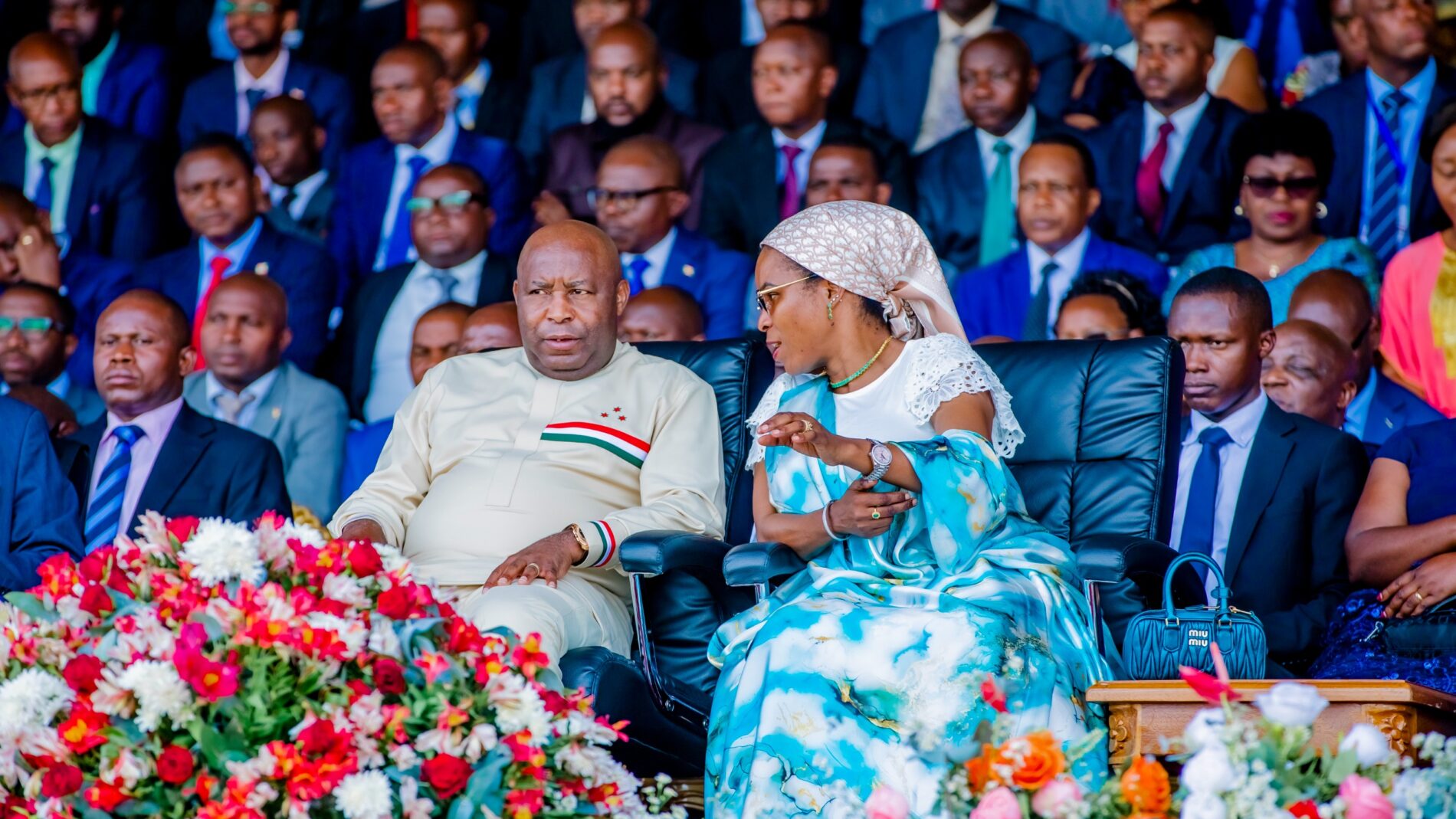
Burundi commemorated National Patriotism Day on Monday, June 8, 2026, with festivities held in the political capital Gitega. The annual event is presented as a key moment for fostering national unity and reinforcing civic values among the Burundian population. This year's observance took place amidst ongoing public debates concerning governance, the extent of political inclusion, and the daily living conditions faced by citizens across the country. The commemoration serves as a platform to reflect on these national priorities and engage in a broader national discourse about the country's direction.
Official Calls for Unity and Development
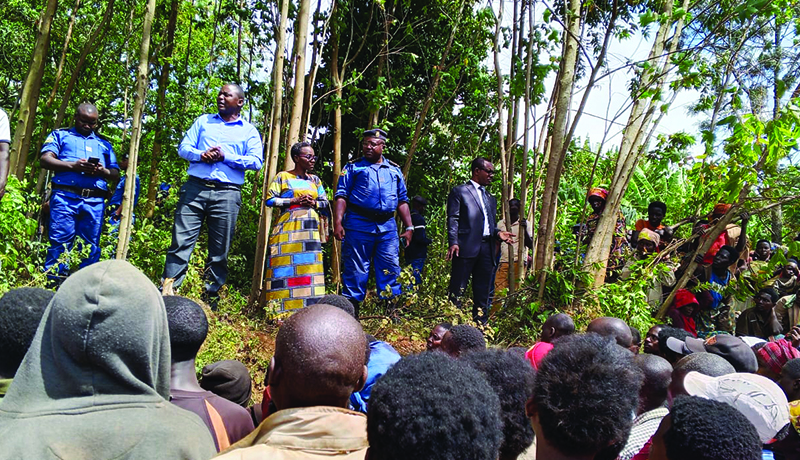
The Day of Patriotism ceremonies featured official institutional messages and calls for national mobilization aimed at achieving the country's development objectives. These official ceremonies were a central part of the day's events, providing a platform for the government to articulate its vision. Authorities emphasized the importance of citizens preserving national unity, strengthening civic discipline, and increasing engagement in current economic and social initiatives. The messages delivered showed a consistent theme of collective responsibility towards national progress.
The head of state showed the critical role of patriotism as a fundamental element for national stability and a catalyst for development. This assertion noted the government's view that patriotic sentiment is essential not only for maintaining peace but also for driving economic and social advancement. Official speeches delivered during the commemoration noted the necessity of boosting national production and encouraging citizen participation in community projects. These efforts were presented as essential steps towards improving the living conditions of Burundians across the country, with a clear focus on tangible improvements in daily life. The government's messaging sought to link patriotic duty directly to active involvement in initiatives designed to uplift the nation. The calls for mobilization around the country's development objectives were a recurring theme throughout the official proceedings, reinforcing the idea that patriotism is an active, rather than passive, commitment.
Citizens' Views on Patriotism and Historical Context
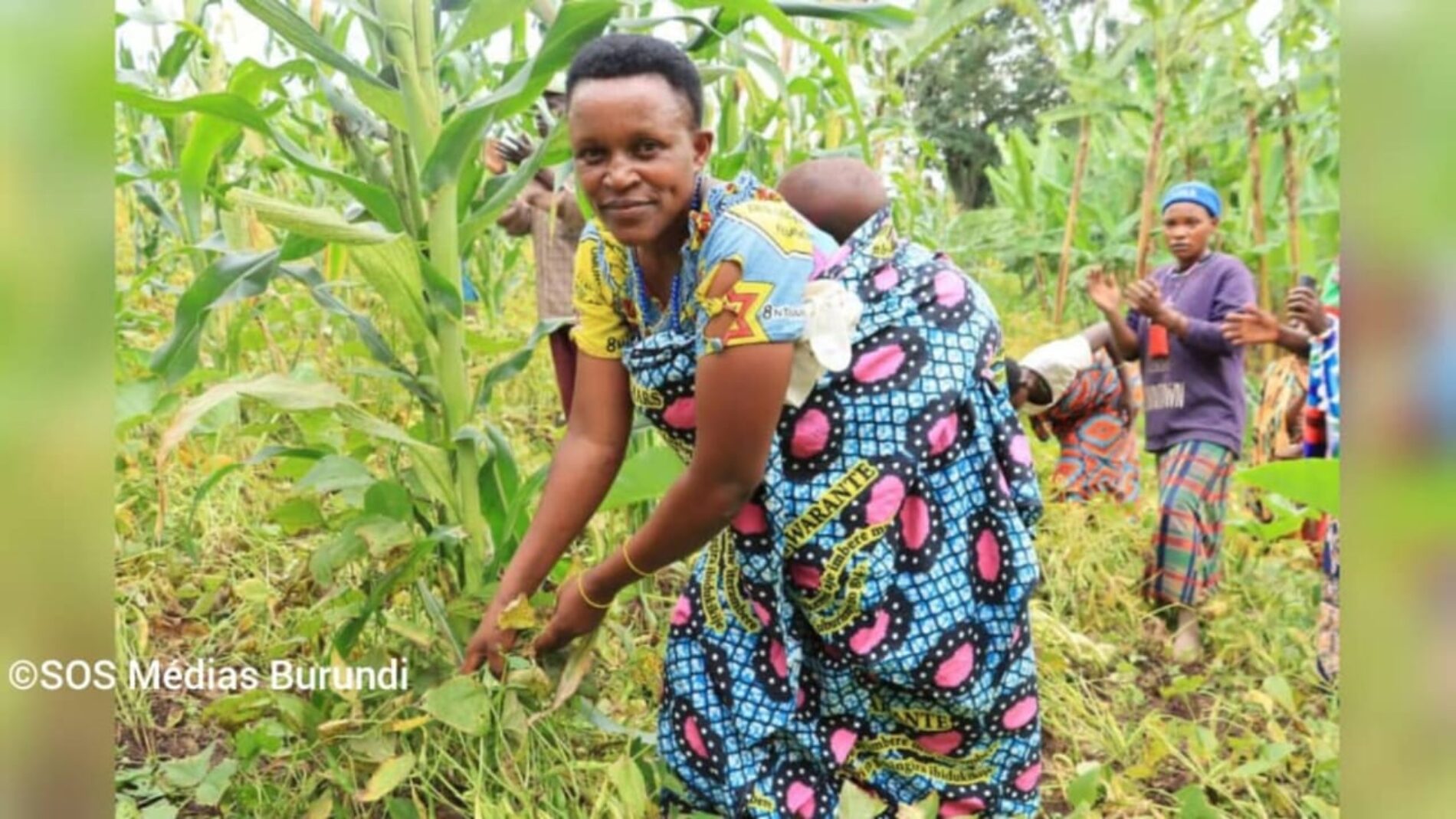
The Day of Patriotism was instituted in memory of former head of state Pierre Nkurunziza, who died on June 8, 2020. This historical context provides a significant layer of meaning to the annual observance, tying it to a key figure in recent Burundian history. In several communes located in the north and east of the country, including Ngozi, Cankuzo, and Ruyigi, residents expressed that patriotism should be demonstrated through tangible actions contributing to development. This sentiment shows a desire for practical outcomes stemming from national unity efforts, reflecting a ground-up perspective on what patriotism truly entails. These citizens believe that true patriotism is not just about allegiance but about active contribution to the betterment of their communities and the nation as a whole.
The president of the Forum of Political Parties emphasized that patriotism primarily involves economic production. This perspective suggests a focus on tangible contributions to the nation's prosperity as a core measure of patriotic commitment, aligning with the views of many citizens in the communes mentioned. He further asserted that the Arusha Accords represent a historical benchmark of Burundian patriotism, having facilitated the establishment of an institutional balance founded on power-sharing. This historical reference links patriotism to the foundational agreements that shaped the country's political structure, suggesting that upholding these accords is an act of patriotism. The Forum's leader thus connects contemporary economic efforts with historical political achievements, framing both as essential components of national pride and commitment.
Political Opposition Perspectives
The president of the CNL (National Council for Liberty) party stated that patriotism should not be confused with loyalty to a political party, denouncing the assimilation of the ruling party to the state. This strong statement from the CNL leader notes a critical point of contention within the political landscape. He advocates for an inclusive conception of patriotism, emphasizing respect for political diversity, tolerance, and the protection of fundamental freedoms. This inclusive vision stands in contrast to what he perceives as a narrow, partisan definition of patriotism. The CNL leader also called for concrete measures to foster genuine national unity, including the return of refugees and political exiles, the release of concerned prisoners, and a sustained fight against corruption and impunity within the country. These specific demands reflect the opposition's view that true national unity cannot be achieved without addressing issues of justice, human rights, and political reconciliation. He argues that these actions are prerequisites for a patriotism that genuinely serves all Burundians, rather than just a segment of the population.
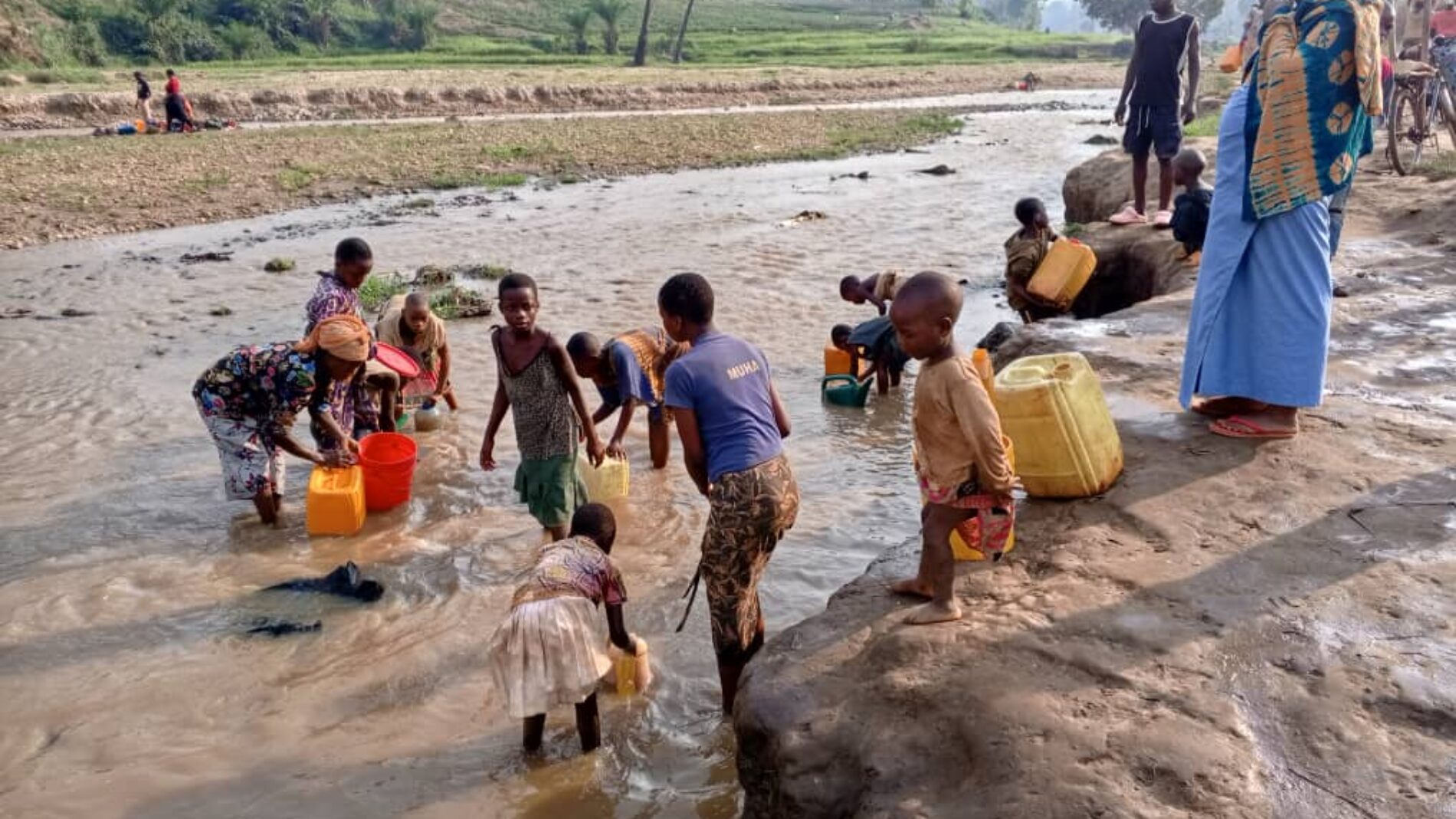
The president of the APDR (Alliance for Peace, Democracy, and Reconciliation) party deplored the persistence of socio-economic difficulties and ongoing governance problems. He indicated that these issues continue to impact the daily lives of Burundians despite official pronouncements. According to the APDR leader, Patriotism Day notes a significant gap between institutional discourse and the pressing daily concerns faced by ordinary citizens. This disparity, he suggested, undermines the spirit of national cohesion the day aims to promote, as citizens struggle with hardships that seem unaddressed by official rhetoric. The APDR's stance shows the belief that genuine patriotism must be reflected in tangible improvements to the lives of the populace, rather than merely ceremonial observances. The persistence of socio-economic difficulties and governance problems, in his view, makes it challenging for citizens to fully embrace the spirit of national unity promoted during such events.
Despite varying interpretations, there remains a broad consensus among political actors that patriotism constitutes a central value in Burundi's national discourse. However, its specific interpretation and how it should manifest in policy and practice continue to spark debates across the political spectrum. These discussions show the challenges in achieving a unified vision for the nation's future, even as the country commemorates a day dedicated to national pride and unity. The ongoing dialogue surrounding Patriotism Day reveals a complex interplay of historical memory, political aspirations, and the daily realities faced by the Burundian people.