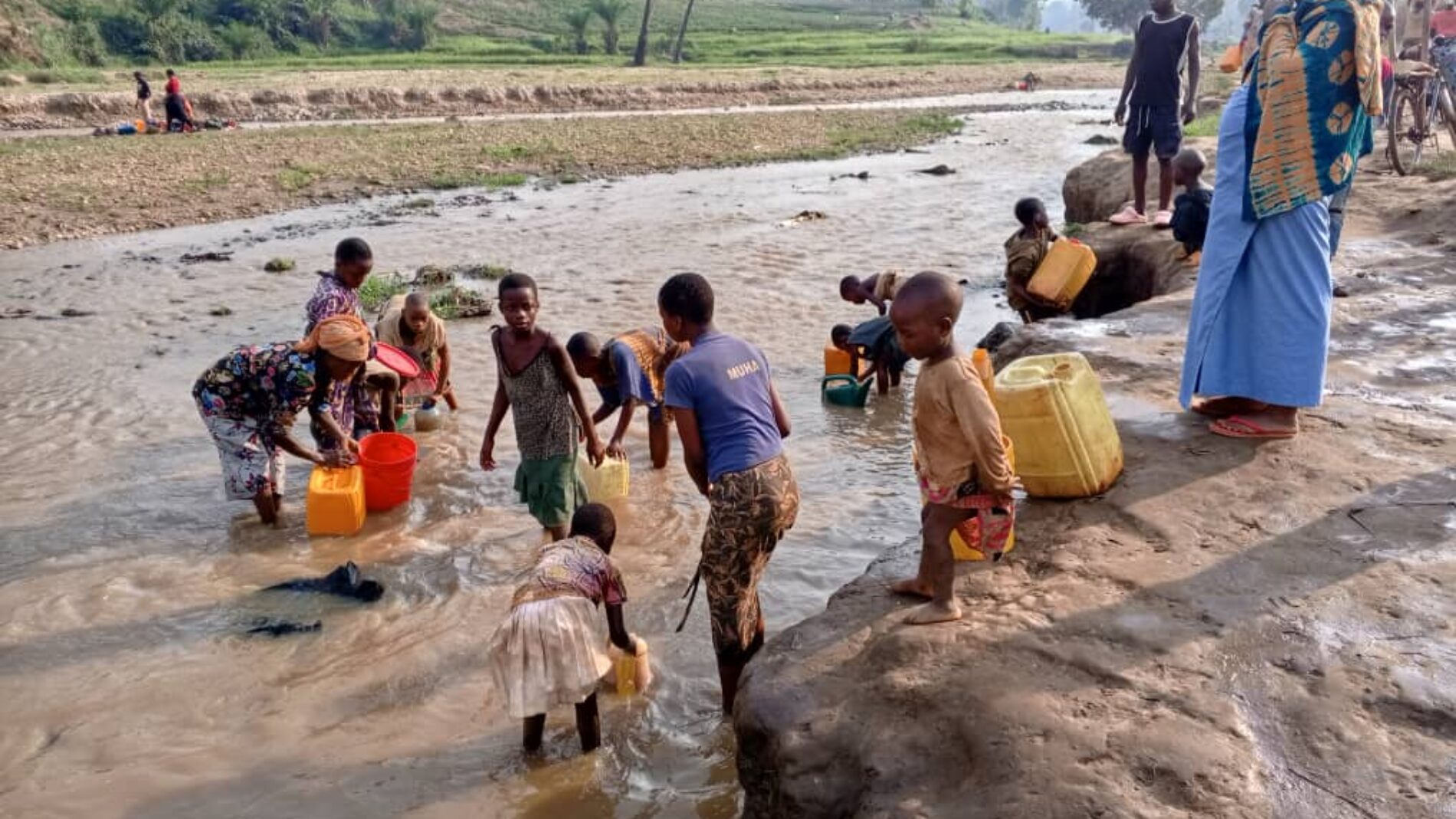
Residents in the areas of Kiri, Kiyonza, and Ruhehe, located within Kirundo commune, Butanyerera province, northern Burundi, have been experiencing a severe shortage of drinking water for several years. This prolonged scarcity has profoundly impacted daily life across these communities, forcing them to confront significant health, economic, and educational challenges. The crisis has drawn criticism and accusations of state neglect from the affected population, who point to non-functional infrastructure and a lack of sustained solutions.
Years of Water Scarcity Plague Kirundo
The water crisis in Kirundo is not a recent phenomenon; a severe shortage of drinking water has been affecting residents of Kiri, Kiyonza, and Ruhehe for several years. This enduring problem has left many without reliable access to this essential resource. In several neighborhoods of Kirundo city, residents have been without access to water for nearly six months. This extended period of deprivation has critically affected daily routines and basic hygiene practices for thousands of individuals and families. The situation is further compounded by the fact that water fountains, which were installed by the organization Africa Water with the intention of alleviating such shortages, have remained non-functional for several months. These broken systems stand as a stark reminder of the persistent challenges faced by the community in securing a consistent water supply.
The ongoing lack of potable water has escalated into a dire humanitarian concern, with residents expressing deep frustration over the apparent inability of local authorities to address the fundamental need for clean water. The prolonged scarcity has impacted daily life for many, transforming simple tasks like cooking, cleaning, and personal hygiene into arduous endeavors. The communities of Kiri, Kiyonza, and Ruhehe are at the epicenter of this crisis, bearing the brunt of the water deficit year after year.
Health and Financial Toll Mounts
The severe water shortage in Kirundo has led to significant financial burdens for residents, exacerbating the economic strain on already vulnerable households. The cost of obtaining water has skyrocketed, with a single bidon (can) of water now costing between 2,000 and 2,500 Burundian francs. For many families, this represents a substantial portion of their daily earnings, forcing difficult choices between purchasing water and other essential needs like food or medicine. This economic pressure disproportionately affects the poorest segments of the population, trapping them in a cycle of poverty and ill-health.
Beyond the financial strain, residents report an alarming increase in diseases directly linked to the consumption of unsanitary water. The lack of access to clean, treated water sources forces communities to rely on alternatives that are often contaminated with bacteria and other pathogens. This reliance on unsafe water has led to a surge in waterborne illnesses. Diseases related to "dirty hands" are also reported to be frequent among the population, further noting the widespread impact on hygiene and public health. The health crisis is particularly acute among children, who are more susceptible to waterborne diseases and their severe complications. Tragically, residents report that some children are reportedly dying before reaching the age of five years, showing the critical and life-threatening nature of the water scarcity. The absence of clean water for handwashing and sanitation creates an environment where preventable diseases flourish, posing an immense threat to the well-being and survival of young children.
Unused Infrastructure and Broken Promises Exacerbate Crisis
The ongoing water crisis is further aggravated by the presence of significant, yet non-functional, infrastructure. Several reservoirs constructed in the Kirundo region have remained out of service for over seven years, despite being built specifically to address the pressing water needs of the population. These dormant facilities represent a profound failure in planning and execution, standing as symbols of unfulfilled promises and wasted resources. The lack of functional infrastructure has exacerbated the ongoing water crisis, leaving communities to grapple with shortages even as potential solutions lie dormant.
The impact of this widespread water scarcity also extends to educational institutions, creating significant disruptions in learning. Boarding schools in the area are experiencing significant challenges, with students frequently compelled to leave their establishments to search for water. This diversion of time and energy away from studies not only compromises their academic progress but also exposes them to potential dangers as they seek water from distant or unsafe sources. The prolonged water scarcity continues to impact daily life across all sectors, noting the enduring nature of the issue. The article, published on June 10, 2026, serves as a stark reminder of the persistent and urgent need for sustainable solutions to provide clean drinking water to the residents of Kirundo. Residents continue to call for immediate intervention and accountability to address this long-standing and devastating crisis.