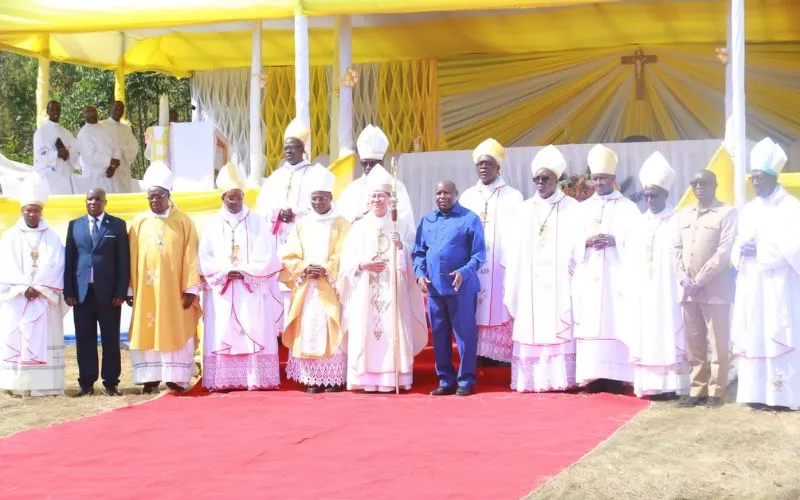
The Conference of Catholic Bishops of Burundi (CECAB) has called for an urgent increase in the salaries of Catechists, citing the country's worsening economic conditions and the rising cost of living. The bishops issued their appeal in a statement following their Ordinary Plenary Assembly, which took place at the National Intercultural Center Oasis of Peace and Reconciliation (CINOPR) in Kiriri. ACI Africa received the statement on Friday, June 19, 2026. The religious leaders emphasized the critical need to improve the financial well-being of Catechists, who play a vital role in the Church's mission, amidst the current economic pressures. This urgent call for better compensation reflects a deep concern for the welfare of those serving at the grassroots level of the Church, particularly as economic hardships continue to mount across the nation. The bishops noted that the current economic climate makes it increasingly difficult for Catechists to meet their basic needs and those of their families, showing the necessity of immediate action to address their remuneration.
Economic Woes Fuel Salary Demand
Members of the Conference of Catholic Bishops of Burundi (CECAB) examined the possibility of reviewing Catechists’ remuneration during their recent assembly. The bishops unanimously agreed on the need for an upward adjustment to these salaries, a consensus that shows the gravity of the situation and the perceived inadequacy of current compensation levels. This unanimous decision signals a strong commitment from the Church hierarchy to support its dedicated Catechists, who are often the primary point of contact between the Church and its parishioners in many communities. The last adjustment to Catechists’ remuneration was implemented in 2021, according to the bishops. This fact alone suggests that the current salaries have not kept pace with the significant inflationary pressures and the escalating cost of living experienced in Burundi over the past several years. The period since the last adjustment has seen considerable economic shifts, making the present remuneration increasingly insufficient for sustaining a decent standard of living.
CECAB members also deplored the deterioration of most roads across the country. The poor state of infrastructure not only impedes daily life but also affects the Church's ability to carry out its pastoral activities and reach remote communities. They expressed significant concern regarding the continued scarcity of essential products, specifically citing medicines and foodstuffs. This scarcity contributes directly to the rising cost of living and exacerbates the financial strain on ordinary citizens, including Catechists. The bishops' statement implicitly links these broader economic challenges to the need for increased salaries, as Catechists, like all Burundians, are directly impacted by these widespread issues. In response to broader economic challenges affecting the Church's operations, and recognizing the need for financial prudence and sustainability, the bishops adopted a roadmap. This full plan outlines strategies for improving the management and profitability of Church assets. This initiative aims to ensure that the Church itself can better navigate the economic landscape and potentially generate more resources to support its personnel and programs, including the proposed salary adjustments for Catechists. The roadmap signifies a proactive approach to economic stewardship, seeking to strengthen the Church's financial foundations in the face of national economic difficulties.
Broader Societal Concerns Raised
The Bishops also noted the continued departure of young people and skilled professionals from Burundi, referring to it as "the hemorrhage of the nation’s productive forces." This phenomenon, often driven by a lack of economic opportunities and social stability, represents a significant loss for the country's future development and human capital. The Conference of Catholic Bishops of Burundi (CECAB) expressed concern over broader societal issues, noting that "most roads in the country have deteriorated" and further deploring "the persistent shortage of fuel." The persistent shortage of fuel, in particular, has broad consequences, affecting transportation, commerce, and the daily lives of citizens, including those in pastoral ministry. The religious leaders additionally observed with dismay "the persistence of shortages of essential products such as medicines and foodstuffs." These shortages are a direct indicator of underlying economic instability and logistical challenges, contributing to widespread hardship and health risks for the population.
In a critical observation regarding political practices, the Bishops questioned whether compelling citizens to contribute financially to political parties they are not members of "does not constitute a violation of the Constitution of the Republic of Burundi, which recognizes multiparty democracy." This pointed query shows the Bishops' role as moral arbiters and advocates for constitutional adherence and individual freedoms within the political sphere. The statement from the Bishops indicated a broader concern for constitutional adherence in the nation's political landscape, emphasizing the importance of respecting fundamental rights and democratic principles. Such practices, if widespread, could undermine public trust in political institutions and civic participation.
Concerns were also raised regarding the justice system, with the Bishops drawing attention to unresolved criminal cases and irregularities. They stated that "lifeless bodies are found here and there without the perpetrators of these crimes ever being identified," showing issues of accountability and due process. This noted a perceived lack of resolution in serious criminal matters across the country, which can erode public confidence in the rule of law and foster a climate of impunity. The Bishops' intervention on this matter reflects their commitment to social justice and the protection of human dignity, calling for greater transparency and effectiveness within the judicial system.
Separately, the Catholic Bishops approved a new catechetical document during their assembly. This document, which aims to guide religious instruction within the Church, was described as reflecting "massive and fervent participation" in its creation, suggesting a collaborative effort in its development. The approval of this new document signifies the Church's ongoing commitment to its spiritual mission and the formation of its faithful, even amidst pressing economic and social challenges. The collaborative nature of its development indicates a broad engagement from various levels of the Church in shaping its future catechetical approach.
Bishops' Call for Action
The Bishops also drew attention to agricultural challenges, noting that poor harvests had resulted from irregular rainfall patterns. This climatic variability poses a significant threat to food security, particularly in a country heavily reliant on rain-fed agriculture. They noted further difficulties for farmers, specifically mentioning the delayed distribution of chemical fertilizers, even to those who had paid for them in advance. This critical delay not only impacts crop yields but also represents a breach of trust with farmers who have made financial commitments, further exacerbating their economic vulnerability. This situation, they indicated, exacerbated food security concerns across the nation, making it harder for families to access adequate nutrition and contributing to the overall economic strain. The combination of unpredictable weather and logistical failures in agricultural inputs creates a precarious situation for rural communities.
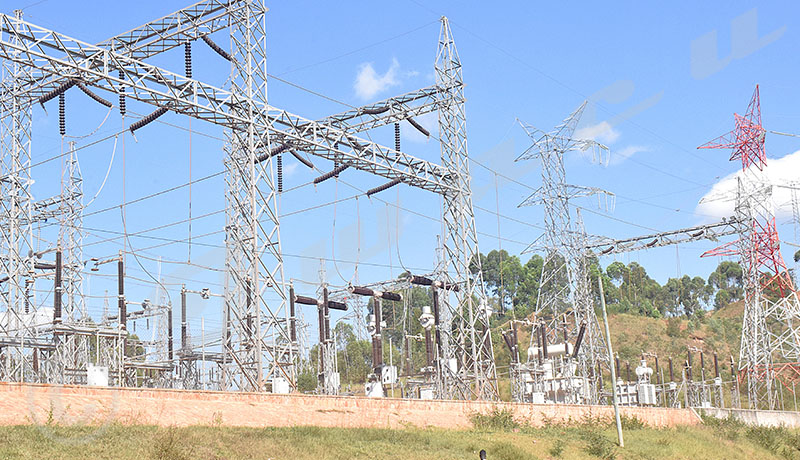
Additionally, the Conference of Catholic Bishops of Burundi (CECAB) expressed concern regarding the energy sector. They pointed to "the persistent shortage of fuel," a problem that has impacted various aspects of daily life and economic activity within the country. This fuel scarcity affects transportation, industrial output, and even the ability of individuals to commute to work or access essential services. The bishops’ statement did not specify the causes of the fuel scarcity but showed its ongoing nature and impact, noting it as another critical challenge facing the nation. Their observations collectively painted a picture of a nation grappling with multiple interconnected crises affecting its populace, from economic hardship and infrastructure decay to issues of justice, governance, and agricultural productivity. The call for an urgent salary hike for Catechists is thus situated within a much broader concern for the welfare and stability of Burundi as a whole.