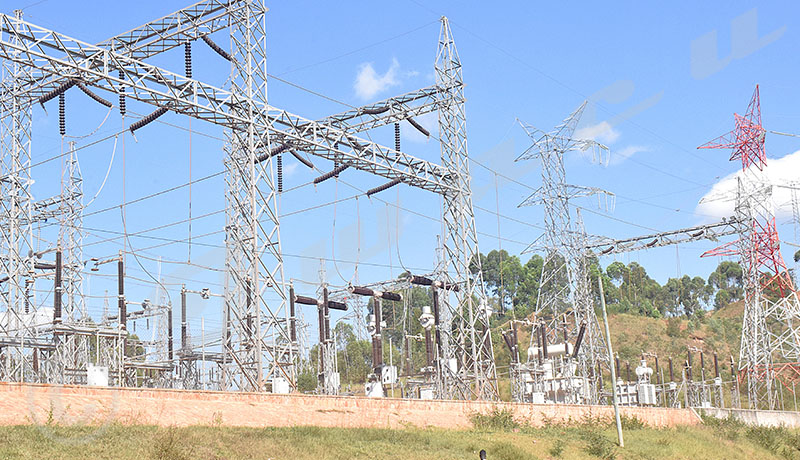
Residents of Rukoba, a neighborhood recently incorporated into the urban commune of Gitega, are currently living without electricity. This situation persists despite the area's proximity to existing power infrastructure. The Rukoba neighborhood, despite its recent integration into the urban commune of Gitega, remains largely unconnected to the national power grid, noting a significant disparity in access to essential services within the rapidly developing urban area.
Daily Struggles Without Power
Residents of Rukoba rely on candles or solar panels to illuminate their homes, according to reports from the area. This reliance on alternative, often less efficient, lighting methods shows the daily challenges faced by the community. The absence of grid electricity significantly impacts daily life, particularly economic activities. Businesses and other operations in Rukoba typically cease at sunset due to the lack of power infrastructure, leading to reduced productivity and lost income opportunities for local entrepreneurs. This forced cessation of economic activity at dusk severely limits the growth potential of local enterprises.
For essential tasks, residents must seek services in other parts of Gitega. Women in Rukoba, for instance, are compelled to travel to neighboring areas to mill cassava or maize, as milling operations cannot be sustained locally without electricity. This necessity to travel for basic services adds considerable time and cost to daily routines for the community members, further burdening households. The inability of local businesses to install essential appliances such as refrigerators or freezers due to the lack of electricity also impacts their ability to store perishable goods and expand their services, stifling local commerce. The situation shows the challenges faced by the neighborhood despite its integration into the urban commune, as it remains isolated from a fundamental urban utility.
Official Reasons for Delay
Regideso, the state-owned utility responsible for electricity provision, attributes the delay in connecting Rukoba to a severe lack of network equipment. The utility specified a deficit of essential components, particularly transformers and poles, as the primary constraint preventing the extension of electricity services to the neighborhood. This shortage of critical infrastructure components has stalled progress on electrification projects in areas like Rukoba. Efforts to obtain further information from Regideso officials for the Centre Region were unsuccessful, as they could not be reached for comment regarding the situation in Rukoba, leaving residents and local authorities without clear timelines or detailed explanations for the ongoing delays.
Voices from the Community
Residents of Rukoba express profound frustration over the prolonged lack of power, noting that the Zege electricity substation, which supplies electricity to other nearby neighborhoods, is located in close proximity to their community. This geographical irony amplifies their sense of neglect, as they observe neighboring areas benefiting from a resource that remains out of reach. The absence of grid electricity severely restricts local commerce, preventing businesses from installing essential appliances such as refrigerators or freezers. This limitation impacts their ability to store perishable goods and expand services, hindering economic development within the neighborhood. The lack of adequate lighting poses significant challenges for students in Rukoba, who report being unable to study effectively after sunset, potentially impacting their educational outcomes. The community emphasizes the disparity, given their geographical location near existing power infrastructure and the expectation that integration into an urban commune would bring improved services.