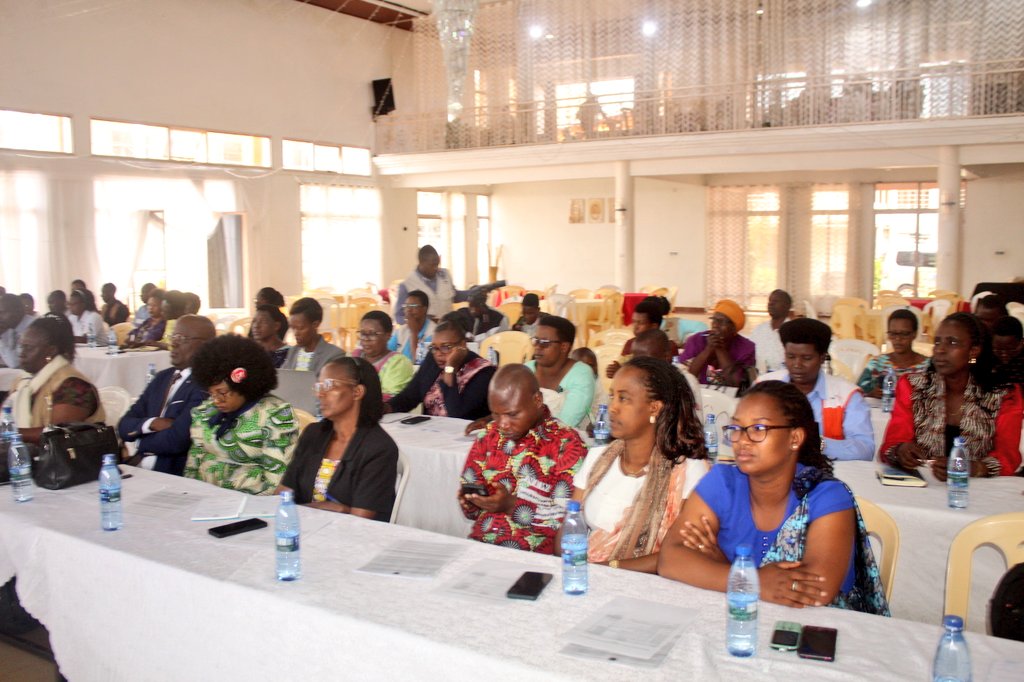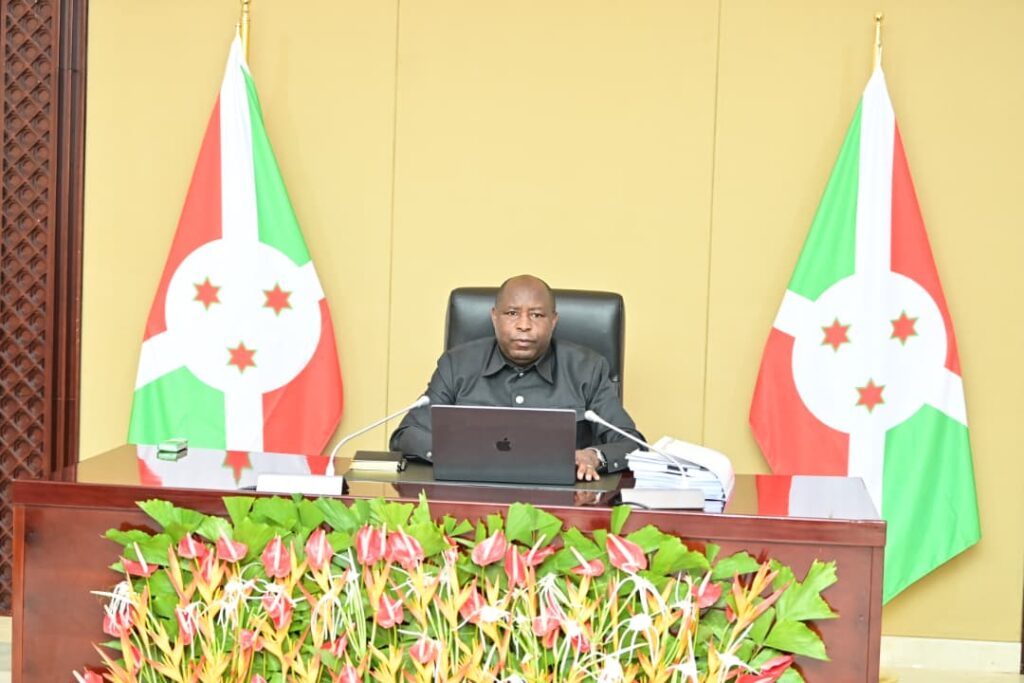
Burundi's Council of Ministers convened at the Ntare Rushatsi Presidential Palace on Friday, May 22, 2026. The high-level meeting was specifically held to review the proposed state budget for the 2026-2027 fiscal year, marking a key step in the nation's financial planning cycle. The gathering focused intently on key economic projections and expenditure plans, meticulously setting the stage for the country's financial framework in the upcoming period. Deliberations included a thorough examination of various sectoral allocations, ensuring that resources would be directed effectively towards national priorities. The Council discussed strong revenue generation strategies designed to support and accelerate Burundi's national development goals. The full review showed the government's commitment to prudent fiscal management and strategic resource deployment.
Budget Law Presented
During the session, a detailed draft law outlining the State General Budget for the 2026-2027 fiscal year underwent rigorous analysis by the Council of Ministers. This key document, which forms the backbone of the nation's financial operations, was formally presented by the Minister of Finance, Budget, and Digital Economy. The presentation by the Minister marked a key and indispensable step in the intricate budget approval process. It meticulously detailed proposed expenditures across all government departments and projected revenue streams for the upcoming financial period. The draft law is expected to serve as the definitive guide for government spending, economic policy formulation, and the allocation of public funds for Burundi over the specified fiscal year, impacting all facets of national life. The Council's careful scrutiny of this document reflects its importance in shaping the country's future economic landscape.
Exclusive Focus on Fiscal Planning
The Council of Ministers' session, which took place at the Ntare Rushatsi Presidential Palace on Friday, May 22, 2026, was notable for its singular focus. The analysis of the 2026-2027 State General Budget was the only item on the agenda, an indication of the critical importance placed on this annual fiscal exercise. This singular agenda item showed the government's unwavering concentration on full fiscal planning for the upcoming financial year. The detailed review of the budget proposal notes the administration's intent to meticulously outline both revenue collection mechanisms and expenditure plans with precision and foresight. This dedicated focus ensures that all ministerial departments contribute to and align their operational objectives with the proposed financial framework. The emphasis on this one topic during the high-level meeting indicates the critical importance placed on solidifying Burundi's economic trajectory and ensuring optimal resource allocation for the period ahead. The presentation by the Minister of Finance, Budget, and Digital Economy thus formed the core of the day's extensive deliberations, receiving the full attention of the Council members.
Presidential Palace Meeting
The significant meeting at the Ntare Rushatsi Presidential Palace was presided over by the President of the Republic of Burundi, His Excellency Evariste Ndayishimiye. His direct and active presence at the session emphasized the executive's profound involvement and leadership in the nation's financial planning processes. The President's guidance and oversight in the review process signaled the critical importance and strategic weight attached to the 2026-2027 State General Budget. This direct engagement ensured that the proposed financial framework aligns smoothly with the government's broader economic objectives, overarching national development priorities, and the welfare of its citizens. The Council of Ministers, operating under his astute guidance, meticulously examined the budget's various components, including detailed revenue forecasts and expenditure allocations across different vital sectors. This presidential oversight is a standard and key practice for significant policy discussions and decisions that bear directly on the country's stability and growth.