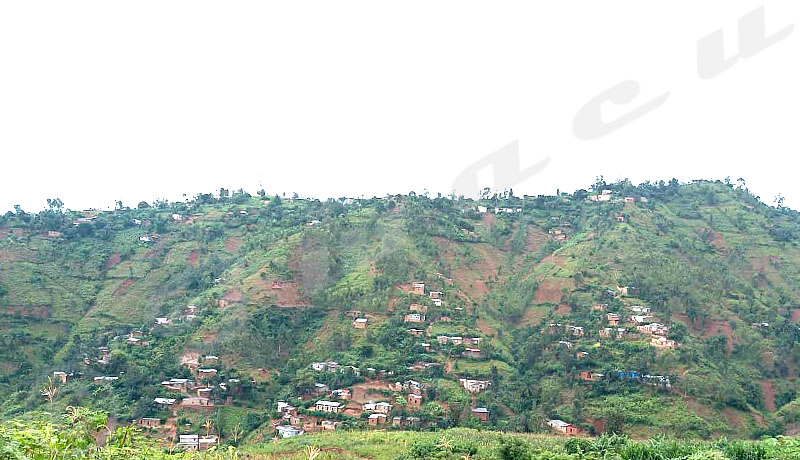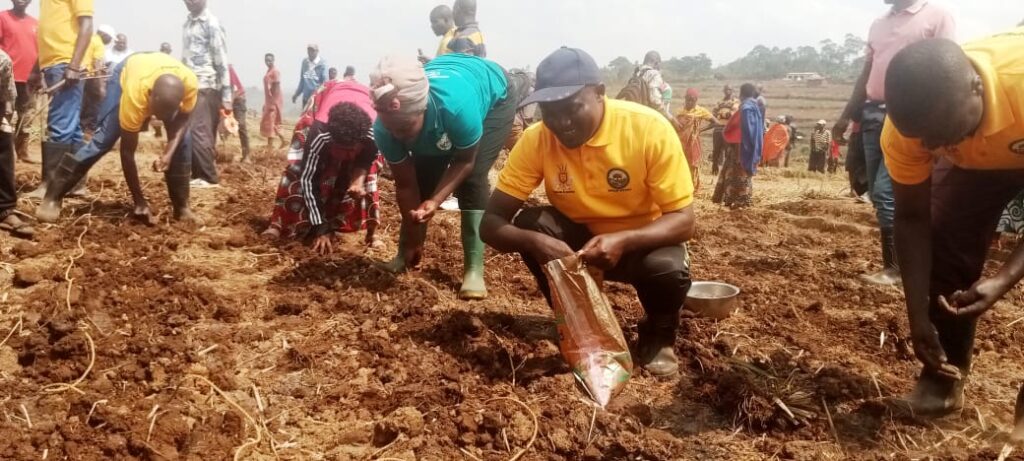
The Burundian government officially launched a significant campaign for the distribution and sowing of improved maize seeds, variety PAN 53, on Thursday, July 2, 2026. This key event took place in the Gasura zone, Taba hill, Kiganda commune, marking a concerted effort to boost agricultural productivity across the nation. The activities, which were strategically organized in the fertile Mubarazi marsh, were presided over by Séverin Sinzobatohana, Director Provincial of Environment, Agriculture and Livestock in Gitega, and Diane Irakoze, Communal Administrator of Kiganda. The government of Burundi provided these high-quality seeds, showing its commitment to supporting the agricultural sector. Currently, over 4,000 farmers, who are grouped into various cooperatives, cultivate more than 170 hectares within the Mubarazi marsh, benefiting from collective farming practices. This collaborative approach is central to the government's agricultural strategy.
Government's Agricultural Vision
The State has meticulously developed the perimeter in the Mubarazi marsh, integrating modern techniques to optimize land use and yield potential. This proactive initiative directly supports President Evariste Ndayishimiye's overarching vision, which places a strong emphasis on encouraging the formation and growth of cooperatives as a key driver for increased agricultural production. To make these vital inputs accessible, the government of Burundi is selling the improved maize seeds, variety PAN 53, at a significantly subsidized price, made possible through substantial financial support from the state.
Alongside this support, authorities issued a stern warning against any misuse of the distributed seeds. They explicitly stated that anyone found diverting or reselling these seeds will face severe sanctions, identifying such actions as detrimental to the country's development and progress. This strict stance aims to ensure the seeds reach their intended beneficiaries and are used for their designated purpose. The government also urged the population to redouble their efforts in agricultural activities. This call to action is intended to further enhance food security and overall production across the nation, fostering a more resilient and self-sufficient agricultural landscape.
Guidance for Farmers
Séverin Sinzobatohana, in his capacity as Director Provincial of Environment, Agriculture and Livestock in Gitega, delivered key advice to farmers during the launch. He strongly urged them to organize themselves into cooperatives, emphasizing the numerous advantages this structure offers. Mr. Sinzobatohana stated that working in cooperatives greatly facilitates the equitable and efficient distribution of essential agricultural inputs, including improved seeds, necessary fertilizers, and vital phytosanitary products. Beyond material resources, he noted that cooperatives also provide easier access to invaluable technical support and guidance, empowering farmers with the knowledge and skills needed for modern farming.
Farmers present at the event received clear instructions to sow their crops simultaneously. This coordinated approach, coupled with the exclusive utilization of selected and improved seeds, aims to mitigate potential damage from birds and various pests, thereby protecting the burgeoning yields from early threats. Mr. Sinzobatohana also showed the critical importance of regularly applying organic manure. He described organic manure as not only superior in quality but also more accessible to local farmers, noting its significant benefits for enhancing soil fertility and preventing soil degradation over time, thus ensuring long-term agricultural sustainability. It was clarified that the maize seeds distributed as part of this initiative are designated exclusively for cultivation in marshlands, which offer ideal conditions for this variety. Authorities indicated that seeds suitable for other types of terrain and ecological conditions would be made available to farmers at a later, appropriate date, ensuring that all agricultural areas receive suitable inputs.
Broader Agricultural Initiatives
Extending beyond maize cultivation, Séverin Sinzobatohana has called on administrative authorities and leaders of political parties to actively ensure that each household cultivates at least three avocado trees. This initiative is part of a broader strategy to diversify agricultural output and improve nutrition. The government is actively identifying specific fruit species, including avocados, that are best suited for planting on these plots, taking into account local climate and soil conditions.
Citizens are also urged to protect and diligently water existing avocado trees, particularly during the challenging dry season. This focused effort aims to address the significant challenge of increased food consumption during the dry season, a period when numerous social ceremonies often lead to a reduction in household food reserves. By promoting fruit tree cultivation and care, the government seeks to bolster food availability and nutritional security, contributing to the overall well-being of the Burundian population.