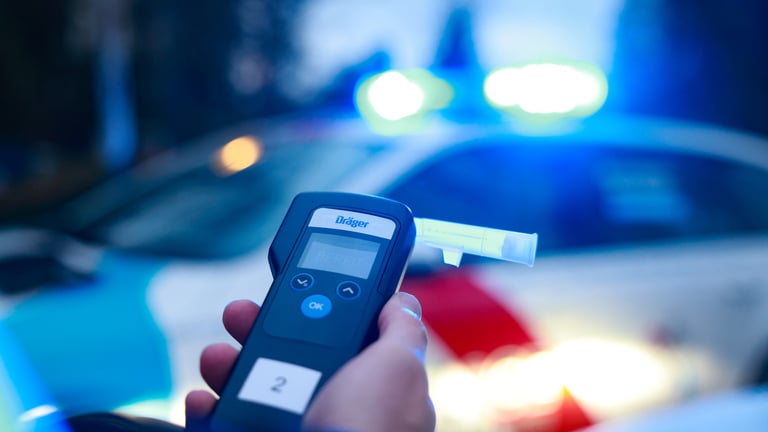
Drunk driving persists as a recurring behavior in Burundi, exposing numerous individuals to potentially tragic accidents. The issue continues to be a significant concern, with hundreds of people affected by incidents linked to impaired driving. Drunk driving remains a recurring behavior that continues to expose hundreds of people to sometimes tragic accidents, showing the severe risks involved. Authorities are reportedly grappling with the ongoing challenge of enforcing measures to curb these occurrences and enhance road safety across the nation. The persistent nature of this problem necessitates a re-evaluation of current strategies and a concerted effort to protect the public.
Witness Accounts of Danger
Diane Ndayiragije recounted an incident where a drunk driver nearly caused an accident while she was returning from a party with her family. "Nous avons vu un véhicule rouler à vive allure tout en effectuant des dépassements dangereux," Ndayiragije stated, describing the alarming speed and reckless maneuvers of the other vehicle. She added that her husband, who was driving cautiously, quickly noticed the dangerously approaching vehicle and immediately pulled over to avoid a collision. "Nous avons échappé à un accident de justesse," Ndayiragije said, emphasizing that such behavior should be "sévèrement découragé à travers des mesures fortes." She showed the importance of responsible choices, stating, "Si quelqu’un est en état d’ivresse, la meilleure décision reste de ne pas conduire." Ndayiragije advised waiting, seeking help, or finding alternative transportation rather than endangering oneself and others on the road. Her experience notes the immediate and serious threat posed by impaired drivers.
Expert Suggestions for Enforcement
Carlos Niyongere, a taxi driver, suggested that law enforcement should modify its approach to drunk driving. Niyongere stated, "La Police de roulage devrait changer de stratégie, multiplier les points de contrôle et surtout commencer les vérifications plus tôt." He emphasized the need for police to increase the number of checkpoints and initiate checks earlier in the day, rather than waiting for late hours. Carlos Niyongere, a taxi driver, specifically stated that police should change their strategy, multiply checkpoints, and start checks earlier to catch impaired drivers before incidents occur. Niyongere also noted a relaxed attitude among some individuals regarding alcohol consumption and driving. "Beaucoup prennent cela à la légère," he said, adding, "Certains pensent que quelques verres n’ont aucun effet, alors que l’alcool agit rapidement sur les réflexes et le comportement." He concluded by stressing the importance of prevention, noting, "On devrait davantage insister sur la prévention," suggesting that public awareness campaigns are key.
Public Opinion on Prevention
Testimonies gathered from road users on June 29, 2026, indicate a widespread belief that stricter measures are required to deter dangerous driving practices, particularly those involving impaired drivers. Testimonies collected on June 29, 2026, from road users specifically indicate that stricter measures are needed to discourage this dangerous practice, reflecting a broad consensus among the public. The public sentiment suggests a strong desire for enhanced enforcement and preventative strategies to combat the recurring issue of drunk driving. These accounts reflect a call for authorities to implement more stringent policies and increase oversight to ensure road safety. The recurring nature of such incidents has amplified public demand for decisive action, with citizens advocating for strong interventions to protect lives.
Broader Implications of Drunk Driving
Incidents of drunk driving are regularly observed in Bujumbura, particularly during weekend evenings or after celebrations. This pattern notes a persistent challenge for road safety in the capital city. The regular occurrence of impaired driving raises concerns about the broader implications for public health and law enforcement efforts. Authorities face an ongoing task in addressing these incidents, which contribute to accident rates and place a strain on emergency services. The consistent timing of these occurrences suggests a need for targeted interventions during peak risk periods, such as increased police presence and checkpoints. The issue shows the complexities involved in mitigating risks associated with alcohol consumption and driving behavior, requiring a multi-faceted approach involving education, enforcement, and public engagement. Addressing this challenge is vital for improving overall road safety and reducing preventable tragedies.