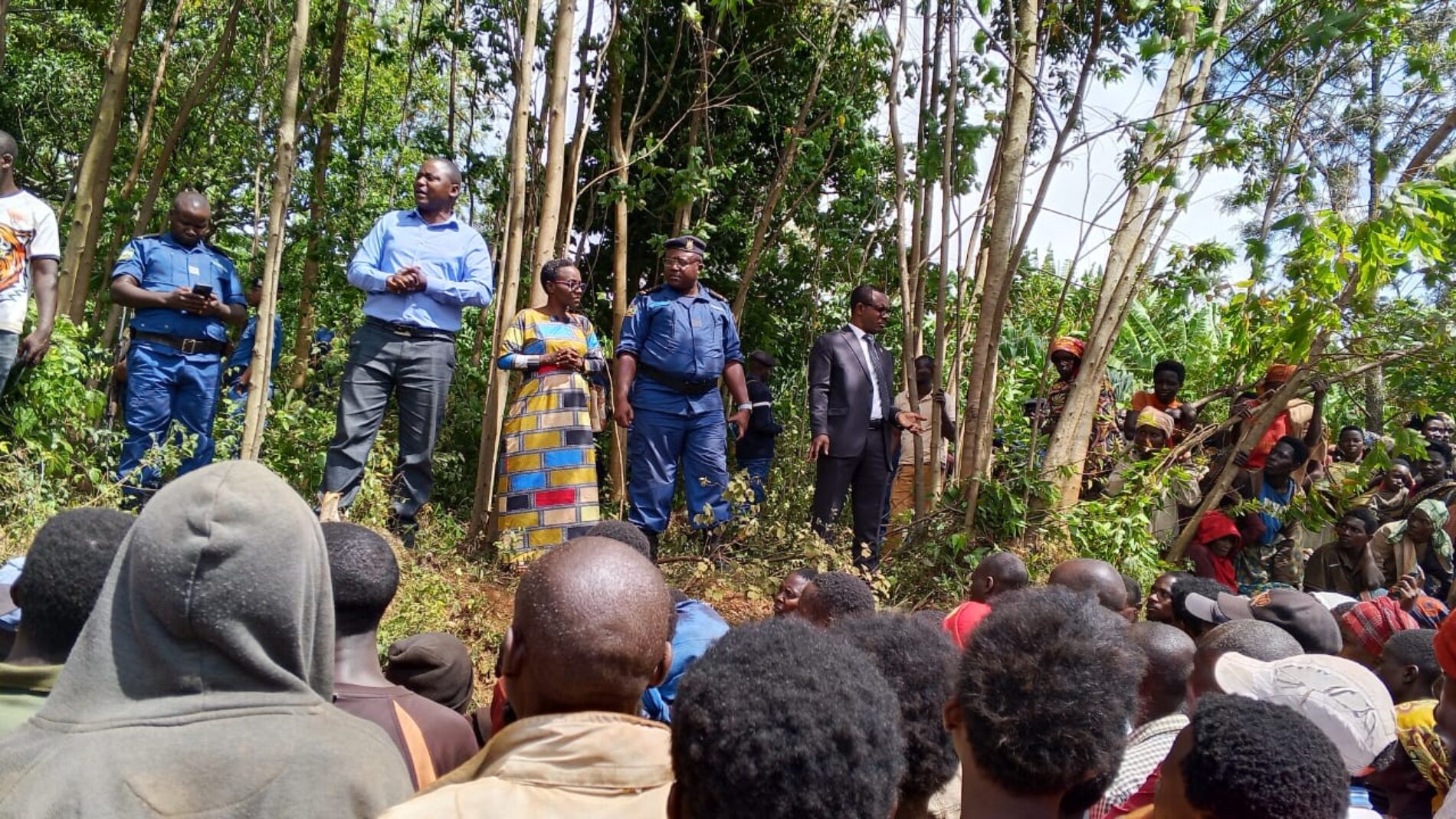
President Evariste Ndayishimiye addressed the nation on July 1st, during celebrations marking Burundi's 64th anniversary of independence. The President's remarks focused on the country's economic direction and future development, setting a tone for the nation's economic trajectory. This significant address, delivered on a day commemorating Burundi's independence, showed the critical nature of the decisions being made regarding state-owned enterprises and their roles in the national economy.
Original Mandate and Legal Standing
Sopebu, officially the Société pétrolière, was initially established with a clear and specific mandate: to supply Burundi with petroleum products. This foundational role was key for the country's energy security and economic stability. The legal foundation for Sopebu outlines its independence and operational structure, providing a framework for its operations within the Burundian state apparatus. Article 1 of the decree that created the company specifies that it is "endowed with legal personality, its own assets, and administrative and financial autonomy." This provision notes the intention to create a strong and self-sufficient entity capable of managing a vital national resource. The decree further stipulates that the petroleum company is "established for an indefinite period," ensuring its long-term presence and commitment to its core mission. It also clarifies the oversight mechanism, stating that Sopebu "is placed under the supervision of the Minister responsible for Energy," thereby establishing a direct line of accountability and strategic guidance. These detailed provisions define the company's original scope and its operational framework within the national infrastructure, emphasizing its specialized role in the petroleum sector.
Echoes of Past Mismanagement
Concerns about Sopebu's expanded role in mining are partly informed by past experiences with public enterprises managing critical resources. Historically, Regideso, the national entity responsible for water and electricity production and distribution, had been entrusted with the nation's fuel supply. This prior arrangement ultimately resulted in what has been described as a "fiasco," according to reports on the company's operational history. The difficulties encountered by Regideso in managing fuel distribution, a task outside its primary expertise, led to significant operational inefficiencies and economic setbacks. This past experience serves as a cautionary tale, prompting a critical examination of any proposed diversification of state-owned enterprises into new and complex sectors. The outcome of Regideso's involvement in fuel distribution has prompted scrutiny over the management and efficiency of state-owned enterprises within Burundi's economic framework, contributing to the current debate surrounding Sopebu's new ventures and their potential implications. The memory of this "fiasco" shows the importance of maintaining focus and expertise within state entities.
Economic Repercussions and Warnings
Sopebu, officially the Société pétrolière, is now described as multitasking, extending its operations from its original mandate of fuel management to include mining exploitation. This new direction has raised considerable concerns among economic observers regarding potential repercussions for Burundi's state finances and the broader economy. Observers note that such an expansion could strain the company's resources and divert focus from its primary role of ensuring a stable fuel supply for the nation, potentially jeopardizing a critical sector.
Abbas Mbazumutima, an economic analyst, voiced apprehension about the potential for Sopebu's financial health to deteriorate if the mining ventures prove unprofitable or encounter unforeseen challenges. He indicated that missteps in these new operations could necessitate governmental bailouts, thereby diverting public funds from essential services and development projects. Mbazumutima also noted the risk of creating a state monopoly in critical sectors, which could stifle competition and innovation within the Burundian economy. The analyst further suggested that the move could deter private investment in the mining sector, as potential investors might be hesitant to compete with a state-backed entity that enjoys inherent advantages. This shift, according to Mbazumutima, could create an uneven playing field, discouraging the very private sector development that is often key for sustainable economic growth. The shift is viewed by some as potentially undermining long-term economic stability by concentrating too much power and risk within a single state-owned enterprise, moving away from its specialized and vital original mandate.