Sylvane Ndayarinze, a septuagenarian, was found murdered in a field on Mwanda hill, Muramba zone, Bubanza commune, Bujumbura province, western Burundi. Initial findings from the scene indicated the victim was first struck with a club and subsequently slit with a machete. Authorities investigating the homicide are prioritizing the theory that a family land conflict led to the woman's death. This focus on an internal dispute suggests investigators are looking into the dynamics within Ms. Ndayarinze's family as a potential motive for the brutal killing.
Details of the Crime
Sylvane Ndayarinze's body was discovered on June 28 around 1 PM, bearing severe head injuries and a deep neck wound. The discovery of her body in such a state immediately raised concerns about the nature of the attack. Reports indicate that Ms. Ndayarinze had traveled to Mwanda hill on that day with the intention of harvesting oil palm bunches, a common agricultural activity in the region. She was accompanied by her grandson, Clovis Habimana, who is identified as a member of the Imbonerakure, the youth league associated with the ruling party. The presence of her grandson at the scene of the crime has become a central point of the investigation. The initial findings from the scene provided critical details, indicating that the victim was first struck with a club, causing significant trauma, and subsequently slit with a machete, suggesting a violent and deliberate attack.
Investigation and Suspect
Her 19-year-old grandson, Clovis Habimana, has been arrested in connection with Sylvane Ndayarinze's death. Authorities apprehended Habimana as part of the ongoing investigation into the killing. He is currently detained at the Bubanza communal police station, where he is undergoing questioning related to the incident. His detention marks a significant development in the case as investigators seek to understand his role in the events leading to his grandmother's death. Local administration officials have indicated that the murder may be connected to a land dispute within the family. This theory suggests that long-standing disagreements over property ownership could have escalated, leading to the fatal attack on Ms. Ndayarinze. The investigation continues to focus on this potential motive as police gather further evidence and testimony. The authorities are prioritizing the theory of a family land conflict, believing it to be the most plausible explanation for the violence. This focus shows the prevalence of land-related disputes as a source of conflict in some areas.
Broader Context of Violence
Bujumbura province ranks among the regions most affected by assassinations and the discovery of lifeless bodies in western Burundi. This regional context notes a broader pattern of violence within the country, raising concerns about security and stability. A few days prior to the murder of Sylvane Ndayarinze, Catholic bishops in Burundi had publicly expressed concern regarding an increase in assassinations, disappearances, and violations of fundamental rights across the nation. Their statement showed a growing apprehension among religious leaders about the deteriorating security situation and respect for human rights within Burundi. The bishops' intervention reflected a deep-seated worry about the escalating violence and its impact on the population.
Official Reactions and Concerns
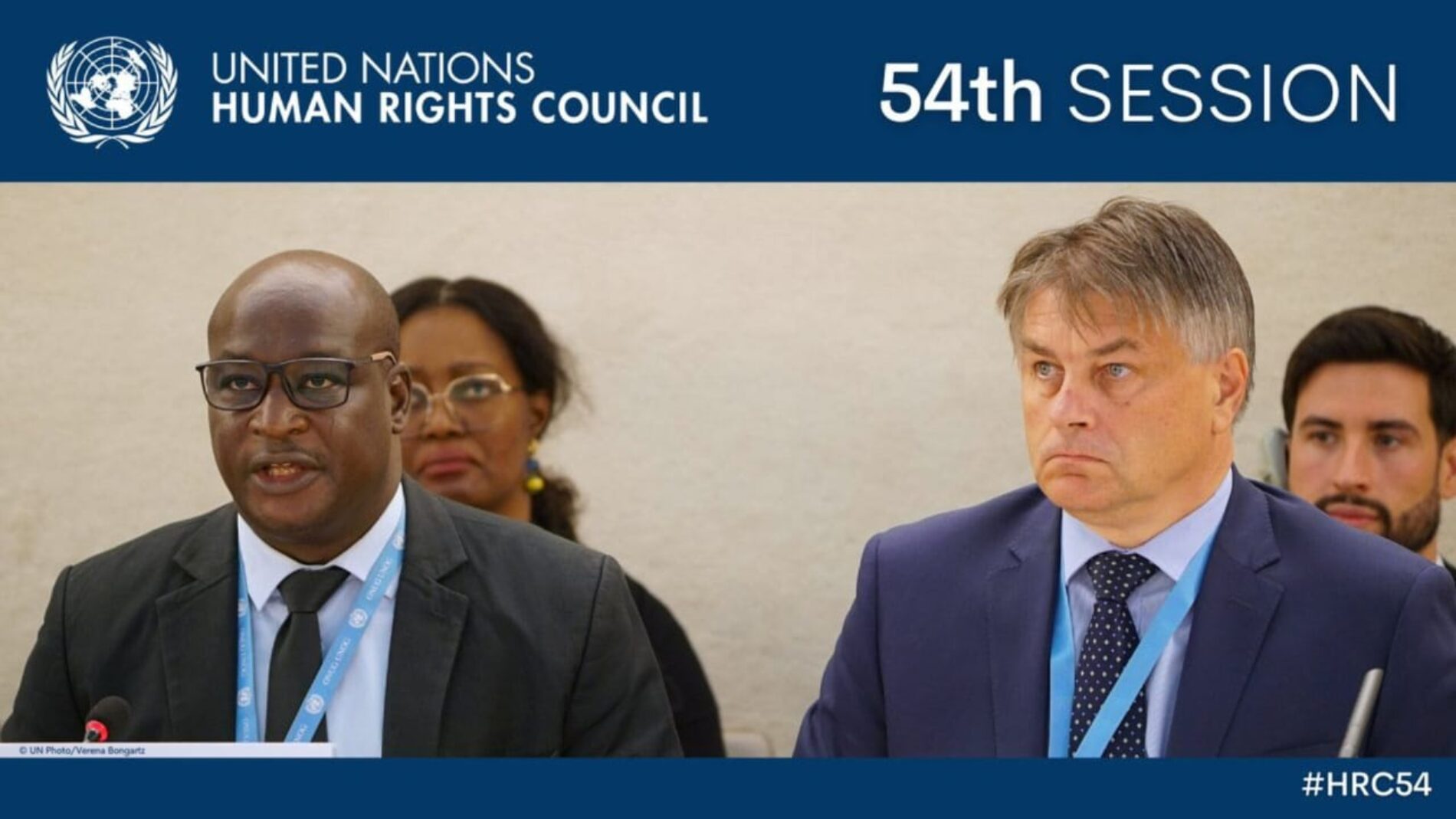
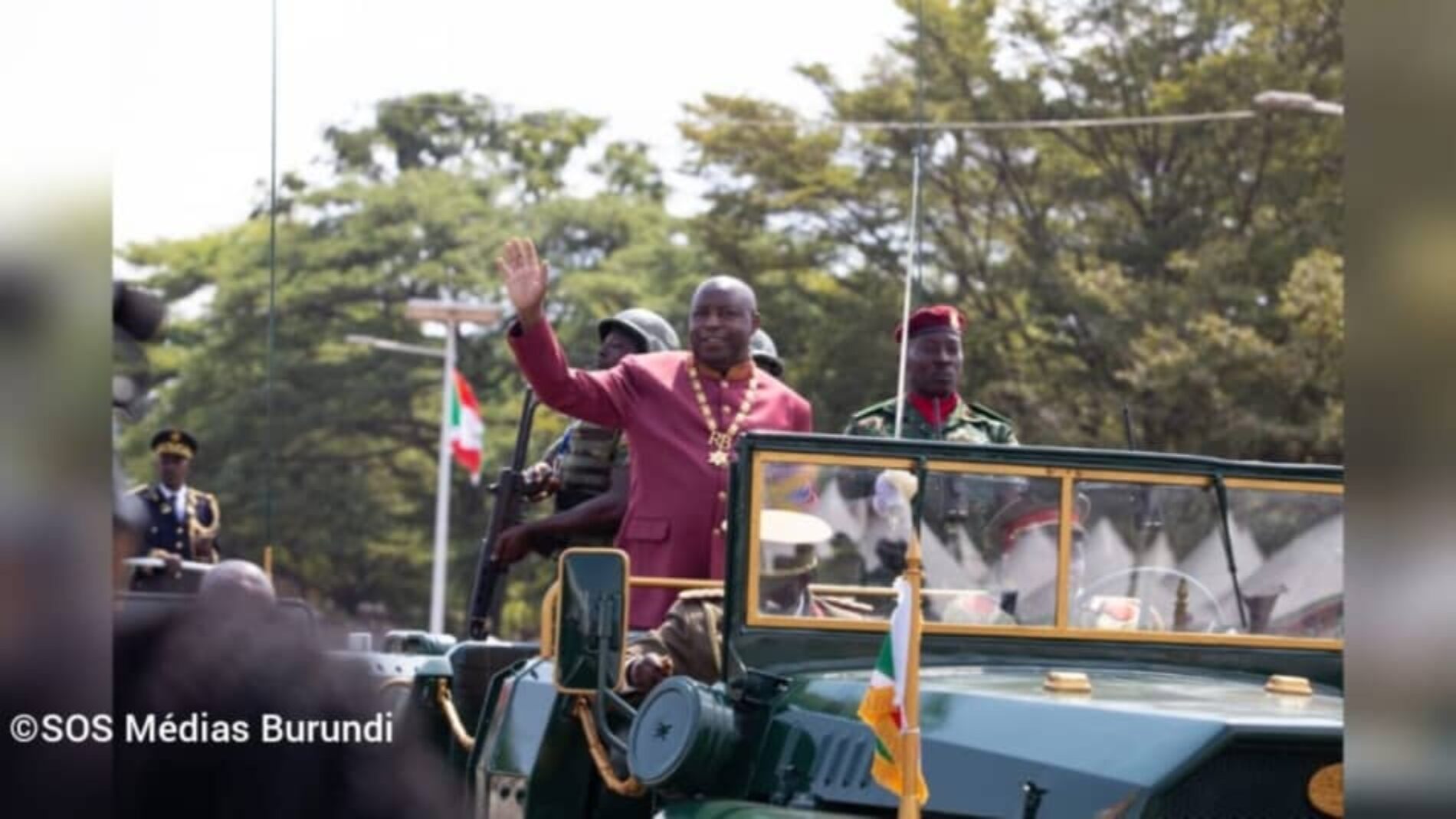
On June 29, Fortuné Gaëtan Zongo, the UN Special Rapporteur on the human rights situation in Burundi, publicly denounced the continued prevalence of extrajudicial executions, forced disappearances, torture, arbitrary arrests, and impunity in the country. Mr. Zongo's statement noted ongoing concerns regarding human rights violations, drawing international attention to the challenges faced by Burundi. His remarks echoed the sentiments expressed by the Catholic bishops, indicating a consensus among various observers about the gravity of the situation. Previously, President Évariste Ndayishimiye had dismissed such concerns, characterizing them as unfounded criticisms of his administration's record. President Ndayishimiye had called these concerns unfounded criticisms, suggesting a divergence in perception between the government and human rights monitors regarding the state of human rights in the country. Despite the official stance, the persistent reports from both national and international bodies continue to raise questions about accountability and protection of citizens' rights.