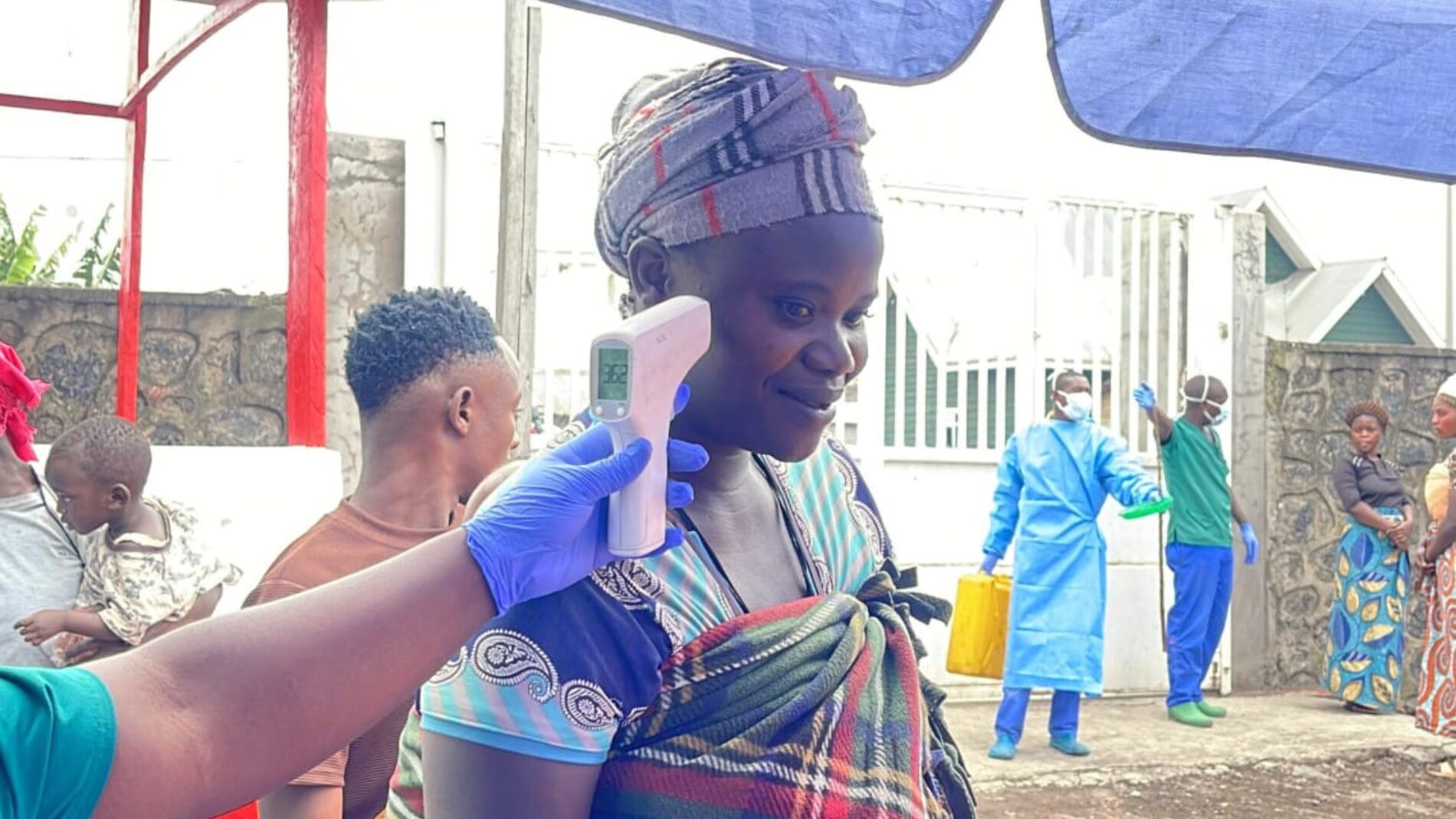
Hundreds of doctors, nurses, and health agents are battling Ebola in the Nord-Kivu and Ituri regions of the Democratic Republic of Congo. These dedicated medical teams operate across a wide array of critical settings, including Ebola treatment centers, local hospitals, advanced mobile laboratories, and even the most remote villages, all with the singular aim of containing and eradicating the deadly disease. The work is relentless and multifaceted, demanding a full approach from every member of the healthcare fraternity. Doctors on the front lines are tasked with the key responsibility of identifying suspect cases, often under challenging circumstances, providing immediate and sustained patient treatment, meticulously monitoring contacts of confirmed cases to prevent further spread, and ensuring full follow-up care for survivors, who often face lingering health issues and social stigma. This commitment comes with profound personal risk; since the onset of epidemics in the country, several medical personnel have tragically contracted Ebola themselves while delivering essential care to patients, showing the perilous nature of their mission.
Daily Dangers and Difficulties
Healthcare workers' daily routines frequently involve meticulously donning personal protective equipment (PPE) to prevent contamination, a critical procedure that demands precision and vigilance to prevent disease transmission. This rigorous process, which includes multiple layers of specialized gear, is not only time-consuming but also physically demanding, especially in the hot and humid climate prevalent in the region. The constant threat of insecurity from various armed groups operating in Nord-Kivu and Ituri consistently limits the movement of health teams, rendering certain localities inaccessible for extended periods, sometimes for days on end. This persistent instability not only endangers the lives of responders but also severely complicates efforts to reach affected populations with urgent medical aid and deliver essential services, creating pockets where the virus can spread unchecked. The inability to access these areas promptly can lead to delays in diagnosis, treatment, and contact tracing, significantly hindering the overall response.
Logistical difficulties further impede the response, presenting formidable obstacles to the timely and efficient delivery of life-saving resources. Transporting vital medical equipment, precious vaccines, and essential protective gear to remote regions is a monumental undertaking, often hampered by the country's challenging infrastructure. Degraded roads, which turn into impassable mud tracks during rainy seasons, damaged bridges that cut off entire communities, and unpredictable weather conditions frequently obstruct these critical movements, delaying supplies and personnel. In many affected areas, there are also limited diagnostic capacities, meaning that rapid and accurate testing for Ebola is not readily available. Coupled with an insufficient number of treatment centers, this strains the healthcare system's ability to manage cases effectively, leading to potential overcrowding in existing facilities or, worse, patients remaining untreated in their communities, increasing the risk of transmission. The lack of strong infrastructure and resources in these remote areas creates a complex web of challenges that health teams must navigate daily.
Healthcare professionals face significant psychological pressure, frequently witnessing immense suffering and death among patients, including children and entire families. This constant exposure to traumatic events, the emotional burden of caring for critically ill individuals, and the grief over lives lost contribute significantly to mental health challenges for those on the front lines. The cumulative stress of working in such high-stakes, high-risk environments can take a heavy toll, often leading to burnout, anxiety, and depression among dedicated staff. Despite these overwhelming obstacles, Ebola survivors contribute immensely to the response by sharing their personal experiences, offering invaluable insights into the disease and recovery process. Their unique perspectives not only help in understanding the virus better but also play a key role in aiding community engagement efforts, as their stories resonate deeply with affected populations and help dispel myths.
Overcoming Community Mistrust
Community mistrust, widespread rumors, widespread misinformation, and outright refusal to cooperate pose significant and persistent challenges for health teams operating in the Democratic Republic of Congo. These deeply rooted factors complicate efforts to control Ebola outbreaks at every stage, affecting everything from the critical process of contact tracing to the implementation of safe burial practices, which are vital for preventing further transmission. Health workers frequently encounter communities where false narratives about the virus or the response efforts undermine public health interventions, making their work exponentially harder. This skepticism, often fueled by a lack of understanding, historical grievances related to past interventions, or politically motivated disinformation, leads to significant resistance against key vaccination campaigns and the establishment of much-needed Ebola treatment centers.
The rapid and unchecked spread of misinformation through various channels, including social media, local gossip networks, and even traditional leaders, can create an environment where essential public health messages are dismissed outright. This makes it incredibly difficult for responders to gain the necessary trust for effective disease control. When communities harbor deep-seated distrust in health initiatives, individuals may actively hide symptoms, delay or avoid seeking medical care, or refuse to isolate themselves, inadvertently contributing to further transmission chains within their families and communities. This resistance can also manifest as outright hostility towards medical personnel, endangering those on the front lines who are only trying to help. Addressing this deep-seated mistrust requires consistent, patient engagement, clear and transparent communication, and culturally sensitive approaches tailored to the specific concerns and beliefs of each community. Health teams often dedicate considerable time and resources to community outreach programs, aiming to build rapport, listen to local concerns, and educate residents about the disease, its prevention strategies, and the benefits of medical intervention. Overcoming these profound barriers is not merely an ancillary task but is absolutely key for the success of any Ebola response, as genuine community acceptance and active participation are fundamental to effectively containing the spread of the virus and ultimately saving lives.
Resilience and Motivation
Healthcare professionals in the Democratic Republic of Congo employ several vital strategies to sustain their strenuous efforts against Ebola, demonstrating remarkable resilience in the face of adversity. Among these are fostering strong solidarity with colleagues, which provides a key support network in emotionally taxing environments; engaging in continuous training and capacity building to stay abreast of the latest medical protocols and research; participating actively in community dialogue with local leaders to build trust and ensure culturally appropriate interventions; and drawing upon profound personal motivation and a deep sense of duty, according to reports from the field. These integrated approaches collectively help health teams navigate the complex challenges posed by the epidemic and the demanding, often hostile, environment in which they operate. Their unwavering commitment is a testament to their professionalism and humanitarian spirit.
Vaccination teams, for instance, undertake extensive and often perilous journeys to bring life-saving services to the most remote and hard-to-reach areas. These dedicated teams travel significant distances, often on foot or by motorcycle over rugged terrain, to reach isolated villages, ensuring that individuals exposed to the virus can receive vaccinations as quickly as possible. This proactive effort is absolutely critical for containing outbreaks, particularly in regions where infrastructure is severely limited and access is inherently difficult. The sheer dedication to reaching every affected community, no matter how remote or challenging the journey, shows the profound commitment of these healthcare workers to public health and their determination to interrupt the chain of transmission. Their work extends beyond clinics, reaching into the heart of communities to provide essential care and education where it is most needed, embodying the true spirit of medical heroism in the Democratic Republic of Congo.