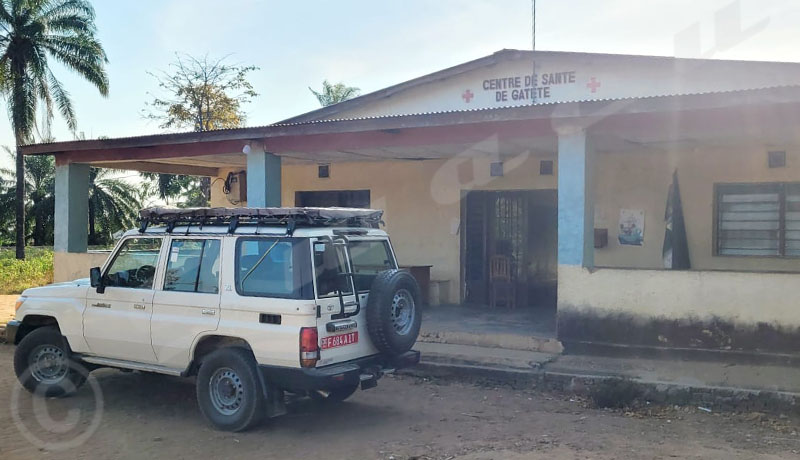
Healthcare services in Rumonge and Bururi provinces are experiencing significant disruptions due to staff and supply shortages, forcing patients to seek care further afield and leaving infrastructure projects unfinished. The challenges span from essential medical treatments to basic infrastructure, impacting the daily lives of residents and the operational capacity of medical facilities. In the Gatete area, a local health center has been unable to provide intravenous (IV) treatments for several weeks, compelling patients to travel to the Rumonge hospital for these essential services. This specific instance notes a broader pattern of service unavailability that forces patients to undertake often arduous journeys to access necessary care.
Medical staff is insufficient in health centers across the region, according to local reports. This scarcity affects the quality and accessibility of care, leading to overburdened facilities and exhausted personnel. The construction of the Kigwena communal hospital in Rumonge has been interrupted for nearly a year, contributing to the strain on existing medical facilities. The prolonged halt in construction means that anticipated improvements in healthcare capacity remain unrealized, exacerbating the current shortages. The combination of understaffing and stalled development projects creates a critical bottleneck in the provision of healthcare services.
Service and Staffing Deficiencies
Existing health infrastructure is insufficient to meet demand, resulting in extended waiting times for patients, including those in critical condition. This inadequacy means that even when facilities are available, the sheer volume of patients overwhelms the system, delaying urgent care. In Bururi province, residents frequently encounter difficulties in accessing satisfactory medical care, with reports indicating that doctors are sometimes unavailable at local health centers. This intermittent presence of medical professionals further complicates access, forcing patients to return multiple times or seek care elsewhere. The lack of consistent medical personnel reduces trust in the local health system and places additional burdens on patients.
The departure of doctors for positions abroad remains limited within Bururi province; however, the region faces a significant shortage of specialized medical personnel. While the overall number of doctors might not be drastically declining due to international migration, the critical gap in specialized fields persists. This scarcity often necessitates that health centers seek support from doctors based in Bujumbura to address complex medical cases. Relying on external support from the capital city introduces delays and logistical challenges, impacting timely and specialized treatment. These challenges contribute to the overall strain on healthcare services in the area, making it difficult for patients to receive full care close to home. The absence of specialists means that many advanced medical procedures and diagnoses cannot be performed locally, requiring patients to travel long distances for expert consultations.
Medication and Supply Chain Issues
Medications are frequently unavailable in numerous health structures, compelling residents to acquire them from private pharmacies. This situation contributes to the challenges faced by patients seeking medical care in the region, as private pharmacies may be more expensive or not always accessible. The inability to obtain prescribed medications directly from health centers adds an additional financial and logistical burden on patients. This forces many to navigate a fragmented system, often at greater personal cost.
Health structures in Bururi province encounter frequent drug shortages, particularly affecting patients covered by public sector or health insurance schemes. The scarcity means that essential medicines are not consistently available through official channels, impacting those who rely on these systems for their healthcare needs. As a result, patients are often left with no option but to turn to private vendors, potentially incurring additional costs. This disparity in access creates a two-tiered system where those with the financial means can purchase necessary medications, while those dependent on public schemes may go without. The impact is especially severe for individuals with chronic illnesses, who require a consistent supply of medication to manage their conditions effectively.
Some pharmaceutical products have become entirely unavailable in pharmacies located in Bururi. This widespread unavailability of certain medicines exacerbates the healthcare crisis, as residents cannot access critical treatments even through private purchases. The deficit of these specific products indicates a broader disruption in the supply chain, affecting both public and private healthcare access in the province. This complete absence of certain medications creates critical gaps in treatment options, potentially leading to adverse health outcomes for affected populations. The supply chain issues are not limited to a few isolated cases but represent a systemic problem affecting the entire region's ability to stock essential drugs. This situation points to underlying problems in procurement, distribution, or manufacturing that need urgent attention to restore consistent access to vital medicines.
Infrastructure and Development Challenges
Hospitalization beds are insufficient in some health centers located in Bururi province, according to local reports. This shortage directly impacts the capacity of facilities to admit and treat patients requiring inpatient care, leading to overcrowding or the need to turn patients away. Additionally, several areas within Bururi province face challenges with access to drinking water, a factor that contributes to the spread of hygiene-related diseases. The lack of clean water not only affects patient hygiene but also the overall sanitation standards within health facilities themselves, potentially increasing the risk of infections. Despite these infrastructure issues, the communal hospital of Buyengero in Rumonge is currently functional, providing a ray of hope amidst the broader challenges.
Rumonge commune's hospitals are already supplied with electricity, providing a stable power source for medical operations in that area. This reliable power supply is key for operating medical equipment, maintaining cold chains for vaccines and medicines, and ensuring lighting for night-time procedures. In Bururi, water supply interruptions lasting one to two days are sometimes recorded, but health structures are prioritized to minimize disruption to patient care. This prioritization helps mitigate some of the immediate impacts on medical services, but the underlying issue of inconsistent water supply remains a concern for general public health. Further support for energy infrastructure comes from the Soleil Nyakiriza project, which is actively installing solar panels and providing assistance to some health centers and laboratories in Bururi. This initiative aims to enhance energy independence and reliability for critical medical facilities, especially in areas where grid electricity is unreliable or non-existent.
While some facilities are operational or receiving upgrades, other development projects face setbacks. The Vyanda communal hospital in Bururi has been completed, adding to the region's medical capacity and offering improved services to its catchment area. However, construction work for the Rutovu hospital, also in Bururi, is currently at a standstill. This halt in construction delays the expansion of much-needed healthcare infrastructure. A hospital that had been planned for construction in Bururi province has not yet been built, contributing to the ongoing infrastructure challenges in the region. The failure to complete or even start planned projects means that the healthcare system is unable to grow to meet increasing demands, leaving communities underserved. These unfulfilled promises of new facilities add to the frustration of residents who continue to struggle with inadequate medical access.
Resident and Official Perspectives
The healthcare situation is particularly concerning for individuals with chronic illnesses in the region, who require regular medication to manage their conditions. For these patients, the frequent unavailability of drugs and the need to travel long distances for care can have severe health consequences, leading to complications or worsening of their conditions. In Bururi, some health centers and their surrounding households still lack connection to the electrical grid. This absence of reliable power affects the overall operational capacity of these facilities, impacting medical services and the daily lives of residents in the vicinity. The lack of consistent electricity poses significant challenges for storing medicines that require refrigeration and for powering essential medical equipment, such as diagnostic tools or surgical lights.
The reliance on alternative power sources, or the complete absence of power, severely limits the types of services that can be offered and the hours of operation for these health centers. This infrastructural deficit shows the deep-seated challenges facing healthcare provision in the region, extending beyond just staffing and supplies to fundamental utilities. The impact on households around these centers also notes the broader developmental disparities, where basic amenities are still not universally available. Addressing these foundational issues is critical for establishing a strong and resilient healthcare system capable of serving the needs of all residents in Rumonge and Bururi provinces. The ongoing efforts by projects like Soleil Nyakiriza to install solar panels represent a step towards alleviating some of these energy-related challenges, but a full approach is needed to tackle the multifaceted crisis.