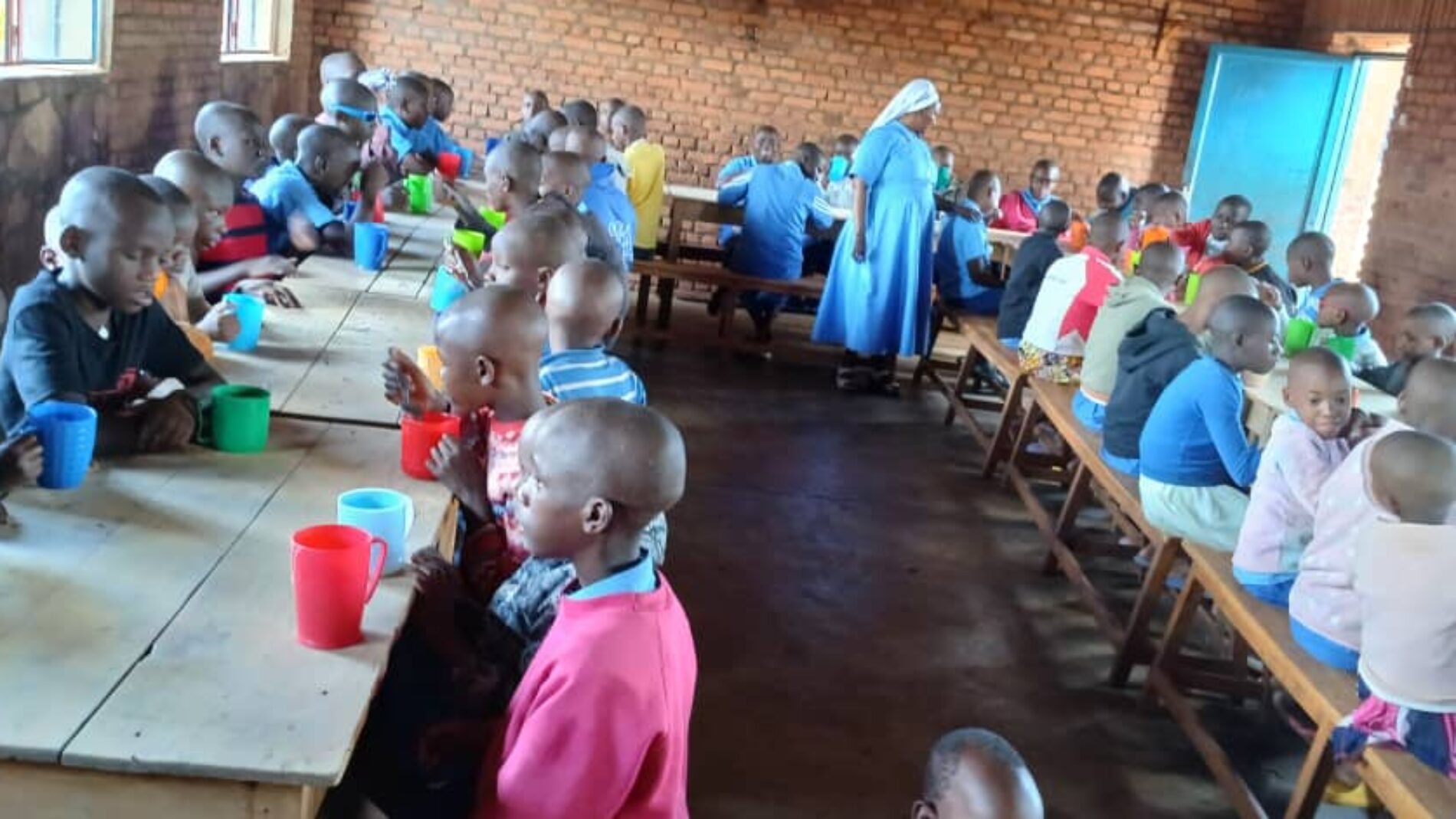
L’École fondamentale Santa Lucia de Mushasha, located in Gitega, Burundi's political capital, is appealing for urgent assistance. The school, which exclusively admits blind children from the 1st to the 6th fundamental year, faces significant operational challenges that threaten its ability to provide essential education and care. This specialized institution caters specifically to the unique educational needs of visually impaired students within the region. Among its most pressing needs are recurrent shortages of braille paper, essential for its students' education and daily learning activities. The institution also experiences difficulties in consistently providing daily meals for its boarders, impacting the welfare and nutritional well-being of its young students. These challenges show a critical need for external support to ensure the school can continue its vital mission.
Critical Infrastructure and Resource Gaps
The Gitega School for Blind Children requires 60 beds and 60 mattresses to adequately accommodate its boarders. The current lack of these essential furnishings means that students may not have comfortable or sufficient sleeping arrangements, directly affecting their rest and overall health. The institution currently operates with only one embosser machine, which is used for printing essential braille documents for its students. This single machine represents a significant bottleneck in producing the specialized educational materials vital for the curriculum, potentially delaying the creation of learning resources and limiting the scope of available texts for the 66 blind children it educates. The reliance on a solitary embosser machine notes a vulnerability in the school's operational capacity, as any malfunction could severely disrupt the educational process.
Several buildings within the school grounds are in dire need of rehabilitation and extension work, indicating a broader infrastructural deficit impacting the learning environment and living conditions for both students and staff. Addressing these structural deficiencies is key for creating a safe, modern, and conducive educational space. The school lacks a dedicated Goalball court, which is a specialized sport designed for students with visual impairments. The absence of such facilities limits the school's capacity to offer full physical education and recreational activities tailored to its students' needs, thereby hindering their physical development and social engagement. These resource gaps collectively hinder the school's ability to provide a fully supportive and enriching educational experience for its visually impaired students. Addressing these critical infrastructure shortcomings is essential for improving the overall welfare and academic prospects of the children attending the institution.
Socioeconomic Challenges for Students
Many of the children attending the Gitega School for Blind Children originate from impoverished families. This socioeconomic reality presents significant challenges for both the students and the institution, extending beyond the classroom into their personal lives. Financial constraints mean that many students lack the resources required to cover transportation costs to their homes during school holiday periods. This situation often results in children remaining at the school when their peers travel, noting a critical need for support to ensure students can maintain connections with their families and communities. The inability to travel home can lead to feelings of isolation and further strain on the school's resources during holiday periods. The school's appeal for aid extends beyond educational materials and infrastructure, encompassing basic needs that impact the students' overall well-being and their ability to fully participate in school life and family connections. Addressing these socioeconomic hurdles is key for providing a stable and supportive environment for the visually impaired children in Gitega.
Staffing and Future Needs
The L’École fondamentale Santa Lucia de Mushasha faces critical staffing challenges as two teachers, who are currently responsible for 5th and 6th-grade classes, are nearing retirement. The school has identified the replacement of these experienced educators as essential for maintaining the continuity and quality of instruction for its visually impaired students. The specialized nature of teaching blind children requires specific skills and experience, making the recruitment of qualified replacements a priority. Securing new, qualified teachers for these key grades is critical to prevent disruptions in the educational program and ensure that the 66 students continue to receive the high-quality, specialized instruction they deserve. The impending retirements show the need for proactive measures to ensure the school can continue to provide specialized education effectively. The institution's long-term sustainability hinges on addressing these personnel gaps promptly and strategically.
Director's Plea for Support
The L'École fondamentale Santa Lucia de Mushasha currently educates 66 blind children, providing them with their only access to specialized education in the region. For the families of these students, healthcare expenses represent a significant financial burden. This situation strains household budgets, making it challenging for parents to meet their children's medical needs alongside other requirements, often leading to difficult choices. The cumulative effect of these challenges places immense pressure on the school and the families it serves, making the director's appeal for full and sustained support more urgent than ever.