Mpanda rice farmers are facing a severe water shortage during the current, unusually prolonged cultural season B, impacting agricultural production in the region. The scarcity comes as farmers in Mpanda, a region within Burundi's Bujumbura province, struggle to irrigate their fields. This critical situation is unfolding on June 26, 2026, prompting deep concerns among the local farming community regarding their livelihoods and the upcoming harvest. The lack of sufficient water is threatening the viability of their crops, which are essential for food security and economic stability in the area.
Drought Impacts Harvest
The water scarcity is severely affecting the Mpanda rice-growing perimeter and surrounding areas in Bujumbura province, located in western Burundi. This agriculturally vital area is managed by the Société régionale de développement de l’Imbo (SRDI), an entity responsible for regional development and infrastructure. The president of the Mpanda rice growers' cooperative has issued a stark warning, estimating that less than half of the approximately 20 hectares planted may reach maturity due to the ongoing water deficit. This assessment points to a significant and potentially devastating impact on agricultural production, showing the severity of the crisis. The limited water supply directly threatens the harvest for a substantial portion of the cultivated land within the perimeter, putting thousands of farmers and their families at risk. The prolonged dry spell has exacerbated existing challenges, making it difficult for farmers to maintain optimal growing conditions for their rice crops.
Allegations of Unfair Distribution
Amidst the severe drought, farmers in Mpanda have accused a group of Imbonerakure members, who are affiliated with the CNDD-FDD party's youth league, of interfering with irrigation water management. These farmers claim that the individuals are actively prioritizing certain agricultural producers over others in the key allocation of water resources. Reports from some farmers indicate a troubling pattern: consistent access to water is primarily granted to those with financial resources or influential connections within the community. This alleged favoritism creates an uneven playing field, disadvantaging many small-scale farmers who lack such means or connections.
The situation has led to widespread frustration and calls for intervention. Amid these concerns, rice farmers are requesting urgent measures to enhance the water supply to the irrigation canals. They emphasize the critical need for increased water availability to sustain their crops during the ongoing drought, noting that an equitable distribution system is critical. The allegations point to a system where water distribution may not be equitable, exacerbating the challenges faced by many in the agricultural community and threatening the principle of fair access to essential resources.
Official Response and Context
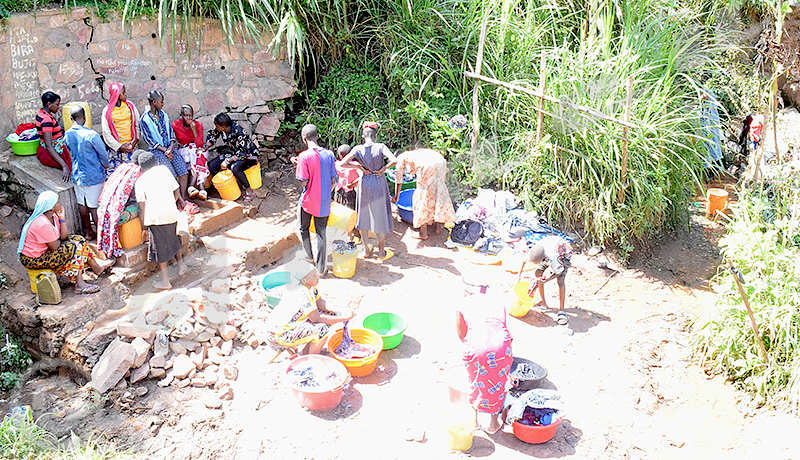
The management of the Société régionale de développement de l’Imbo (SRDI) has publicly acknowledged a significant reduction in the flow of the Gifugwe river, which serves as the primary water source for the region's irrigation system. This decrease in water volume is directly attributed to the ongoing dry season, which has been unusually prolonged this year.
SRDI officials suggest that the responsibility for water distribution management should be transferred to the local administration, advocating for improved organizational structures to handle allocations more effectively and transparently. A source within the SRDI, speaking on condition of anonymity, indicated that irregularities observed in water distribution are linked to external interventions, operating outside the established official management system. This statement implies that unauthorized individuals or groups may be circumventing formal procedures, contributing to the perceived unfairness. The SRDI's call for local administration oversight reflects a desire for a more structured and accountable system to ensure that all farmers have a fair chance at irrigating their fields, especially during times of severe water scarcity.