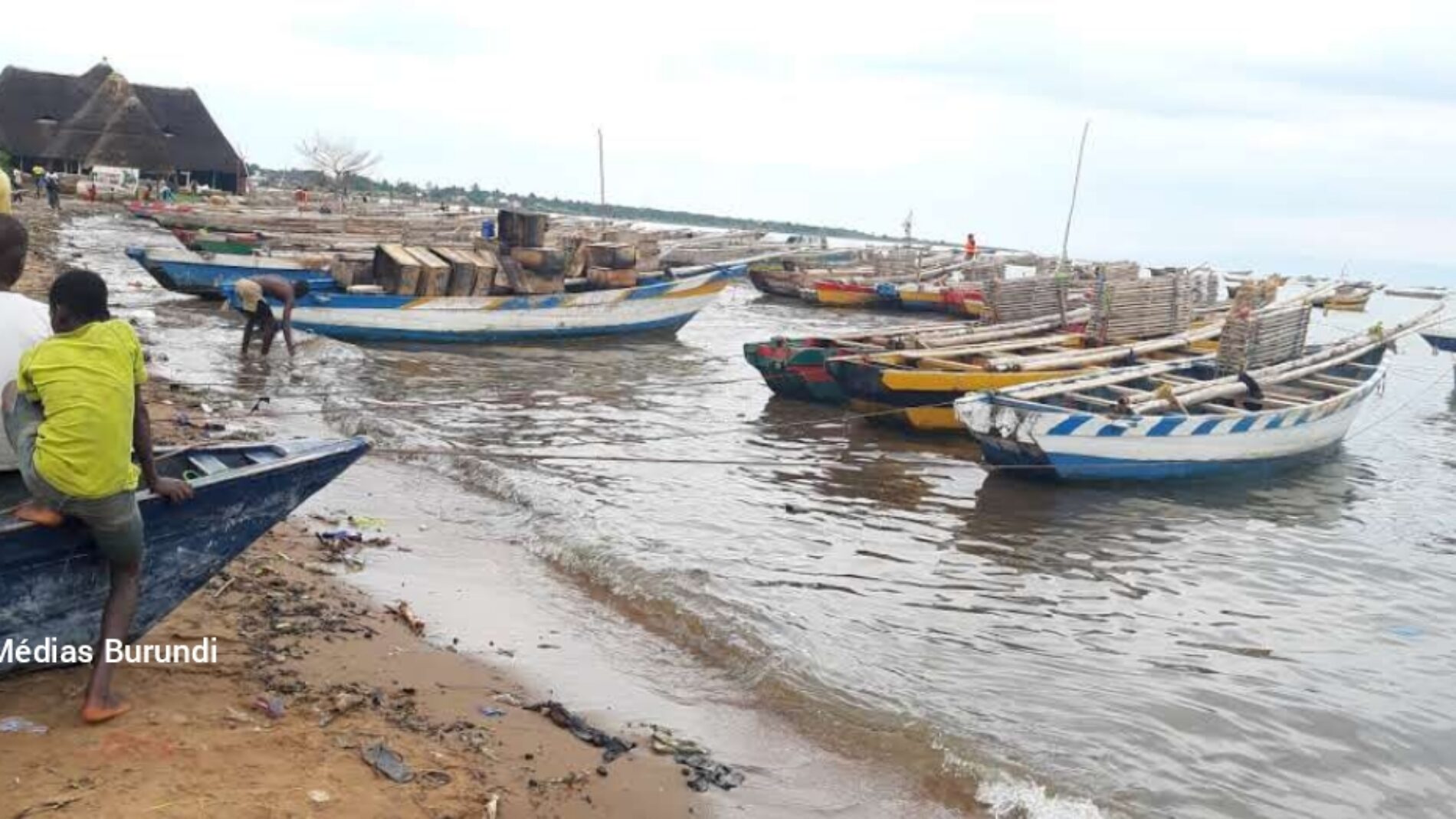
Kajaga, a locality situated strategically on the shores of Lake Tanganyika near the lacustrine border with the Democratic Republic of Congo (RDC) in the northern periphery of Bujumbura, faces growing concerns regarding a potential Ebola incursion. Fishermen in the area are particularly worried about the possibility of Ebola entering their community due to significant cross-border mobility and the perceived lack of adequate preventive measures. Almost daily, boats from the RDC circulate in the waters near the lacustrine border, creating a constant flow of interaction that contributes to fears of disease transmission in the region. This regular movement of people and goods across the lake poses a unique challenge for public health officials.
Concerns Over Border Mobility
Daily exchanges with Congolese counterparts and a lack of visibly implemented preventive measures are fueling anxieties in Kajaga, an area characterized by its high degree of cross-border mobility. Citizens in the region frequently interact with individuals from the Democratic Republic of Congo, leading to heightened anxieties about potential disease transmission. Reporters from SOS Médias Burundi observed that many residents struggled to identify any preventive devices or tangible measures implemented on the ground to mitigate such public health risks. This perceived absence of visible safeguards contributes significantly to fears among the local population regarding the entry of infectious diseases across the border, particularly given the historical presence of Ebola in the neighboring RDC. The porous nature of the border, facilitated by the lake, makes traditional land-based surveillance methods less effective, adding to the community's apprehension.
Infrastructure and Water Access Issues
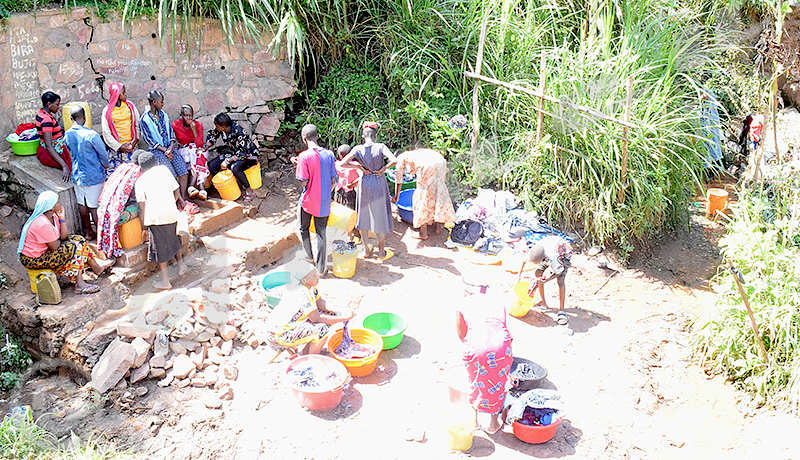
Fishermen in Kajaga fear the potential introduction of the Ebola virus disease, a concern exacerbated by local infrastructure challenges that compromise hygiene and sanitation. Several water fountains that previously supplied the site with clean water were destroyed or carried away by floods. These floods were caused by the rise of Lake Tanganyika's waters in 2023, severely impacting essential water access for the community. The loss of these vital facilities complicates daily life significantly, making basic hygiene practices more difficult to maintain and adding another layer of vulnerability for residents already anxious about cross-border public health risks. Access to clean water is a fundamental component of disease prevention, and its disruption makes the community feel even more exposed.
Government Assurances and Actions
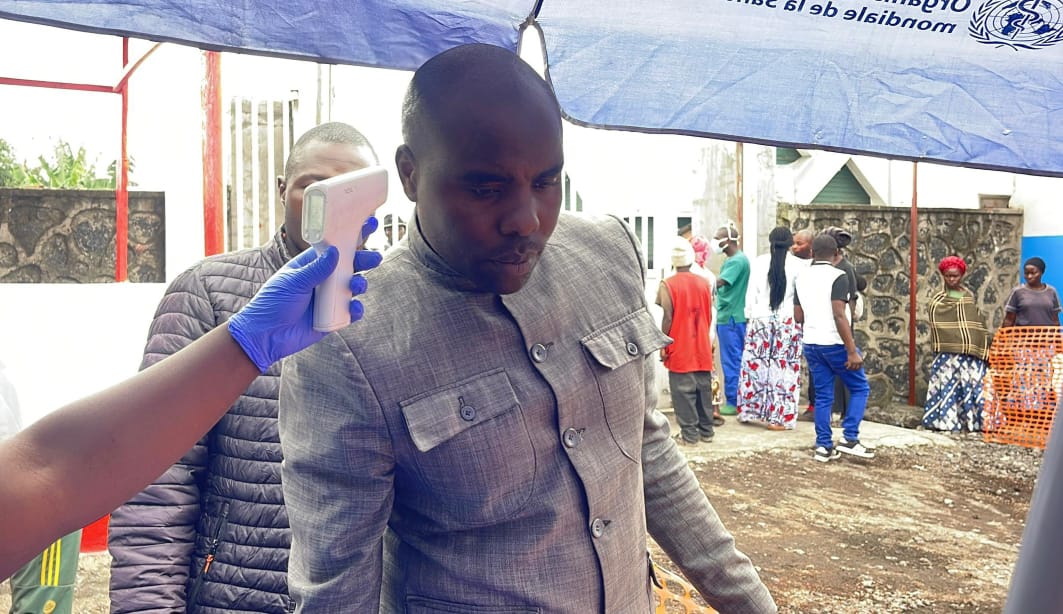
Despite these localized concerns and reports from residents, the government has been taking steps to address the situation. Residents in several border localities report not observing regular health checks or sufficiently visible prevention mechanisms, which contributes to local unease. In response to the broader public health challenge, teams of health agents have been strategically deployed across various provinces and communes, with particular attention given to border posts shared with the Democratic Republic of Congo. The Minister of Public Health and Fight against AIDS, Dr. Fidèle Nkezabahizi, stated that the government is continuing awareness campaigns focused on hygiene measures. He reiterated the importance of these campaigns in mitigating potential health risks, emphasizing that public education is a key component of their strategy. The deployment of health teams aims to bolster surveillance and response capabilities in vulnerable border areas, working to establish a more strong defense against potential disease incursions.
Fishermen's Voices
Interactions between fishermen from both the Democratic Republic of Congo and Burundi are frequent in the waters of Lake Tanganyika, a common fishing ground and vital economic artery for communities on both sides. This regular cross-border activity, which is an almost daily occurrence, heightens concern among Kajaga's fishing community regarding the potential for Ebola transmission, according to local residents. The close proximity and constant contact inherent in their profession make them particularly sensitive to the risks associated with cross-border movement, especially in the absence of readily apparent health screening or prevention protocols at their points of interaction. Their livelihoods depend on these interactions, yet they also recognize the inherent public health risks.