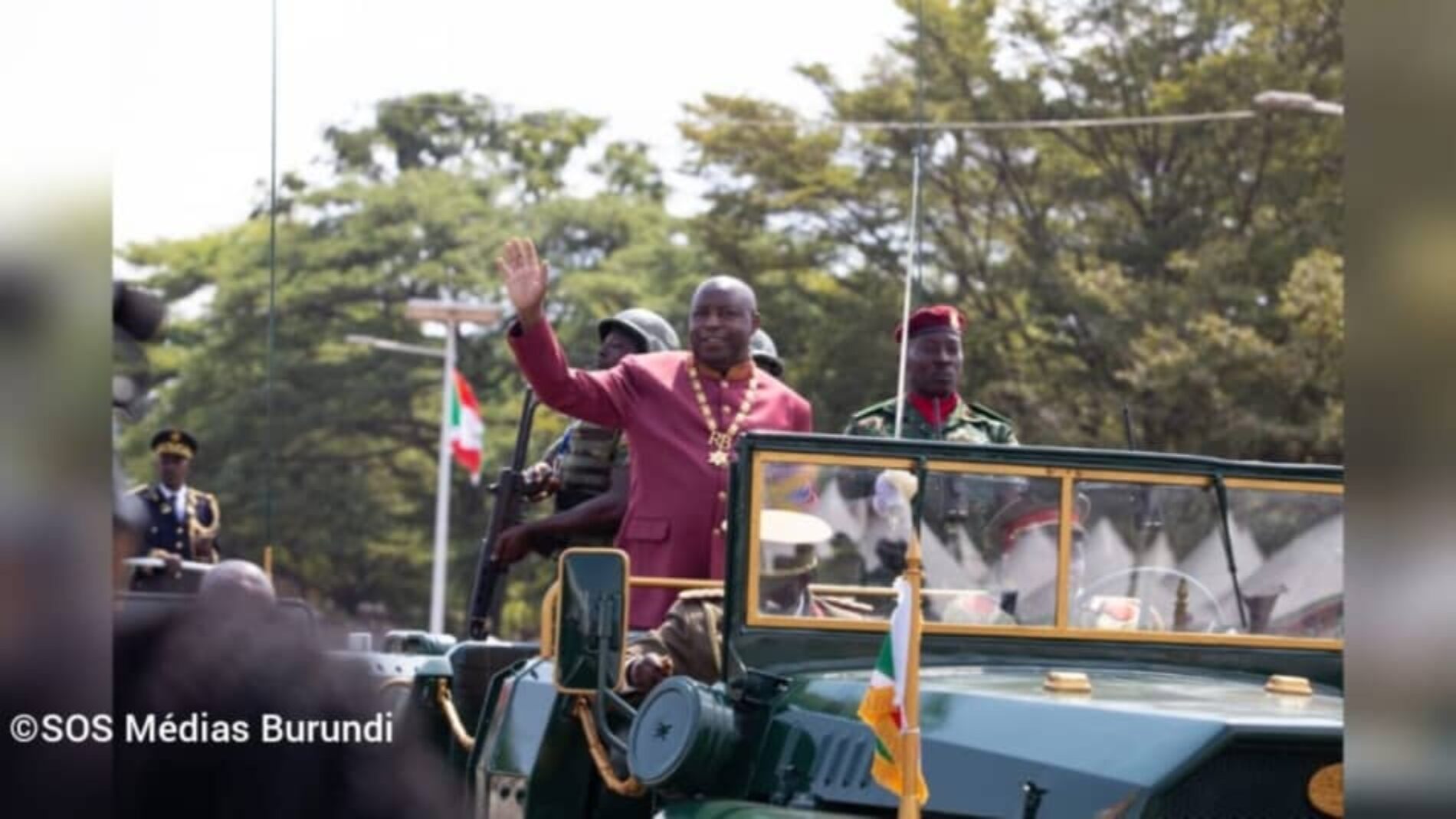
Burundi celebrated its 64th anniversary of independence on July 1, 2026, a significant national occasion marked by a strong statement from its head of state. On this day, President Évariste Ndayishimiye delivered a speech criticizing former colonial powers and domestic critics, outlining his administration's perspective on the nation's historical and contemporary challenges. President Ndayishimiye stated, "It is the colonizers who created divisions among Burundians." He also asserted Burundi's wealth, saying, "Burundi is rich because we have natural resources." The President further claimed, "It is these same colonizers who went so far as to hide our geological map and who return today to call us the poorest country." His remarks showed a narrative linking historical exploitation to contemporary economic perceptions of Burundi. He lamented persistent internal opposition, stating, "Until now, it is regrettable to see that there are people who behave like supervisors working for the colonizers," adding, "Instead of giving a nod to the authorities when there are problems, they accuse us."
Colonial Legacies and National Wealth
Burundi gained independence from Belgium on July 1, 1962, a key moment that ended decades of colonial rule. During his Independence Day address, President Évariste Ndayishimiye attributed current national challenges to the lasting impact of colonial rule. He delivered a full address that reflected on the nation's past and present. President Ndayishimiye asserted, "Ce sont les colons qui ont créé les divisions entre les Burundais" (It is the colonizers who created divisions among Burundians), directly implicating colonial policies in the country's internal divisions. He emphasized the nation's inherent wealth, stating, "Le Burundi est riche parce que nous avons des ressources naturelles" (Burundi is rich because we have natural resources). This declaration served to highlight the country's potential despite prevailing economic classifications.
President Ndayishimiye further criticized the actions of former colonial powers regarding these resources. He claimed, "Ce sont ces mêmes colons qui sont allés jusqu’à cacher notre carte géologique et qui reviennent aujourd’hui pour nous qualifier de pays le plus pauvre" (It is these same colonizers who went so far as to hide our geological map and who return today to call us the poorest country). This specific accusation points to a belief that colonial powers deliberately concealed information about Burundi's mineral wealth, thereby hindering its economic development and perpetuating a narrative of poverty. His remarks showed a narrative linking historical exploitation to contemporary economic perceptions of Burundi, suggesting that the country's true economic potential has been deliberately obscured.
Accusations Against Domestic Critics
In a significant portion of his Independence Day address, President Évariste Ndayishimiye accused the Catholic Church, intellectuals, and civil society organizations of relaying foreign interests. This accusation suggests a perceived alignment of these domestic entities with external agendas rather than purely national ones. He stated, "Jusqu’à présent, c’est regrettable de voir qu’il y a des gens qui se comportent comme des surveillants travaillant pour le compte des colons" (Until now, it is regrettable to see that there are people who behave like supervisors working for the colonizers). This strong language implies that these groups are acting as proxies for former colonial powers, undermining national sovereignty and progress. The President criticized their approach to national issues, adding, "Au lieu de faire un clin d’œil aux autorités lorsqu’il y a des problèmes, ils nous accusent" (Instead of giving a nod to the authorities when there are problems, they accuse us). This statement notes a perceived lack of cooperation and an adversarial stance from these groups towards the government.
The speech, delivered on Burundi's 64th anniversary of independence, lasted less than thirty minutes, yet it covered a broad range of historical grievances and contemporary political issues. The Radio Télévision nationale du Burundi (RTNB) broadcast the address to the nation, ensuring wide dissemination of President Ndayishimiye's message across the country. This broadcast allowed citizens to hear directly from their leader on a day of national significance.
Historical Context and Independence
July 1st is observed as a public holiday throughout Burundi, commemorating the nation's hard-won independence. This date holds deep historical significance, marking the culmination of a movement for self-rule. The path to independence, however, was not without internal political divisions that shaped the country's early political landscape. As the movement for self-rule gained momentum, the UPRONA party emerged as a prominent political force, advocating for immediate independence from colonial powers. This stance was driven by a strong desire for national sovereignty and an end to foreign domination.
This position, however, was met with opposition from the Parti démocrate chrétien (PDC), which did not support calls for immediate independence. The PDC's more cautious approach contrasted sharply with UPRONA's immediate demands, reflecting different visions for Burundi's transition to self-governance. The divergent views between these political entities characterized the period leading up to the country's sovereignty, noting the complex internal dynamics that existed even as the nation moved towards freedom. These historical divisions continue to inform political discourse in Burundi, as evidenced by President Ndayishimiye's recent remarks on national unity and foreign influence.