Ligue Iteka's latest report, covering June 2025 to May 2026, details a significant deterioration of human rights in Burundi, citing a persistent climate of fear, rising violence, and weakened control mechanisms. The organization states that the political environment is characterized by a progressive restriction of public liberties and intense pressure on critical voices. "L’environnement politique reste marqué par une restriction progressive des libertés publiques et une forte pression sur les voix critiques," the report notes. This assessment shows the challenges faced by individuals and groups attempting to express dissent or engage in independent civic activities within the country. Victims have reported inhumane and degrading treatment, often during arrests or while in detention. "Les victimes décrivent des traitements inhumains et dégradants, souvent lors d’arrestations ou en détention," the report adds, noting the severe conditions endured by those in custody. Ligue Iteka affirms that human rights control mechanisms have been weakened over the past year. "La Ligue Iteka affirme que les mécanismes de contrôle des droits humains ont été affaiblis au cours de l’année," the report states, indicating a systemic erosion of oversight capabilities. "L’absence d’informations sur le sort des disparus continue d’alimenter la peur au sein des communautés," it also notes, pointing to continued fear among communities regarding missing persons, a situation that perpetuates anxiety and uncertainty. The report, which covers the period from June 2025 to May 2026, provides a full overview of the human rights situation during this specific timeframe.
Scope of Violations and Fatalities
Ligue Iteka documented 407 killings during the reporting period from June 2025 to May 2026. This significant number shows the severity of the violence experienced across the country. The organization's report also detailed 44 cases of torture across Burundi, revealing the continued use of brutal methods against individuals. Gender-based violence accounted for 176 documented cases within the same timeframe, indicating a persistent problem affecting women and vulnerable populations. Additionally, arbitrary arrests totaled 102, noting concerns about due process and legal protections. In total, the Ligue Iteka documented 663 incidents of violations during this period, encompassing a wide array of human rights abuses. The report also recorded 57 cases of abductions, adding to the grim picture of insecurity and disappearances.
Geographically, the province of Gitega recorded approximately 120 killings, representing a significant portion of the total fatalities. This concentration of violence suggests particular hotspots of conflict or repression. In the capital city, Bujumbura, 84 killings were documented during the period, indicating that even urban centers are not immune to the widespread violence. The locality of Burunga also saw a substantial number of deaths, with 58 killings recorded, further illustrating the geographical spread of serious human rights violations. These regional statistics provide a more granular understanding of where the most severe incidents are occurring.
Ligue Iteka's findings indicated that in 246 cases of human rights violations, the perpetrators remained unidentified. This lack of identification often contributes to a widespread sense of impunity, making accountability difficult to achieve. However, the report attributed a notable number of incidents to specific groups. Members of the Imbonerakure, the youth wing of the ruling CNDD-FDD party, were mentioned in connection with 109 cases of violations, pointing to their active involvement in perpetrating abuses. The national police force was implicated in 68 cases documented by the organization, raising serious questions about law enforcement conduct. Intelligence services were cited in 23 cases of human rights abuses, suggesting their role in surveillance and repression. The Burundian army was linked to 9 cases of violations during the reporting period, further indicating the involvement of state security apparatuses in human rights breaches.
Prison Conditions and Impunity
Ligue Iteka documented 663 incidents of violations related to prison conditions and impunity during the reporting period. These incidents highlight systemic issues within the country's correctional facilities and legal framework. The organization's report noted that in May 2026, Burundi's detention facilities held 13,063 detainees. This figure indicates that the national prison system was operating at 302% of its intended capacity, suggesting severe overcrowding that significantly compromises the living conditions and basic rights of prisoners. Such extreme overcrowding often leads to inadequate sanitation, healthcare, and increased risk of violence.
The report also mentions the presence of women detainees with their children, including infants, within the prison system. This situation raises particular concerns about the welfare of these vulnerable populations, who are often subjected to harsh conditions not suitable for child development or maternal health. Ligue Iteka stated that several incidents did not lead to thorough investigations, which "renforc[ed] un sentiment d’impunité" (strengthening a sense of impunity). This lack of accountability for abuses perpetuates a cycle where perpetrators are rarely held to account, emboldening further violations. The report notes that "L’environnement politique reste marqué par une restriction progressive des libertés publiques et une forte pression sur les voix critiques" (The political environment remains marked by a progressive restriction of public liberties and strong pressure on critical voices), a context that further exacerbates the challenges in addressing prison conditions and ensuring justice.
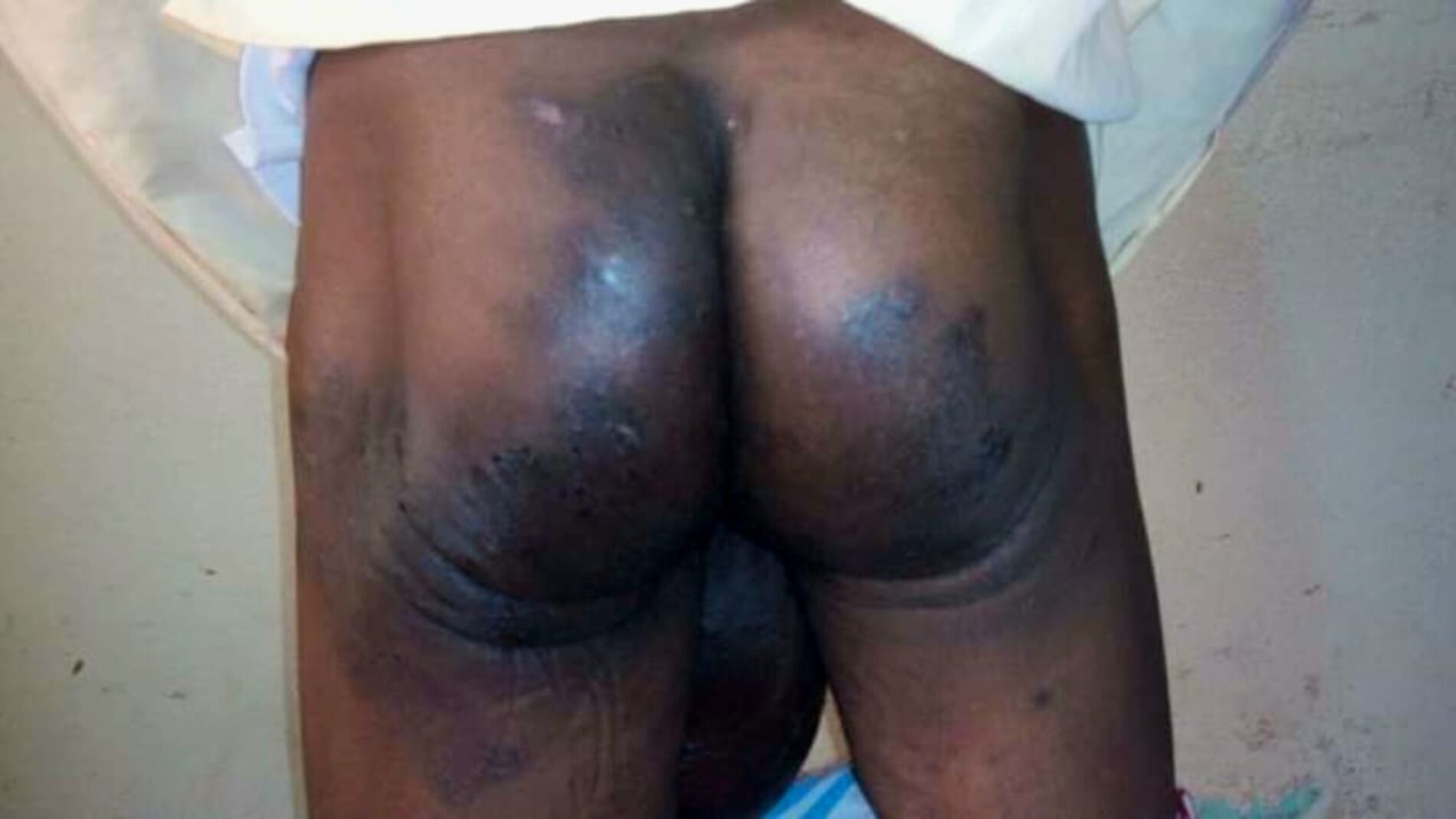
Victims often described inhumane and degrading treatment, particularly during arrests or while in detention. The report states, "Les victimes décrivent des traitements inhumains et dégradants, souvent lors d’arrestations ou en détention," detailing experiences that include physical abuse, psychological torment, and denial of basic necessities. Ligue Iteka also affirmed that human rights control mechanisms had been weakened over the course of the year. "La Ligue Iteka affirme que les mécanismes de contrôle des droits humains ont été affaiblis au cours de l’année," according to the report, indicating a deliberate dismantling of safeguards meant to protect citizens. The organization further noted that "L’absence d’informations sur le sort des disparus continue d’alimenter la peur au sein des communautés" (The absence of information on the fate of the disappeared continues to fuel fear within communities), a situation that creates widespread anxiety and distrust in the justice system. The persistent failure to investigate disappearances and provide answers to families is a significant source of distress and a clear indicator of the state's inability or unwillingness to uphold human rights.
Underlying Causes and Context
The political landscape in Burundi is characterized by a significant concentration of power, as the Independent National Electoral Commission reported that the CNDD-FDD party secured 96.51% of parliamentary seats. This overwhelming majority gives the ruling party almost unchecked control over legislative and executive functions, potentially limiting avenues for political opposition and accountability. Ligue Iteka’s report notes that this political environment "reste marqué par une restriction progressive des libertés publiques et une forte pression sur les voix critiques," indicating a shrinking space for public discourse and critical voices. This restriction manifests in various forms, from limitations on peaceful assembly to censorship and intimidation of journalists and human rights defenders. The report further details social tensions stemming from land disputes and strained relations between administrative bodies and the population. These disputes, often rooted in historical grievances or unclear property rights, can escalate into violence and further destabilize communities, contributing to the overall climate of insecurity. The strained relationship between citizens and local administration often leads to a lack of trust and an inability to resolve conflicts peacefully, exacerbating human rights issues.
Burundi also faces humanitarian challenges, hosting a substantial number of Congolese refugees who live in precarious conditions. These refugees, fleeing conflict and instability in their home country, often lack adequate resources, shelter, and access to essential services, making them particularly vulnerable to exploitation and human rights abuses. During the reporting period, Burundians were repatriated from Tanzania, adding another layer to the country's demographic and social dynamics. These repatriations, while sometimes voluntary, can also strain existing resources and create new social challenges, particularly if reintegration efforts are insufficient. These factors contribute to an environment where human rights protections are weakened. "La Ligue Iteka affirme que les mécanismes de contrôle des droits humains ont été affaiblis au cours de l’année," the report states, pointing to a decline in oversight capabilities that would otherwise monitor and address these complex humanitarian and social issues.
The absence of accountability for missing persons further exacerbates community fears. "L’absence d’informations sur le sort des disparus continue d’alimenter la peur au sein des communautés," the report notes, emphasizing the psychological toll this uncertainty takes on families and communities. This ongoing fear is a direct consequence of the state's failure to provide justice or even information regarding those who have disappeared. Victims frequently recount experiences of mistreatment, particularly during apprehension or while in custody. "Les victimes décrivent des traitements inhumains et dégradants, souvent lors d’arrestations ou en détention," according to Ligue Iteka, reinforcing the report's earlier findings about the prevalence of such abuses. These accounts paint a stark picture of a system where individuals are vulnerable to abuse from the moment of arrest, and protections are often non-existent.
Ligue Iteka's Role and Call for Action
Ligue Iteka documented 57 cases of abductions during its reporting period, adding to the range of human rights violations detailed in its findings. These abductions contribute significantly to the climate of fear and uncertainty, as individuals are taken without trace, often by state or state-affiliated actors. The organization stated that "plusieurs incidents n’ont pas donné lieu à des enquêtes approfondies, renforçant un sentiment d’impunité," indicating a lack of thorough investigations that contributes to a culture of impunity. This failure to investigate and prosecute perpetrators means that those responsible for severe human rights abuses often operate without fear of consequences, perpetuating the cycle of violence and repression. Operating from exile since the 2015 crisis, Ligue Iteka continues to monitor and report on human rights conditions in Burundi, providing key independent documentation in a challenging environment. Despite the difficulties of working remotely, the organization remains a vital source of information and advocacy for the victims of human rights abuses. The group emphasizes the importance of accountability for abuses and calls for an end to practices that undermine fundamental freedoms in the country. They advocate for a return to respect for rule of law, the protection of civil liberties, and the establishment of independent mechanisms to investigate and prosecute human rights violations.