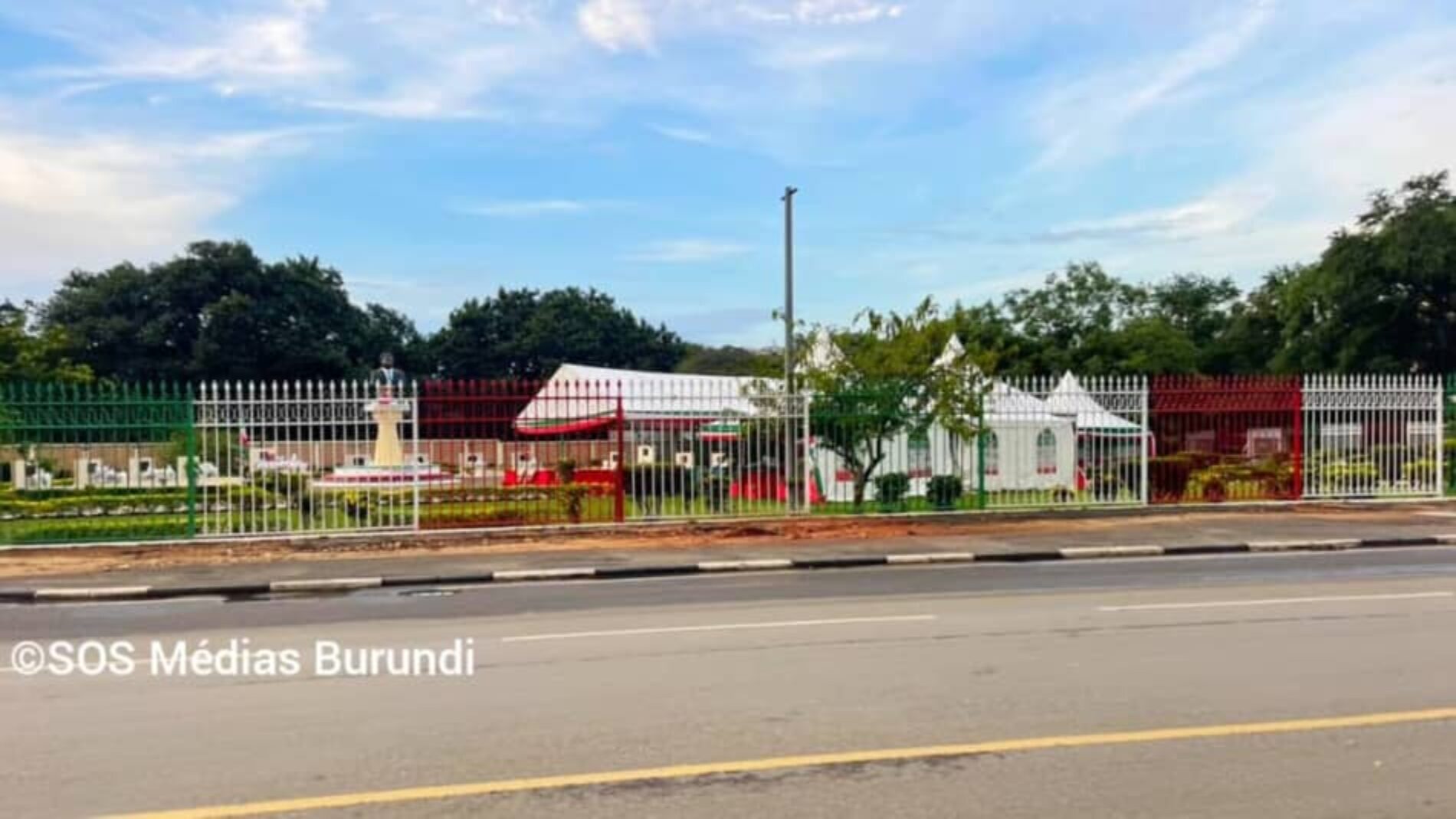
The Burundian government is planning to transfer the remains of several historical figures to a future national memorial located in Kiriri. This initiative involves the reburial of prominent individuals as part of a state memorial project, aiming to consolidate national heritage. The Sahwanya-Frodebu (Frodebu) party has since called for the government to suspend this project, citing serious concerns over its planning and execution. Frodebu representatives urged authorities to engage in inclusive dialogue regarding the memorial plan before proceeding with any transfers, emphasizing that such a significant undertaking requires broad consensus. The party emphasized the need for broader consultation on the handling of these historical remains and the establishment of the national memorial, particularly given the sensitive nature of Burundi's past.
Memorial Project Details
The remains of former president Melchior Ndadaye are among those slated for transfer to the Kiriri site. The government presents the project as an initiative to enhance national historical heritage and preserve the memory of key figures who have shaped the nation's trajectory. Ndadaye's remains are intended to join those of Prince Louis Rwagasore at the Kiriri site, creating a central place of remembrance for national heroes. Currently, Melchior Ndadaye's remains are located in the center of Bujumbura, a location that the government appears to be moving away from in favor of the new national memorial. The government has allocated an envelope of one billion Burundian francs to the development of the Kiriri site, showing the financial commitment to this ambitious project, which is intended to serve as a full national memorial. This substantial investment notes the government's determination to establish a prominent and lasting tribute to these historical figures.
Frodebu's Objections and Demands
The Sahwanya-Frodebu (Frodebu) party stated it learned of the Burundian government's decision regarding the memorial plan officially and without prior consultation, expressing significant dissatisfaction with the lack of transparency. The party argues that such a significant move, involving the remains of historical figures, cannot be undertaken without first consulting the deceased's biological family and other relevant political actors. Frodebu representatives have expressed concerns over the legitimacy of the initiative itself, questioning the process by which these decisions were made.
The party specifically questioned who authorized a limited number of officials to make decisions concerning the memory of an elected president like Melchior Ndadaye, whose legacy is deeply intertwined with the nation's history. Frodebu maintains that any plan to transfer Ndadaye's remains requires broad-based dialogue to ensure consensus among all stakeholders, including his family, political allies, and the wider public. This objection notes a perceived lack of transparency and inclusivity in the government's planning process for the national memorial site at Kiriri. The party's stance emphasizes the need for a collaborative approach to memorialization, particularly when dealing with figures of national importance, whose lives and deaths have had profound impacts on the country. They insist that the government should suspend the project immediately and engage in a full, inclusive dialogue with all concerned parties before any further steps are taken.
Historical Context of Ndadaye's Legacy
Melchior Ndadaye's legacy is rooted in his brief but impactful tenure as president, which ended with his assassination on October 21, 1993. His death occurred during a coup attempt, less than four months after he had assumed office, marking a tragic turning point in Burundian history. Ndadaye's assassination triggered a period of intense violence, immediately followed by massacres targeting Tutsis across the country, plunging Burundi into a protracted civil conflict. The broader conflict that ensued after his death led to the formation and emergence of various Hutu rebel movements, most notably the CNDD-FDD, which would later become a dominant political force.
This group, the CNDD-FDD, has since become a dominant political force, leading Burundi's government since 2005. Their rise to power followed the implementation of the Arusha Accords, a full peace agreement aimed at resolving the long-standing conflict that had devastated the nation for years. According to the United Nations, the overall conflict precipitated by Ndadaye's assassination resulted in over 300,000 deaths, showing the profound and lasting impact of this historical event on the Burundian population. In a significant legal development regarding his death, Burundi's Supreme Court sentenced 17 out of 21 defendants to life imprisonment in 2020 for their roles in the Ndadaye assassination case, providing some measure of justice decades after the tragic event. The sensitivity surrounding Ndadaye's legacy and the subsequent conflict shows why any decisions regarding his remains are viewed with such scrutiny and demand extensive public consultation.