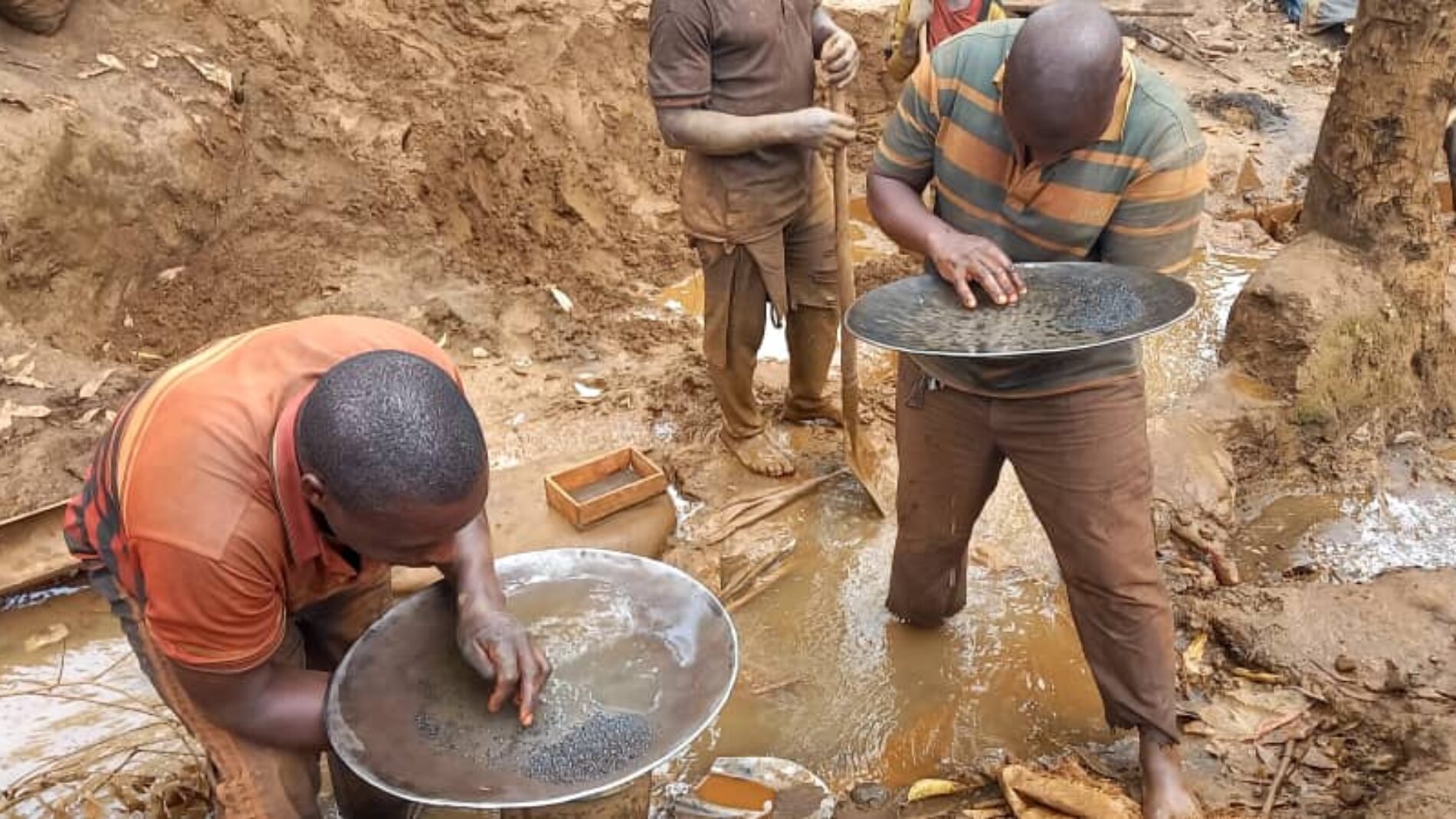
Burundian deputies convened a parliamentary session on Friday, June 12, 2026, to demand increased transparency regarding the revenue generated from mineral exports. The legislators' call comes as 1,600 tonnes of minerals have been exported from the country. They are seeking clear accountability for the funds accrued from these sales, aiming to ensure that the nation's mineral wealth benefits the Burundian population. The session focused on scrutinizing the processes and financial returns associated with these exports, noting a collective concern among the parliamentary body about the management of national resources. Deputies emphasized the critical need for strong oversight mechanisms to track the flow of funds from extraction to public accounts.
Questions on Revenue Traceability
The minerals primarily exported from Burundi are cassiterite and coltan, both valuable resources on international markets. Deputies stated that the foreign currency revenues generated from this exploitation are not clearly traced in public accounts, raising significant questions about financial transparency. This lack of traceability has prompted parliamentary scrutiny regarding the financial management of these national resources, with legislators pressing for detailed explanations on how these revenues are collected, recorded, and ultimately utilized. The deputies' concerns show a broader demand for greater accountability in the country's extractive industries.
Impact on Local Communities
The minerals were extracted between 2006 and 2015, a period spanning nearly a decade of significant mining activity. Despite this sustained extraction, populations living near these former exploitation sites do not observe significant improvement in their living conditions. This lack of visible progress is particularly striking given the volume of minerals exported over such an extended period. The former commune of Kabarore, which served as one of these sites, is now integrated into the commune of Kayanza. Kayanza is located in the province of Butanyerera, in northern Burundi, and residents there, like those in other affected areas, have reported a persistent absence of tangible development.
The lack of visible development in these areas has contributed to parliamentary scrutiny regarding the management and allocation of mineral export revenues. Deputies noted a prevailing absence of fundamental social and economic infrastructure in areas near former extraction sites. They noted a lack of visible projects in these communities that could be attributed to funding from mining revenues. This situation prompted deputies to seek clarity on how mineral wealth has been managed and why local populations, particularly those directly affected by mining operations, have not seen tangible benefits from the country's mineral wealth. The extended period of extraction without apparent local progress shows the concerns raised by the Burundian deputies about equitable distribution of wealth.
Ministerial Accountability Session
The issue of mineral export revenues was formally raised during a session of oral questions directed at the Minister of Finance and Digital Economy, Alain Ndikumana. Deputies pressed the minister for details regarding the financial oversight of these exports and the mechanisms in place to ensure that revenues are properly accounted for and invested back into the nation's development.
Legislators noted the prevailing absence of fundamental social and economic infrastructure in areas near former extraction sites. They noted a lack of basic social and economic infrastructure and visible projects funded by mining revenues for the benefit of local populations. This situation prompted deputies to seek clarity on how mineral wealth has been managed and why local populations have not benefited from the proceeds. The parliamentary body emphasized that transparent revenue management is key for fostering public trust and ensuring that Burundi's natural resources contribute meaningfully to the well-being of all its citizens.