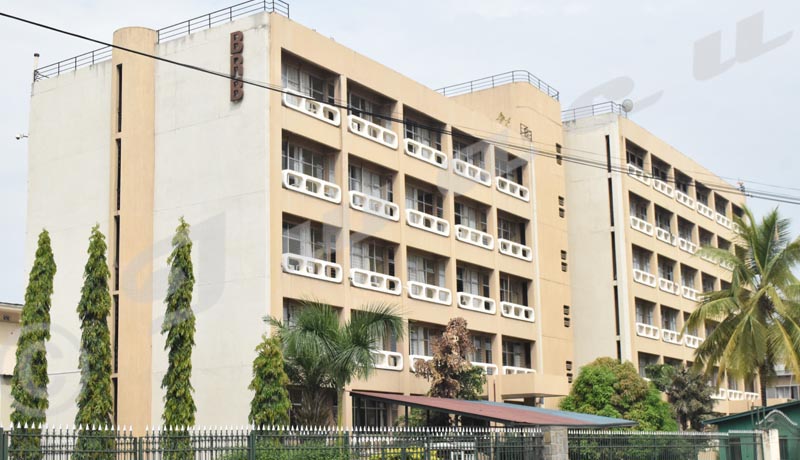
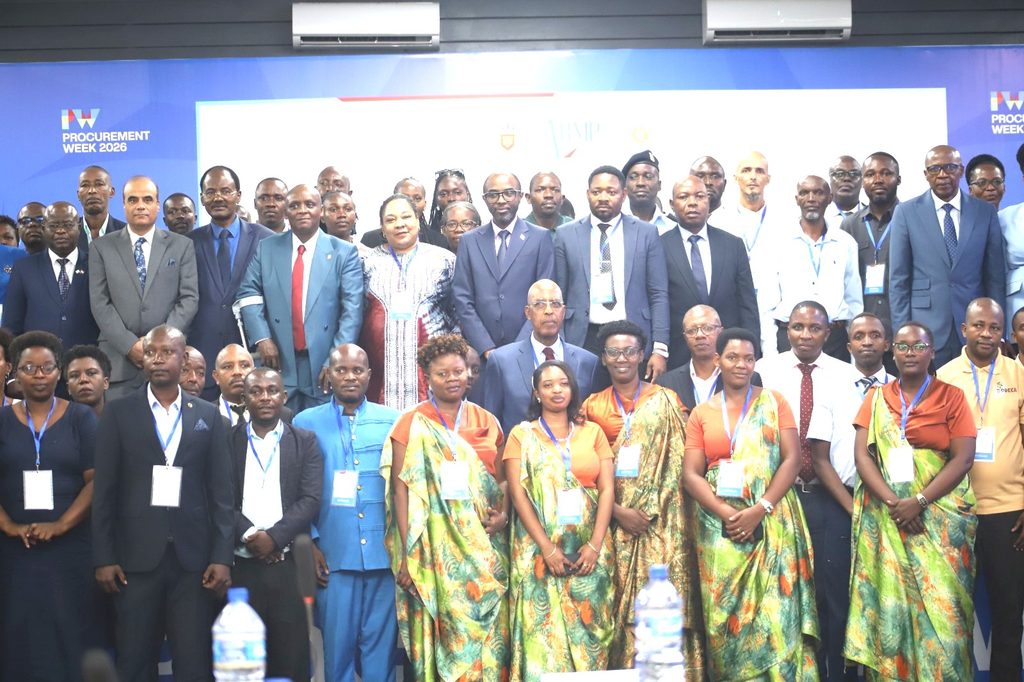
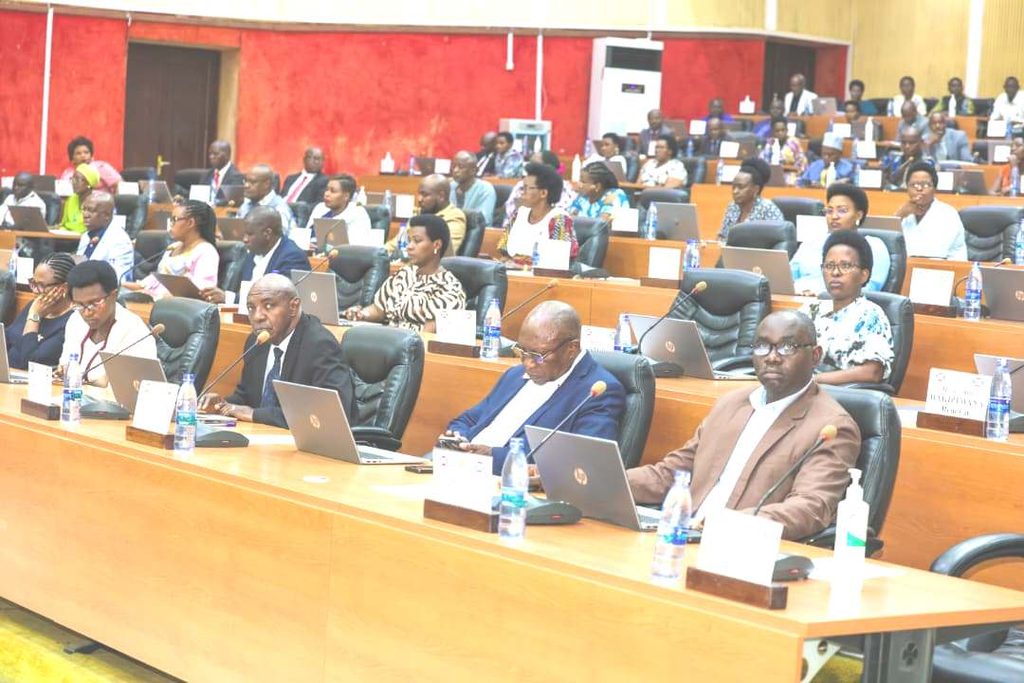
Bujumbura, Burundi – Burundi has officially launched a substantial BIF 300 billion ($100.5 million) credit facility, channeled through CRDB Bank Burundi, marking a significant commitment to bolster its foundational economic sectors. This ambitious initiative is specifically designed to boost investment across the nation's vital agricultural sector, encompassing agriculture, livestock, and agricultural processing, alongside other productive economic activities in the country. The Burundian government intends for this full facility to directly address the long-standing challenges of limited access to finance and persistently low productivity that have historically hampered Burundi's agricultural sector. This strategic financial injection is poised to provide much-needed capital, supporting strong growth and sustainable development within a critical part of the nation's economy. The launch shows the government's recognition of agriculture's key role in national prosperity and its determination to unlock the sector's full potential.
Facility Details and Goals
The newly introduced credit facility offers highly favorable terms, with loans available at an annual interest rate of just 5%. This accessible financing is specifically earmarked for essential investments such as agricultural machinery, livestock equipment, and other capital expenditures directly aimed at expanding production within the sector. CRDB Bank Burundi has been entrusted with the key responsibility of managing all applications for this financing, ensuring a streamlined and efficient process for prospective beneficiaries.
The overarching goal of this new credit facility is to significantly boost agribusiness investment across Burundi. By providing affordable capital, it aims to empower businesses to expand their production capacity, adopt modern techniques, and ultimately strengthen Burundi’s agricultural value chain from cultivation to market. This initiative is not merely about agricultural growth; it is widely expected to contribute substantially to broader national economic growth. The African Development Bank, for instance, forecasts Burundi’s economy will grow by 4.3% in 2026, and the government anticipates the facility will play a significant role in achieving such projections by injecting capital into key agricultural areas and stimulating related economic activities. The facility's focus on productivity and expansion is seen as a cornerstone for future economic stability and prosperity.
Agriculture's Central Role
Burundi's agriculture sector forms the undisputed backbone of its economy, showing its immense importance to the nation's socio-economic fabric. It contributes a substantial 39.6% of the country's Gross Domestic Product, noting its direct impact on national income. The sector is by far the largest employer, providing livelihoods for an overwhelming 84% of all employment nationwide. Beyond its significant economic contributions, agriculture is absolutely critical for national food security, reliably supplying approximately 95% of Burundi's food needs. This makes the sector not just an economic engine but a fundamental pillar of national stability and well-being.
Given these profound contributions, the Burundian government considers agriculture central to its long-term development strategy, which is comprehensively outlined in Vision 2040-2060. This strategic emphasis notes the sector's indispensable importance for achieving sustainable growth, reducing poverty, and ensuring a prosperous future for all Burundians. The African Development Bank further reinforces this outlook, forecasting Burundi’s economy to grow by 4.6% in 2027, with agricultural productivity improvements expected to contribute significantly to this projection. The new credit facility is therefore a critical mechanism designed to bolster this vital sector, supporting increased output, enhancing efficiency across agricultural value chains, and driving innovation. This sustained investment is expected to translate into tangible benefits for both rural communities and the national economy as a whole.
Government Support and Vision
The Burundian Finance Ministry has unequivocally stated that the new financing program is an integral component, complementing the government's broader, concerted efforts to make state-owned land available for productive investment. This strategic alignment aims to create a more cohesive and effective approach to agricultural development, ensuring that financial support is coupled with access to the necessary resources. The Ministry of Environment, Agriculture and Livestock plays a key role in this integrated strategy, being responsible for the careful allocation of this land. Their work ensures that suitable plots are provided for agricultural projects that can most effectively benefit from the credit facility, thereby maximizing the impact of both land and capital.
Government officials harbor high expectations for the credit facility, anticipating that it will significantly increase agricultural production across the entire country. They also project that the program will actively encourage the local processing of agricultural goods, a key step in adding value within Burundi and fostering domestic industrial growth. The government anticipates substantial job creation as a direct result of increased investment and heightened activity in the sector, providing much-needed employment opportunities. A key, overarching objective is to reduce the country's dependence on food imports, thereby enhancing national food security and promoting self-sufficiency. Finally, the facility is strategically intended to strengthen Burundi's export capabilities, enabling the nation to generate more foreign exchange from its agricultural products and improve its position in regional and international markets. This multi-faceted approach shows the government's full vision for a revitalized and resilient agricultural sector.