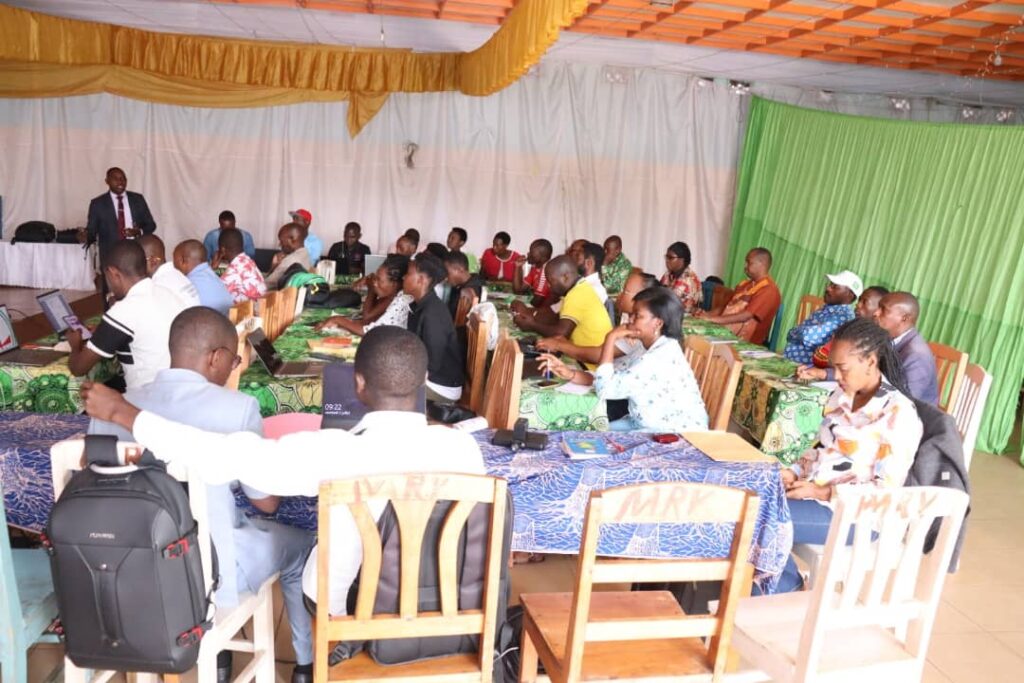
The Ministry of Communication and Media intends to organize additional training for Burundian journalists regarding the Vision of an emerging Burundi in 2040 and a developed Burundi in 2060. This strategic initiative shows the government's commitment to ensuring that the national development plan is thoroughly understood and effectively communicated across the country. Oscar Nzohabonayo, Director General of Communication and Media, announced this initiative on July 3, 2026. This declaration was made during the second day of a training session for journalists held in the province of Butanyerera. The training program aims to equip media professionals with the necessary knowledge and tools to accurately and comprehensively report on the long-term strategic goals for Burundi's future.
Vision's Objectives and Scope
The Vision for an emerging Burundi by 2040 and a developed Burundi by 2060 aims for the population to appropriate and effectively implement its directives. This appropriation is considered key for the successful realization of the country's ambitious development targets. This national strategy outlines 22 specific objectives designed to guide the country's development over the coming decades. These objectives span various sectors, from economic growth to social welfare and environmental sustainability, all contributing to the overarching goal of national progress. The Ministry of Communication and Media emphasizes that a clear understanding of these goals is essential for their successful realization across all sectors of society. By fostering a deep comprehension among the populace, the Ministry hopes to galvanize collective effort towards achieving the Vision's aspirations.
Journalists' Role in Public Engagement
Journalists in Burundi are tasked with producing more programs and reports aimed at popularizing the objectives of the National Vision 2040-2060. This directive emphasizes their critical role in ensuring the public understands and engages with the long-term national development strategy. The media's capacity to disseminate information widely and effectively is seen as an invaluable asset in this national endeavor. The push for increased media output is intended to facilitate broader public ownership and implementation of the Vision's goals, which target an emerging Burundi by 2040 and a developed Burundi by 2060. This extensive popularization effort is designed to ensure that the Vision is not merely a government document but a shared national ambition understood and pursued by every citizen.
For journalists to effectively fulfill this role, they require adequate access to information concerning the Vision. This access is considered key for them to appropriately cover and disseminate details about the national strategy. Without full and reliable information, journalists would struggle to produce accurate and engaging content that resonates with the public. Ensuring journalists have the necessary resources and data is seen as a key component in enabling them to accurately inform the public and accompany the Vision's progress over the coming decades. This includes providing detailed briefings, official documents, and opportunities for direct engagement with policymakers involved in the Vision's implementation. Without transparent and consistent information flow, the media's capacity to popularize the Vision's objectives could be impeded, potentially affecting public engagement and the overall success of the national development plan.
Information Access and Trust
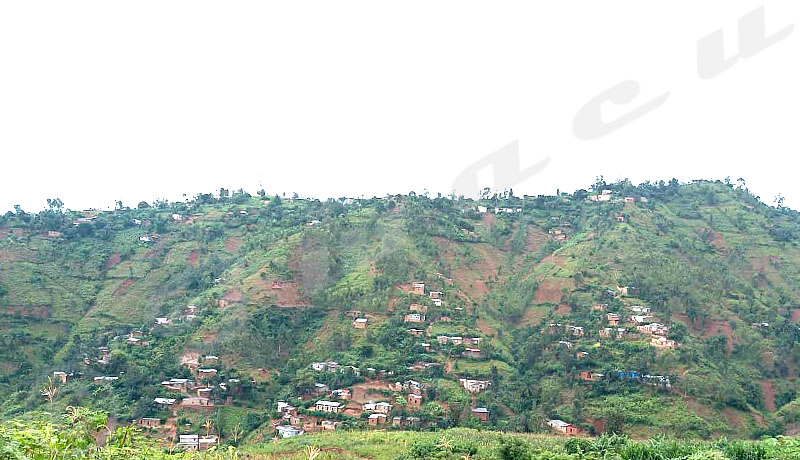
Journalists are encouraged to venture into rural areas, specifically "the hills," to engage directly with citizens concerning the National Vision 2040-2060. This grassroots approach is vital for ensuring that the Vision's message reaches all segments of society, including those in remote communities. This approach aims to foster grassroots understanding and appropriation of the development strategy, ensuring that the public is not merely informed but actively participates in its realization. Direct interaction with communities is seen as vital for conveying the Vision's objectives in a localized and accessible manner, allowing for feedback and community-specific discussions on how the national goals can be integrated into local contexts. This direct engagement helps to demystify complex policy objectives and connect them to the daily lives and aspirations of ordinary Burundians.
The current security and political conditions in Burundi are characterized as stable, providing a conducive environment for journalists to undertake these outreach activities. This stability is presented as a factor that enables broader engagement and travel throughout the country, facilitating direct interaction between media professionals and citizens in various regions. A secure environment allows journalists to operate freely and safely, which is essential for conducting in-depth reporting and community engagement. A stable national context is considered essential for the effective dissemination of information and for building trust between the public and the initiatives outlined in the Vision 2040-2060. This trust is fundamental for encouraging public participation and commitment to the long-term development goals.