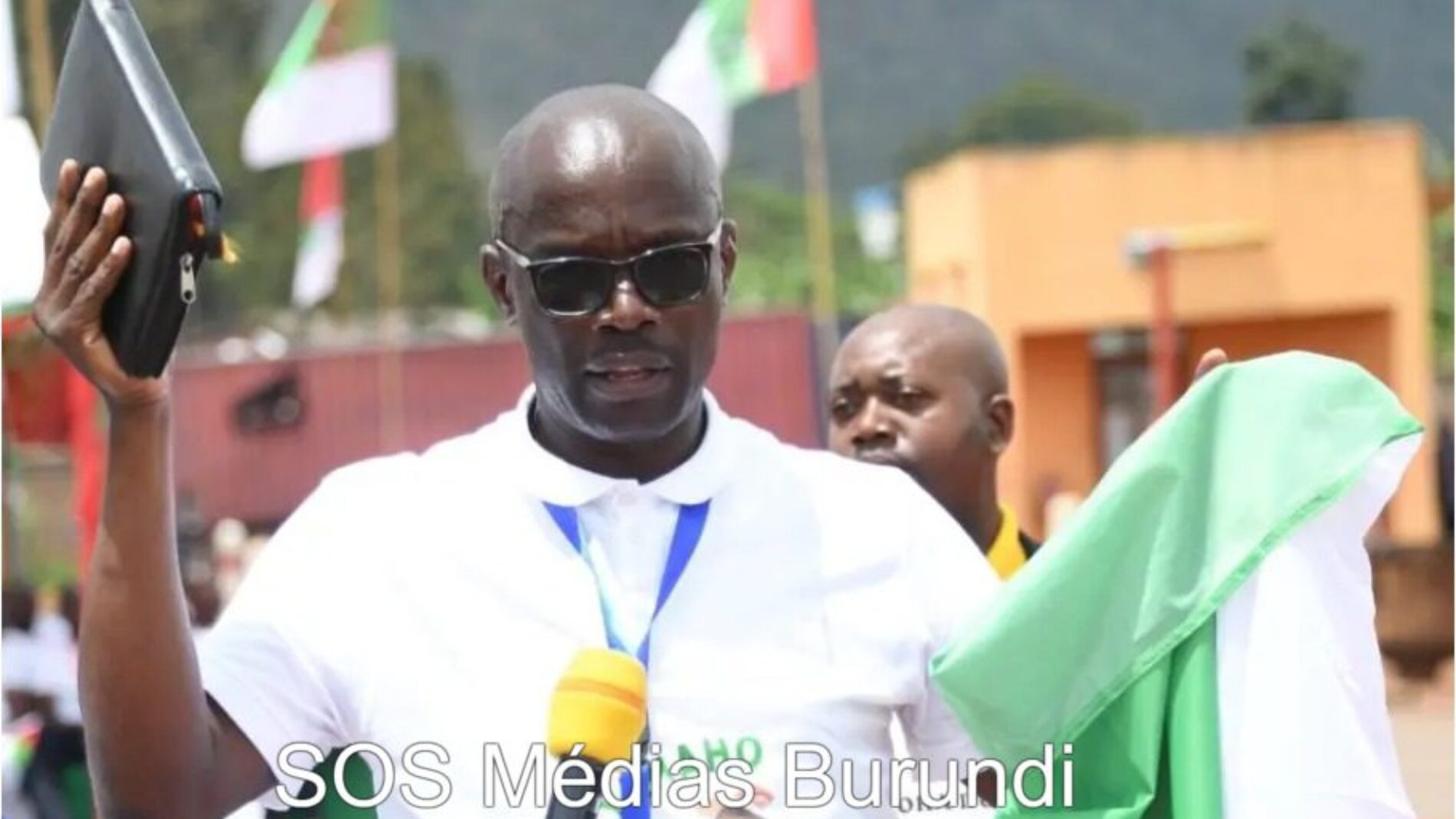
Révérien Ndikuriyo, Secretary General of Burundi's ruling CNDD-FDD party, held a press conference in Burunga, southern Burundi, where he issued a direct challenge to armed groups. Ndikuriyo dared potential assailants to amass up to 200,000 armed fighters for an offensive against the country. He stated, "Qu’ils viennent au lieu de se faire photographier en tenue militaire," urging them to act rather than merely posing in military attire.
Defiant Challenge Issued
Révérien Ndikuriyo delivered a particularly offensive speech targeting armed groups that have threatened to resume hostilities against Burundi. Speaking at a press conference in Burunga, the Secretary General of the ruling CNDD-FDD party asserted that any such force, even one numbering 200,000 fighters, would be neutralized and killed in less than three weeks. He stated that such a force would be neutralized and eliminated within three weeks.
Ndikuriyo challenged those claiming to want to fight, urging them to transition "from words to actions." He previously dared potential assailants to amass their forces rather than merely posing in military attire. The party official also used the expression "erega ni ukwicana," which can be interpreted as "it's war, we kill each other," conveying a stark message regarding the potential conflict. His remarks show a firm stance from the ruling party, indicating a readiness to confront any perceived threats with decisive action. This aggressive rhetoric aims to deter any groups considering armed action against Burundi.
Security Forces on Alert
Révérien Ndikuriyo referenced messages originating from Canada, Belgium, other European nations, the United States, and the Democratic Republic of Congo (RDC). The Secretary General of the ruling CNDD-FDD party affirmed that security forces are actively monitoring forest and border regions to identify any potential activities by armed groups. This surveillance includes areas beyond Burundi's borders in the RDC, specifically focusing on forests, valleys, and rocky terrains. Ndikuriyo's remarks indicate a heightened state of vigilance, with Burundian authorities tracking communications and movements perceived as threats. The full monitoring effort spans multiple international locations and specific geographical features within neighboring territory. This approach shows the government's preparedness for potential incursions, demonstrating a proactive stance against external security challenges. The monitoring extends to intelligence gathering from various international sources, noting the perceived transnational nature of the threats.
Regional Context and Threats
Révérien Ndikuriyo specifically named the RED-Tabara and the FNL (Forces nationales de libération) led by General Aloys Nzabampema as the armed groups targeted by his warning. The CNDD-FDD party official's declarations occurred amidst a broader regional context marked by ongoing armed conflicts. This environment includes the frequent circulation of various armed groups operating in the eastern part of the Democratic Republic of Congo (RDC). Burundian authorities have consistently expressed concerns about such groups potentially threatening the country's security from across its borders. The focus on specific groups like RED-Tabara and FNL reflects the government's assessment of the primary threats emanating from the volatile security situation in the Great Lakes region, particularly from areas within the RDC. This regional instability is a persistent concern for Burundi, prompting continuous vigilance and strong warnings from its leadership.
Past Victories Cited
Révérien Ndikuriyo referenced past military successes, asserting that Burundi's forces have previously neutralized threats. He cited specific years, including 2012, 2014, and 2015, as instances where invading fighters were entirely eliminated. According to Ndikuriyo, these past events demonstrate the capacity of the country's security apparatus to decisively repel external aggression. In these cited instances, invading fighters were all killed. The Secretary General of the ruling CNDD-FDD party used these examples to show his warning to current armed groups, implying that any future incursions would meet a similar fate. He emphasized that these historical outcomes serve as a precedent for how the Burundian government anticipates handling contemporary challenges from armed movements, reinforcing the message of zero tolerance for armed incursions.