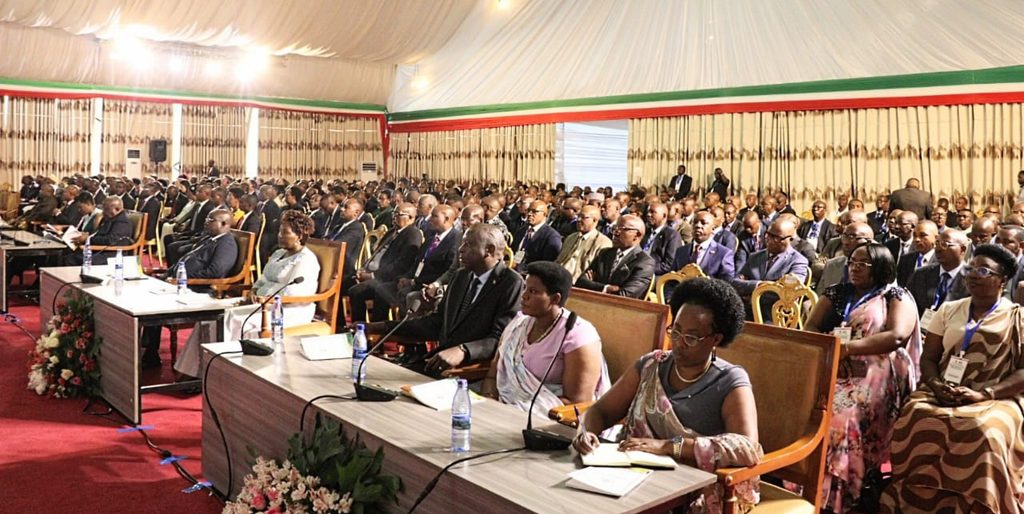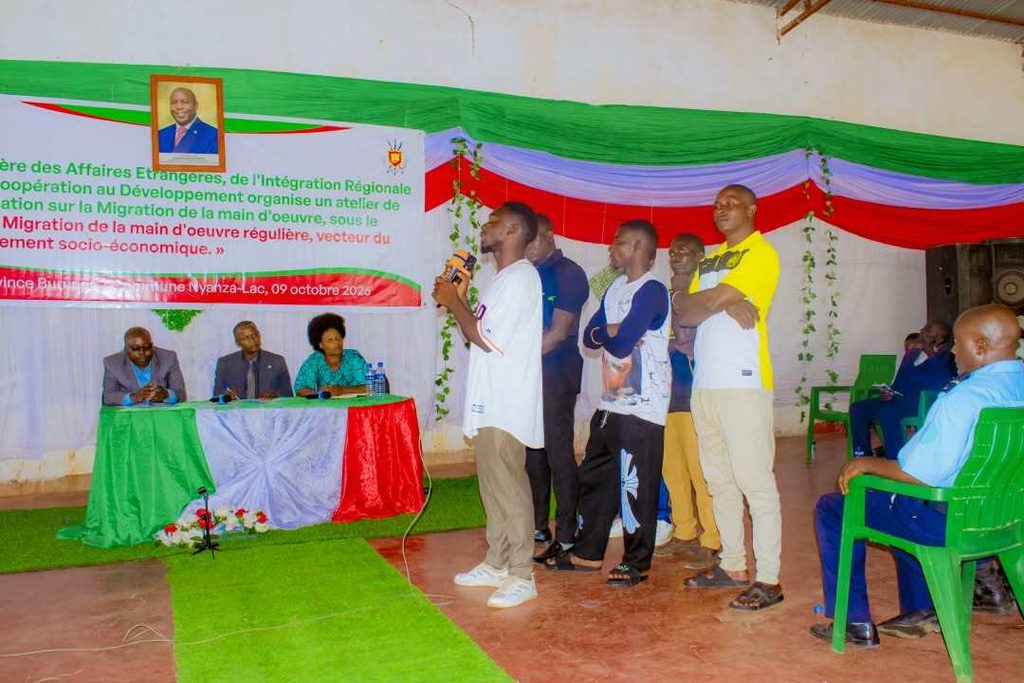
The Ministry of Foreign Affairs, Regional Integration and Development Cooperation organized a sensitization workshop in Nyanza commune regarding labor migration. Officials met with local residents to discuss legal pathways for Burundian citizens seeking employment opportunities abroad. This initiative aims to provide information on the regulatory frameworks governing international labor movement and the protection of migrant workers. By clarifying the legal processes involved in working in other countries, the ministry intends to promote safe and organized migration practices. The session addressed the potential economic benefits for individuals and the broader community through regulated employment programs. Participants received guidance on identifying legitimate recruitment channels and understanding their rights while working outside Burundi.
Benefits of Legal Migration
Article 104 of the East African Community (EAC) Treaty provides the legal framework for Burundian citizens to seek employment within the region. This provision permits the free movement of persons for work, provided that individuals possess the necessary recognized travel documents. Article 104 of the East African Community (EAC) Treaty specifically allows for the free movement of persons for employment purposes with recognized travel documents. Officials emphasize that adherence to these protocols is essential for those pursuing professional opportunities in partner states. By following these established procedures, workers ensure their status is recognized and protected under regional agreements.
Official records indicate that many individuals fail to comply with these requirements when attempting to work abroad. Between July and September 2026, 149 Burundian migrants were deported back to the country. Authorities identified irregular migration and a lack of required documentation as the primary reasons for these deportations. The ministry noted that these instances highlight the vulnerabilities faced by workers who do not utilize official channels. When migrants bypass the established regulatory frameworks, they lose access to the legal protections afforded to them under international and regional labor agreements.
Burundian law maintains specific penalties for those involved in unauthorized movement. Article 129 of the EAC Treaty stipulates that aiding illegal migration is punishable by a fine of 50,000 to 100,000 FBu. Alternatively, offenders face a term of imprisonment ranging from six months to one year. Ministry representatives maintain that informing the public about these legal consequences serves as a necessary measure to prevent the risks associated with irregular migration. The government remains committed to ensuring that all citizens are fully aware of the legal requirements before they decide to seek employment outside of Burundi. Through continued outreach efforts, the Ministry of Foreign Affairs, Regional Integration and Development Cooperation intends to minimize the number of citizens who fall victim to exploitation during their search for work in foreign nations. By fostering a better understanding of the EAC Treaty and domestic regulations, the ministry hopes to create a more secure environment for the Burundian workforce.