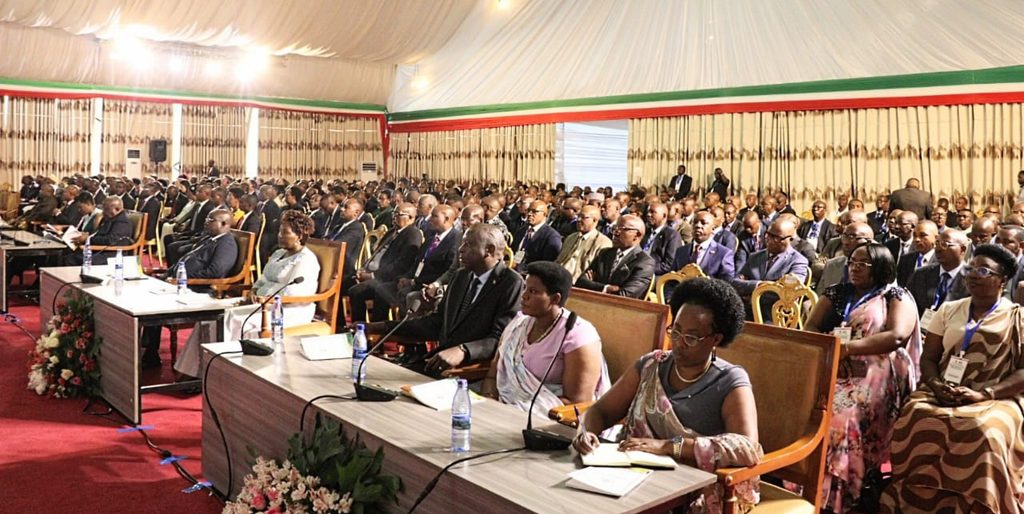
Burundi's President, Evariste Ndayishimiye, officially launched the National Strategy for the Fight Against Corruption (SNLCC 2026-2030) at the Presidential Palace of Kiriri in Bujumbura. The strategy aims to create conditions conducive to more transparent governance and socio-economic development within the country. This full initiative, formally known as the National Strategy for the Fight Against Corruption (SNLCC 2026-2030), seeks to significantly reduce corruption within the country by the year 2030. A key measure of the new initiative involves the inscription of convicted individuals onto a 'black list'. This list is intended to enhance accountability as part of the broader anti-corruption efforts.
Strategy Goals and Pillars
The National Strategy for the Fight Against Corruption (SNLCC 2026-2030) aims to restore the culture of Ubuntu and patriotic spirit within Burundi. A core objective of the strategy is to eradicate impunity, strengthening both the prevention and repression of corruption. The initiative also seeks to promote integrity and patriotism across various sectors. The implementation of this strategy is designed to strengthen the prevention and repression of corruption, promote integrity and patriotism, and ultimately fight impunity across all levels of society. The ultimate goal is to create conditions conducive to more transparent governance and socio-economic development in Burundi.
President Ndayishimiye stated that corruption represents a significant challenge hindering Burundi's economic development. Several sectors have been identified as particularly exposed to corruption. These include public procurement, finance, and human resource management within public entities. Education, health, the National Police of Burundi, the judicial system, and the agro-pastoral sector are also considered vulnerable. Other areas of concern encompass customs and tax administration, the management of the state vehicle fleet, the mining sector, and the administration of state-owned land and buildings. This broad identification of vulnerable sectors shows the widespread nature of corruption that the strategy seeks to address.
Enforcement and Accountability Mechanisms
To enhance enforcement and accountability, Burundi plans to establish mixed committees dedicated to fighting corruption at all levels of government, extending from the highest offices down to the local administrative bases. These mixed committees will be instrumental in ensuring that anti-corruption efforts are integrated and enforced comprehensively throughout the country. The national-level committee, which will oversee these efforts, is slated to be chaired by the Head of State. This structure aims to integrate anti-corruption measures throughout the public administration, ensuring high-level oversight and commitment to the strategy's objectives.
A key accountability measure stipulates that individuals convicted of corruption offenses will first be required to return any embezzled funds. This restitution precedes other punitive actions and is central to the strategy's goal of recovering illicitly acquired assets. Beyond the public sector, the new strategy also involves the private sector in its accountability framework. Private companies are expected to consider the 'black list' of convicted individuals during their recruitment processes, potentially restricting employment opportunities for those found guilty of corruption. This engagement seeks to extend the reach of anti-corruption efforts beyond government institutions, fostering a broader culture of integrity. The 'black list' will serve as a key reference to prevent implicated individuals from being entrusted with new responsibilities, thereby reinforcing the principle of accountability.
High-Level Launch and Support
The official launch of Burundi's National Strategy for the Fight Against Corruption (SNLCC 2026-2030) occurred on Friday, October 9, 2026, at the Presidential Palace of Kiriri in Bujumbura. The strategy aims to significantly reduce corruption within the country by the year 2030. A key component of this initiative is the establishment of a 'black list', which will function as a reference tool to prevent individuals implicated in corruption from being assigned new responsibilities. The launch ceremony drew a wide array of prominent figures, including the Vice-President of the Republic. Former Heads of State were also in attendance, alongside the presidents of both chambers of Parliament. Further support was demonstrated by the presence of the Ombudsman, representatives from civil society organizations, and delegates from various international organizations and diplomatic and consular missions. This broad participation at the launch event showed the national and international significance attached to Burundi's renewed commitment to combating corruption.