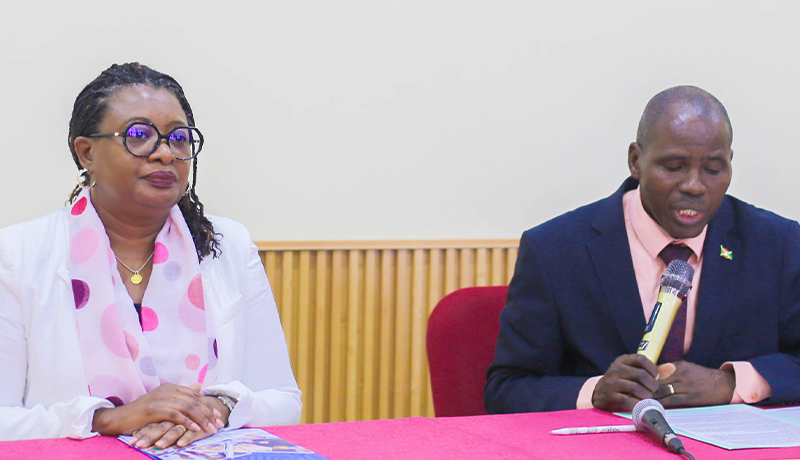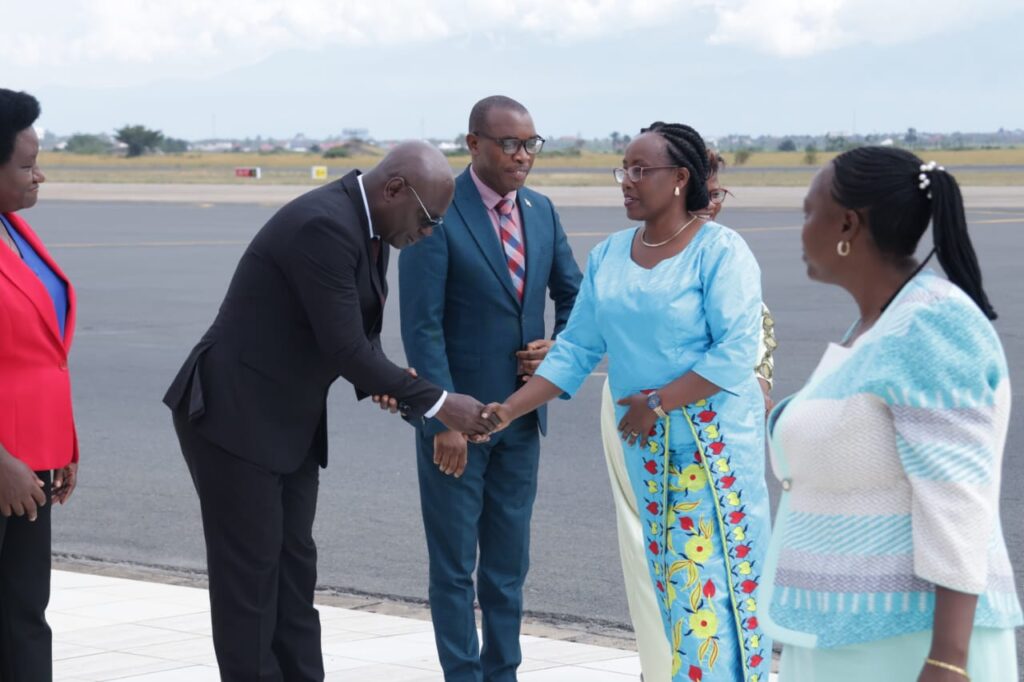
Clotilde Kampimbare, Second Vice-President of the Senate, returned to Burundi on Monday, June 8, 2026, after attending a significant interparliamentary conference in Ghana. Her work mission, which spanned from June 3 to June 6, 2026, brought her to Accra, the Republic of Ghana, for the event. The conference focused on "Consolidating Parliamentary Consensus: Advancing the African Charter on Family Values and Sovereignty," addressing key issues related to family structures, cultural preservation, and national autonomy within the African context. Ms. Kampimbare's participation showed Burundi's engagement with regional discussions on these foundational principles and its commitment to upholding the values central to the continent's identity.
Conference Details and Attendance
Clotilde Kampimbare's work mission involved her active participation in the 4th Interparliamentary Conference, which was held in the Republic of Ghana. This key event was organized by the Parliament of the Republic of Ghana, demonstrating a strong commitment from the host nation to the conference's objectives. The gathering drew a significant number of participants, with over three hundred delegates attending from approximately thirty African countries, showcasing a broad continental interest in the themes discussed. The diverse group of attendees reflected a wide-ranging engagement with the conference's themes and objectives. Among those present were numerous parliamentarians, who contributed their legislative perspectives and insights into policy formulation. Public policy experts and academics also participated, offering valuable research, strategic analyses, and theoretical frameworks to inform the discussions. Religious leaders brought ethical and moral viewpoints to the deliberations, emphasizing the spiritual and community aspects of family and societal values. Concurrently, civil society representatives ensured that grassroots concerns, community needs, and the perspectives of various societal groups were adequately addressed, fostering a full and inclusive dialogue on the African Charter on Family Values and Sovereignty. The collective expertise and diverse backgrounds of the delegates aimed to forge a strong consensus on the protection and advancement of African family structures and sovereignty.
Key Discussions and Charter Adoption
The participants at the 4th Interparliamentary Conference in Ghana achieved a significant milestone by adopting an African Charter on Family, Sovereignty, and Values. Throughout the conference, delegates engaged in full discussions on several strategic issues deemed key for the continent's future. These discussions prominently featured the protection and strengthening of the African family unit, recognizing its role as the fundamental building block of society. Emphasis was also placed on the preservation of cultural identities and traditional values, which are considered unique to the continent and essential for maintaining African heritage.
Further deliberations covered the critical role of parliaments in safeguarding societal values through legislative action and oversight. The agenda also included extensive discussions on youth development, focusing on strategies to empower young people and instill moral leadership qualities. The gathering additionally addressed the increasingly pertinent impact of artificial intelligence and digital technologies on the family, education systems, child protection mechanisms, and overall social cohesion. Stakeholders present at the conference collectively affirmed shared concerns regarding what they described as growing threats to the African family, national sovereignty, and societal values, noting the urgency of the charter's adoption. To facilitate ongoing work and ensure the charter's implementation, the conference recommended the establishment of a dedicated committee. This proposed committee, which should include a president, would be responsible for overseeing the activities of its secretariat, ensuring continuity and effective coordination of efforts.
Vice-President's Mission Context
Clotilde Kampimbare's mission brought her to Accra, Republic of Ghana, for the interparliamentary conference, an event meticulously organized by the Parliament of the Republic of Ghana. Delegates at the conference issued a declaration that contained several key recommendations aimed at institutionalizing and advancing the objectives of the newly adopted charter. A primary recommendation was that COSPAL (Conference of Presidents and Presidents of African Legislatures) establish a dedicated committee focused specifically on family, sovereignty, and values. This recommendation aimed to institutionalize ongoing work related to the charter, providing a structured framework for its development and implementation across the continent.
The declaration further proposed that each participating country should take concrete steps at the national level by establishing a parliamentary group dedicated to family matters. These national groups would be tasked with designating specific focal persons whose role would be to lead their efforts and serve as key contact points for regional initiatives. Additionally, to ensure the sustainability and effectiveness of these national efforts, the declaration called for the allocation of an annual budget to support the activities of these parliamentary groups. These full measures are intended to ensure consistent engagement, provide necessary resources, and foster a coordinated approach for the charter's objectives at both regional and national levels, thereby solidifying the commitment to African family values and sovereignty.