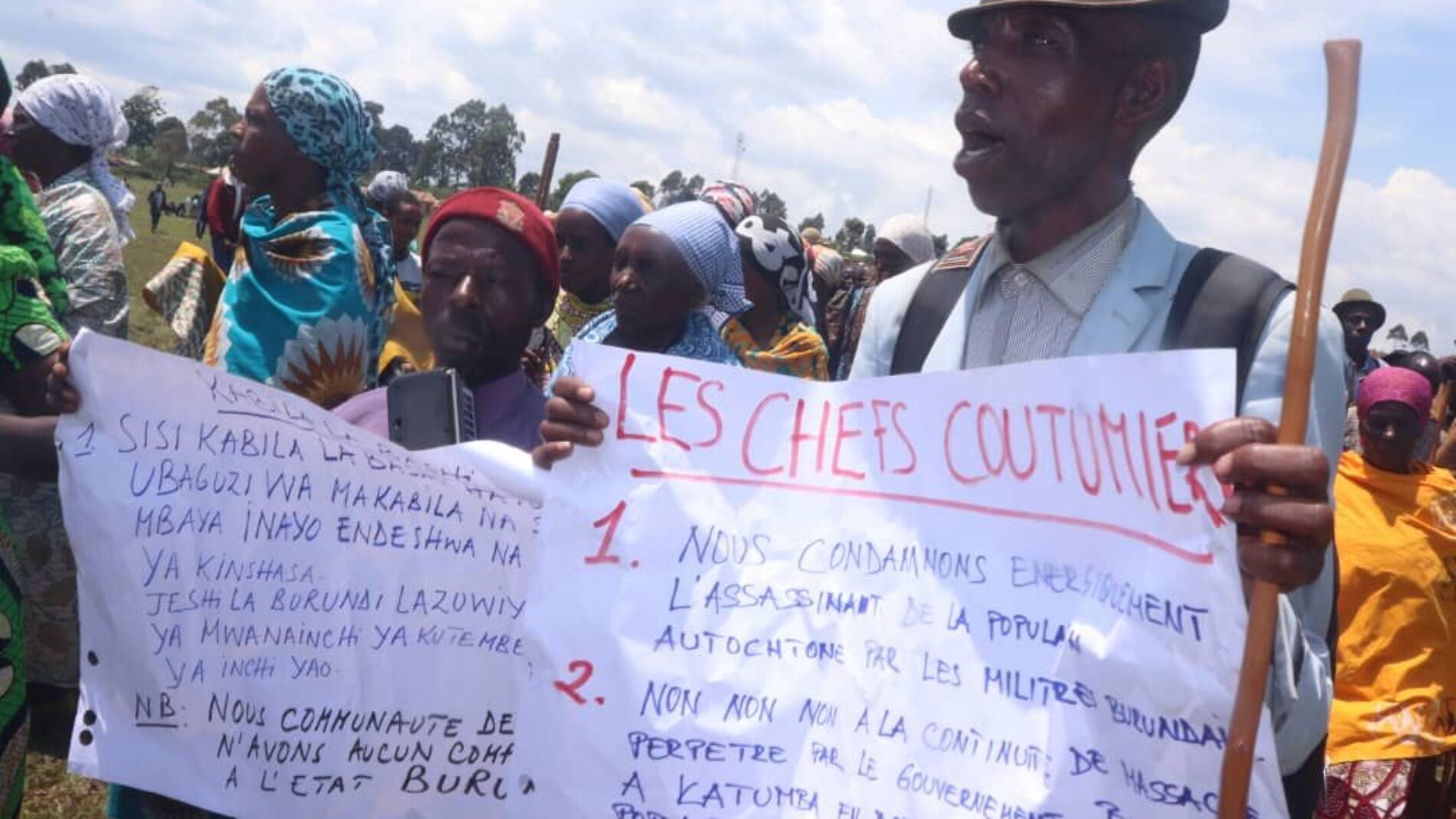
Two people were killed and seven others injured in attacks in the eastern Democratic Republic of Congo (DR Congo), local sources reported on Sunday. The incidents, which occurred in the village of Ilundu-Basita in South Kivu province, are being attributed to forces from DR Congo and Burundi. These attacks, reportedly carried out on Saturday, have raised significant concerns about regional stability and civilian safety in the volatile border areas. Local authorities have initiated investigations into the circumstances surrounding the violence, aiming to understand the full scope of the events and identify those responsible.
Attack Details Emerge
The Saturday attacks specifically targeted the village of Ilundu-Basita, located in the strategically important South Kivu province. Local reports indicate that these assaults led to two fatalities and left seven individuals wounded, noting the severe impact on the local community. The incidents have prompted local authorities to launch immediate investigations into the circumstances surrounding the violence in the area. Initial reports attribute responsibility for the attacks to forces from both the Democratic Republic of Congo and Burundi, suggesting a complex cross-border dynamic at play.
The village of Ilundu-Basita, situated in a region historically prone to instability, has previously experienced intermittent clashes and insecurity, making its residents particularly vulnerable to such events. This latest event shows ongoing tensions in the eastern DR Congo, a region grappling with various armed groups and persistent cross-border security challenges. Efforts to ascertain the full scope of the attacks and identify specific perpetrators are currently underway, with investigators seeking to gather more definitive evidence regarding the involvement of the implicated forces. The impact on the civilian population and the disruption to daily life in Ilundu-Basita are significant concerns for humanitarian organizations and local governance.
Forces Implicated in Violence
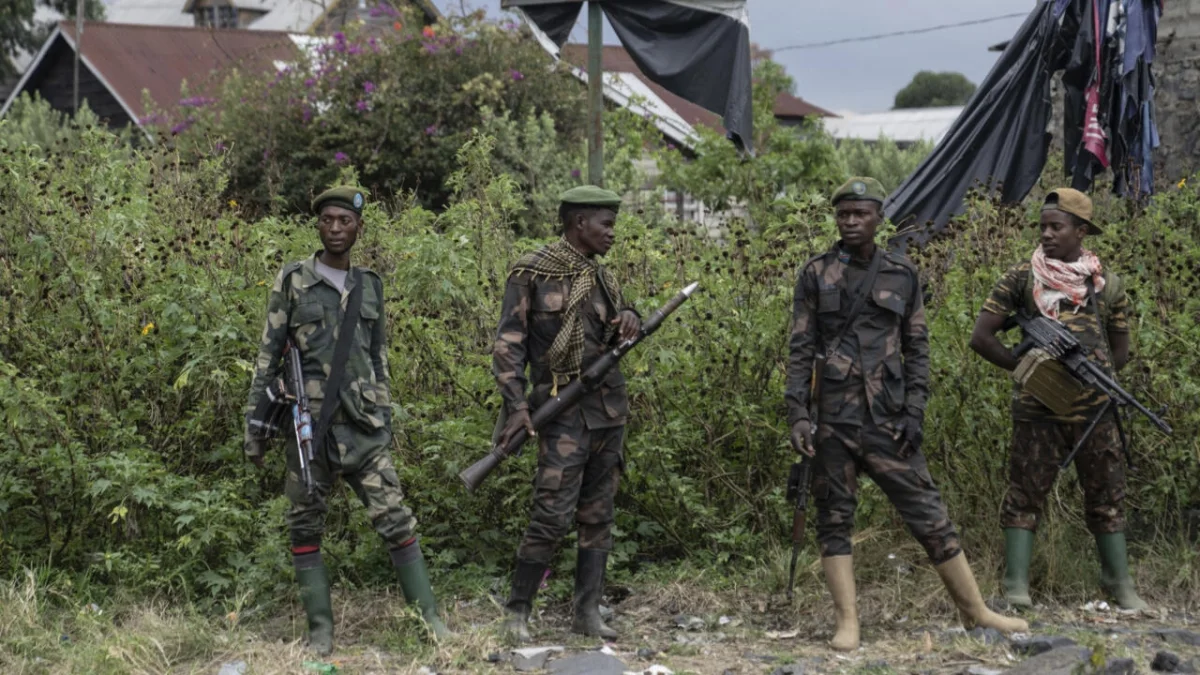
The attacks in Ilundu-Basita are attributed to forces from both the Democratic Republic of Congo and Burundi, according to local reports. These reports indicate that the involvement of elements from both nations led directly to the casualties and injuries recorded in the village. The attribution of responsibility to both countries suggests a complex situation involving cross-border dynamics and potential coordination or simultaneous operations in the volatile South Kivu province. Local sources have specifically noted the presence of military elements from both DR Congo and Burundi in the area at the time of the incidents, providing key initial information for the ongoing investigations.
This development comes as authorities in DR Congo continue their investigations into the precise nature of the attacks and the specific units involved from each country. The claims show persistent security challenges in the region, particularly those involving state and non-state actors operating near porous borders, where accountability can often be difficult to establish. The alleged participation of forces from two sovereign nations in an attack resulting in civilian casualties adds a layer of diplomatic complexity to the already fragile security situation in eastern DR Congo.
Regional Tensions
The attacks were reportedly carried out by the Congolese army and their allied Burundian forces. This claim suggests a profoundly complex security environment in South Kivu province, involving not just non-state armed groups but also state actors from both the Democratic Republic of Congo and Burundi. The alleged involvement of allied forces notes the cross-border nature of military operations and the inherent challenges in distinguishing between various groups operating in the region, particularly when state-aligned forces are implicated.
Local authorities are meticulously investigating the precise roles of these forces in the incidents that led to two deaths and seven injuries in Ilundu-Basita, aiming to provide clarity and ensure justice. The situation shows ongoing regional tensions and the volatile security landscape along the border, where alliances and conflicts often intertwine, impacting civilian populations disproportionately. The international community is closely monitoring these developments, given the potential for further destabilization in an already fragile part of Central Africa.