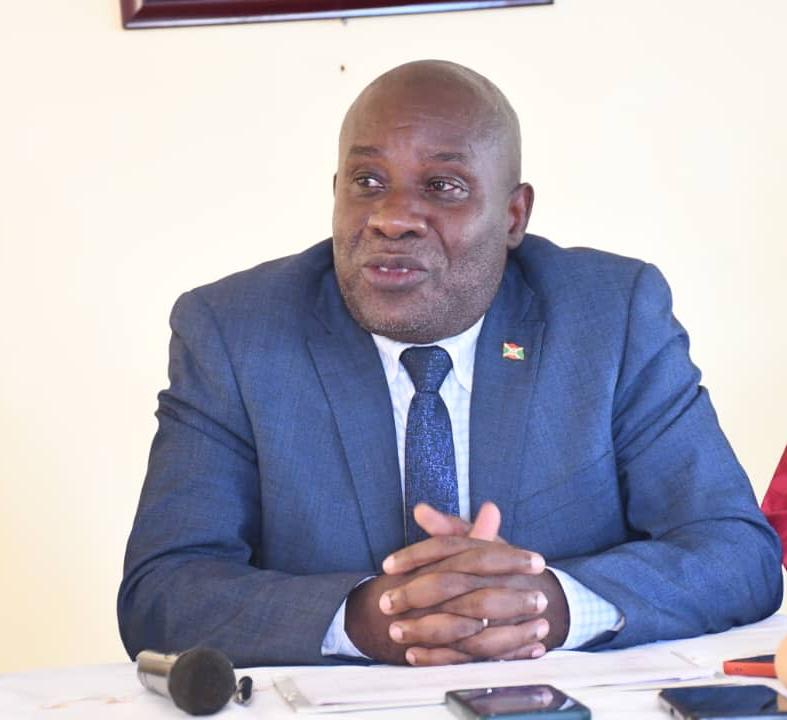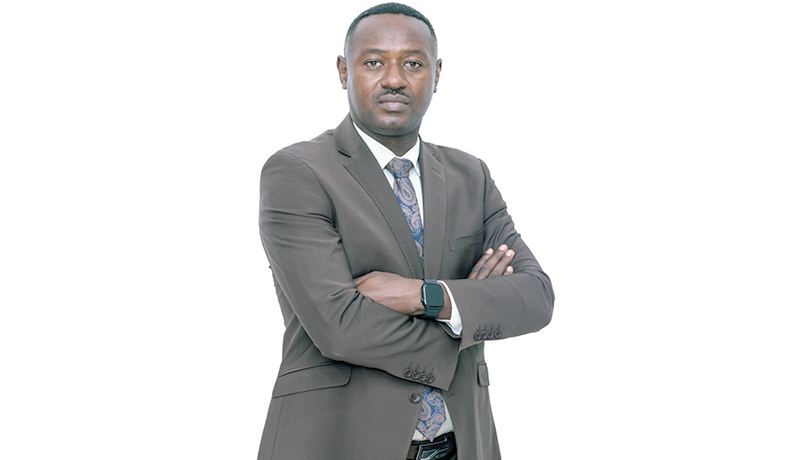
Burundian lawyer Jacques Nshimirimana has been named a finalist for a position on the UN Human Rights Committee, with the election scheduled to take place in New York. The upcoming election, which will determine the composition of this key international body, is drawing attention from various nations. Nshimirimana is among five candidates from Africa vying for the role, representing a significant regional interest in human rights advocacy and oversight. The other nations presenting candidacies from the continent are Uganda, Togo, Mali, and Ivory Coast, noting a diverse pool of expertise from across Africa seeking representation on the Committee.
Nshimirimana's Extensive Human Rights Experience
Jacques Nshimirimana, 41, is a doctor of law with extensive experience in human rights. His career has been marked by significant contributions to the protection and promotion of human rights, particularly within Burundi and across the African continent. He served as a Commissioner at the National Independent Human Rights Commission (CNIDH) of Burundi from 2019 to 202. During his tenure at CNIDH, he demonstrated a deep commitment to upholding human rights principles and actively participated in the commission's oversight and advocacy functions.
Further showing his dedication to human rights, Jacques Nshimirimana presided over the sub-commission for the promotion of human rights at CNIDH, a role that involved leading initiatives aimed at raising awareness and fostering a culture of human rights within the country. His work at CNIDH built upon a foundation of activism and legal expertise. In 2005, he founded SOJPAE-Burundi, an organization dedicated to advocating for children's rights, showcasing his early commitment to protecting vulnerable populations. His efforts significantly contributed to the drafting of the Burundian Child Protection Code, a landmark legislative achievement adopted in 2011, which provided a full legal framework for safeguarding children's welfare in Burundi.
Nshimirimana's leadership in the field of children's rights continued as he has chaired the National Federation of Associations Engaged in the Field of Childhood (FENADEB) since 2016. Under his guidance, FENADEB has played a vital role in coordinating the efforts of various organizations working to improve the lives of children. His impactful work in this area was internationally recognized in 2016 when he received the prestigious ORA Child Protection Award in Berlin, an accolade that noted his significant contributions to the global movement for child protection.
Beyond his practical advocacy and leadership roles, Jacques Nshimirimana is also a distinguished scholar. His doctoral thesis focused on combating human trafficking, a critical and complex human rights issue. This rigorous academic work not only demonstrated his intellectual prowess but also provided valuable insights into strategies for tackling this modern form of slavery. The quality of his research was recognized with an exceptional grade of 19 out of 20, reflecting the depth and originality of his scholarship. His commitment to research and dissemination of knowledge was further evidenced in 2025 when he published a study on human trafficking in the era of new technologies in the esteemed legal journal Penant, contributing to contemporary legal discourse on this evolving challenge. In addition to his national and academic contributions, Nshimirimana has also taken on regional leadership roles, serving as vice-president of the Working Group on Children's Rights within the Network of African National Human Rights Institutions (RINADH) since 2024, demonstrating his influence and expertise across the African continent.
The UN Human Rights Committee
The UN Human Rights Committee was established in 1976, marking a key moment in the international community's commitment to protecting fundamental human rights. The Committee is tasked with monitoring the application of the International Covenant on Civil and Political Rights (ICCPR), an international human rights treaty that sets forth a wide range of civil and political rights, including the right to life, freedom of expression, freedom of religion, and rights to a fair trial. This body comprises eighteen independent experts who serve in their personal capacities, bringing diverse legal and human rights expertise from around the world. Their role involves scrutinizing how signatory states uphold the civil and political rights outlined in the Covenant, ensuring compliance with international standards.
States that are parties to the ICCPR are required to submit regular reports to the Committee on how these rights are being implemented within their national legal and administrative frameworks. The Committee then meticulously examines these reports, engaging in constructive dialogue with state representatives and issuing its observations and recommendations to the individual states. These recommendations often highlight areas where improvements are needed and suggest concrete measures for better compliance with the Covenant. The Committee also considers individual complaints alleging violations of the ICCPR by states parties that have ratified the Optional Protocol to the Covenant, providing a key mechanism for individuals to seek redress for human rights abuses when domestic remedies have been exhausted. This individual complaints mechanism adds another layer of accountability, allowing the Committee to address specific instances of alleged violations and provide authoritative rulings.
A total of 175 States are currently parties to the ICCPR, representing a vast majority of the world's nations committed to these fundamental rights. These states will participate in the election process for new Committee members, showing the broad international support for the Committee's mandate. The Committee's work is key for ensuring accountability and promoting respect for human rights globally, providing guidance on the interpretation of the Covenant's provisions. Its decisions and general comments serve as authoritative interpretations of the ICCPR, influencing human rights law and practice worldwide and shaping the understanding and application of civil and political rights for millions of people.
The Election and Its Significance
The election for nine seats on the UN Human Rights Committee is scheduled for June 15, 2026, and will be held in New York. This election is a significant event for the international human rights community, as the newly elected members will play a critical role in upholding and interpreting the International Covenant on Civil and Political Rights. A total of sixteen candidates are competing to fill these nine positions on the committee, reflecting a competitive and diverse pool of human rights experts from various legal traditions and regions.
Should Jacques Nshimirimana be elected, he would mark a significant milestone as the first Burundian to serve on this body since its establishment in 1976. His election would not only be a personal achievement but also a source of national pride for Burundi, demonstrating the country's growing contribution to international human rights mechanisms. His extensive background in human rights law, advocacy, and his specialized expertise in areas such as children's rights and combating human trafficking, would bring a valuable perspective to the Committee's important work. The election process, involving the votes of 175 States parties to the ICCPR, shows the global importance of the Committee's mandate and the high regard in which its members are held.