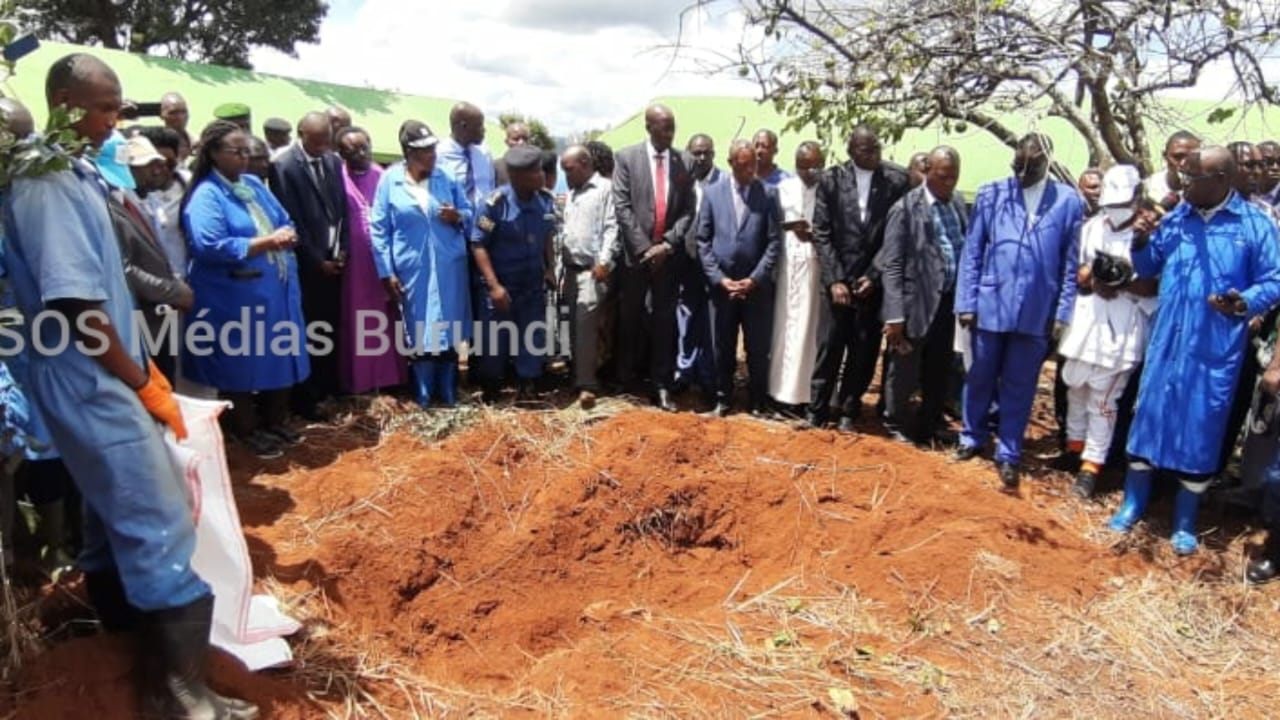
Burundian lawmakers approved a four-year extension for the Truth and Reconciliation Commission (CVR) on October 9, 2026. Members of the Burundian Parliament voted to prolong the mandate of the body, which investigates historical violence in the country. The previous operational period for the Commission vérité et réconciliation was scheduled to conclude on October 25, 2026. This legislative action ensures the commission continues its work investigating atrocities until 2030. The extension maintains the ongoing activities of the CVR in Bujumbura and across Burundi.
Origins and Legal Framework
Legislators established the Commission vérité et réconciliation in 2014 to implement provisions of the Arusha Peace and Reconciliation Agreement, which was signed in August 2000. This body investigates violence linked to the country’s civil war, a conflict that resulted in more than 300,000 deaths according to United Nations estimates.
Legal frameworks governing the commission include strict penalties for interference. Current legislation allows for prison sentences of one to three years for individuals who obstruct investigations. Additionally, those found providing false information to the commission face fines ranging between five and ten million Burundian francs. These measures aim to ensure the integrity of the ongoing documentation of historical atrocities across Burundi.
Controversy Over Historical Classification
Commission vérité et réconciliation President Pierre Claver Ndayicariye publicly characterized the 1972 massacres as a "genocide against the Hutus of Burundi" on December 20, 2021. This classification became a focal point for the commission as it documented historical violence during the period surrounding the country’s civil war.
President Évariste Ndayishimiye subsequently addressed the implications of this terminology in May 2022. He stated that it was not yet time to officially classify the 1972 killings as a genocide. His remarks noted ongoing internal deliberation regarding the formal state recognition of these historical events. The commission continues to operate under the legal frameworks established to investigate these atrocities, despite differing perspectives among state leadership regarding the specific historical categorization of the violence.
Civil Society Concerns Raised
The Forum pour le renforcement de la société civile (FORSC) publicly criticized the parliamentary decision to extend the mandate of the Commission vérité et réconciliation. Representatives from the organization expressed concern that the prolonged operations of the commission could foster a selective memory regarding the country's past. According to the Forum pour le renforcement de la société civile, this approach risks deepening existing national fractures rather than facilitating genuine reconciliation. The group maintained that the current investigative focus of the commission fails to address the full scope of historical violence in a balanced manner. These warnings from civil society members come as the body prepares to continue its work until 2030, maintaining its presence in Bujumbura and throughout Burundi. Officials have not provided a formal response to these specific criticisms from the Forum pour le renforcement de la société civile. The extension remains in effect despite these objections, ensuring the commission maintains its legal authority to document atrocities and manage its ongoing investigations into historical events.