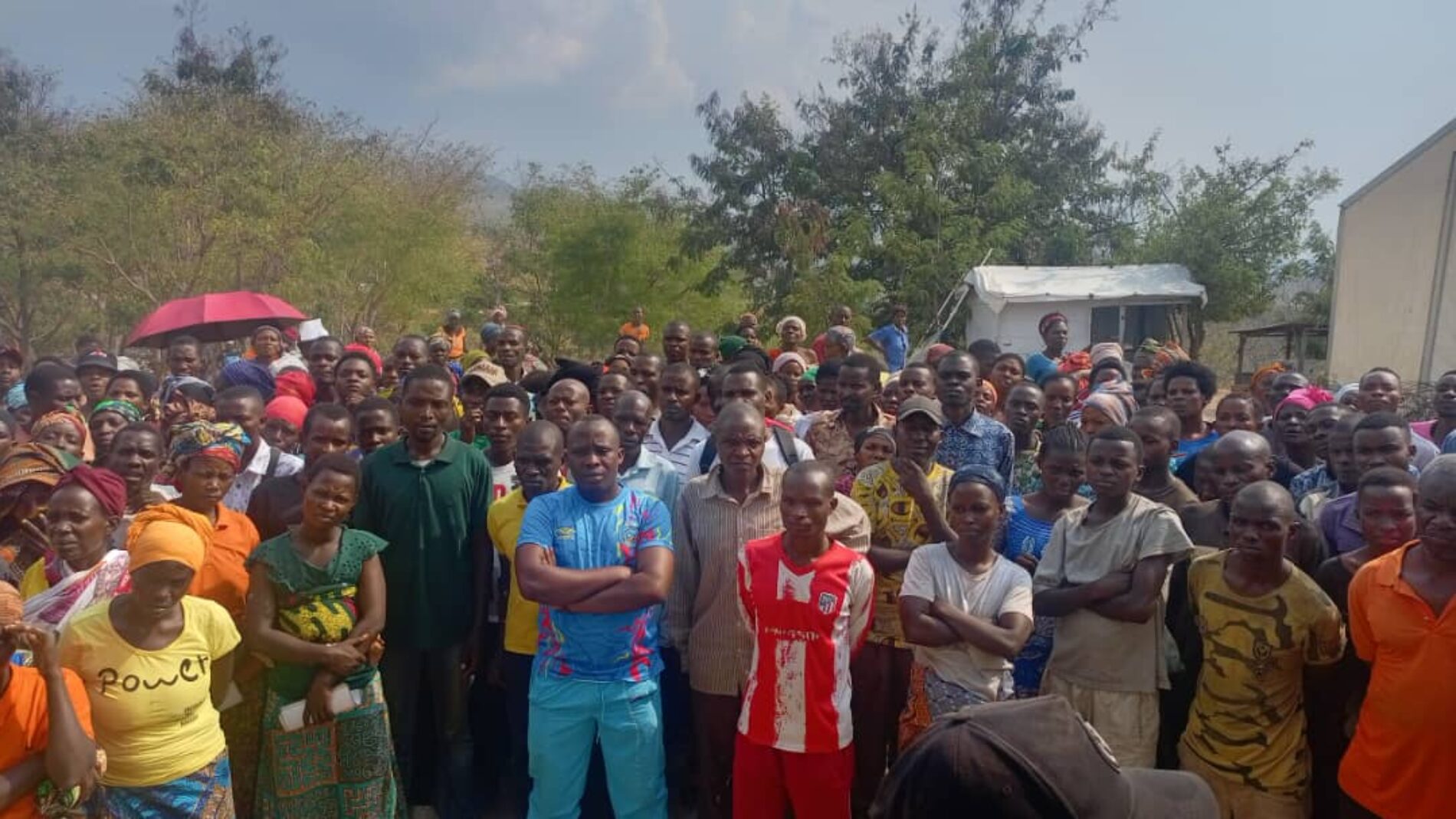
Hundreds of Burundian refugee families in Lusenda camp, Fizi territory, South Kivu, DRC, received tarpaulins on Tuesday, July 16, 2026. The assistance aimed to provide temporary shelter solutions for those most in need within the camp, addressing immediate vulnerabilities related to inadequate housing. This key distribution came as many families faced precarious living conditions, noting the ongoing challenges within the refugee settlement. Out of 562 households assessed for shelter needs, a significant 510 were identified as high-risk cases and directly benefited from this targeted distribution, showing the widespread necessity for improved shelter.
Urgent Needs and Refugee Demands
Each household received four tarpaulins, consistent with the new UNHCR protocol, irrespective of the number of people residing within the household. This standardized provision aimed to ensure equitable distribution among the most vulnerable families. While appreciative of the immediate relief, refugees at Lusenda camp are advocating for the replacement of these temporary tarpaulins with more durable building materials. They are specifically requesting UNHCR to gradually replace the tarpaulins with sheet metal roofing, which they view as a more permanent and resilient solution. This type of roofing is considered more resistant and better adapted to the conditions of long-term exile, offering a more sustainable shelter solution for the displaced population in the camp. The current tarpaulins, though providing immediate cover, are prone to wear and tear, offering limited protection against harsh weather conditions and requiring frequent replacement.
Camp Conditions and UNHCR's Role
The tarpaulins were distributed by the UNHCR (Haut-Commissariat des Nations unies pour les réfugiés) to the Burundian refugee families, demonstrating the agency's commitment to supporting displaced populations. This distribution was facilitated through the UNHCR's implementing partner, CIAUD (Comité international pour l’aide d’urgence et le développement), showcasing the collaborative effort required to deliver humanitarian aid effectively. The collaborative effort aimed to address immediate shelter vulnerabilities within Lusenda camp, which hosts a substantial number of Burundian refugees. The provision of these materials follows a thorough assessment that identified a significant number of households requiring urgent support, reflecting a proactive approach to humanitarian assistance. UNHCR, through its partners, regularly assesses and responds to the evolving needs of displaced populations, focusing on providing essential humanitarian assistance. The agency's role involves coordinating with various organizations to ensure aid reaches those affected by displacement and conflict, including the continued monitoring of camp conditions and the provision of basic necessities such as shelter, water, and sanitation.
Broader Refugee Context
The challenges faced by Burundian refugees extend beyond shelter. Burundian refugees residing in both Lusenda and Mulongwe camps have reportedly been without food assistance for more than 18 months, a critical situation that compounds their vulnerability. This prolonged lack of food aid adds to broader humanitarian challenges facing displaced populations in the region, placing immense pressure on families already struggling to meet their basic needs. The Democratic Republic of Congo currently hosts over 42,000 Burundian refugees, with the overwhelming majority of these individuals situated within South Kivu province. These refugees often arrive with limited resources, having fled conflict and instability in their home country, making them heavily reliant on humanitarian aid for survival.
Refugee Voices and Hopes
The tarpaulins were distributed in front of the offices of the National Commission for Refugees (CNR), a location chosen to facilitate the organized and transparent provision of materials to the identified refugee families. This systematic approach helped ensure that the aid reached those most in need efficiently. The distribution aimed to address immediate shelter needs, providing a measure of relief for families living in precarious conditions. However, refugees continue to advocate for more permanent housing solutions, expressing a clear desire for stability and dignity in their protracted displacement. Their hope is for more durable structures that can withstand the elements and provide a safer, more secure environment for their families in the long term.