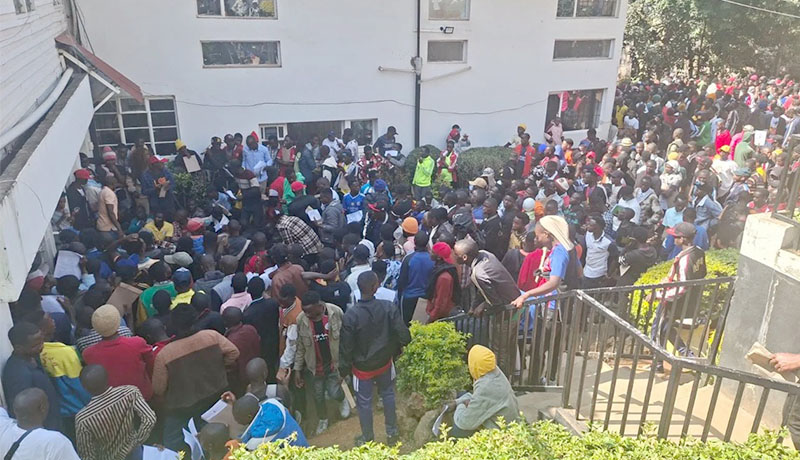
Burundian traders in Kenya are increasingly feeling unwelcome, with many reportedly preparing to leave the country. This sentiment is palpable, with Burundian traders beginning to pack their bags due to a profound feeling of insecurity and unwelcomeness. Images circulated on September 7 showing Burundian nationals with luggage outside their embassy in Nairobi, sparking widespread concern and shocking many observers. This visible exodus suggests Burundian traders are packing their bags, driven by a growing sense of insecurity and unwelcomeness within Kenya, prompting them to consider departing the country.
Political Rhetoric and Ground Reality
Three months before the recent events, Kenyan Member of Parliament Beatrice Elachi, representing Dagoretti, identified Burundian workers and small traders as symbols of competition for Kenyans in low-income sectors. This rhetoric contrasts sharply with the official stance from the Kenyan Ministry of Foreign Affairs, which affirmed that foreign nationals possessing the necessary documents, including work permits and licenses, would be permitted to continue their legal operations. The Ministry of Foreign Affairs specifically stated that foreigners with necessary documents, such as work permits and licenses, would still be allowed to operate legally, aiming to reassure the international community. Despite these official assurances, the situation on the ground for Burundian traders has been challenging. In Mombasa, specifically in the Likoni neighborhood, Burundian traders sought refuge in a local church, reporting threats and disruptions to their commercial activities. An expert in international relations commented that attributing economic difficulties to foreigners is often politically convenient, though not necessarily economically just, noting the underlying motivations behind such policies.
Calls for Protection and Solutions
The article suggests that the Burundian government in Gitega should demand that control operations do not degenerate into harassment, arbitrary confiscations, violence, or xenophobic acts against its citizens abroad. This proactive stance is seen as key for protecting its nationals. The article argues that the most effective way to safeguard Burundians from foreign economic decisions is by fostering entrepreneurship within Burundi itself. This would involve improving access to credit, establishing organized markets, and developing adapted infrastructure to support local businesses, thereby creating conditions for strong domestic economic activity. The article also emphasizes that the East African Community (EAC) must address the situation, convening a consultation between member states. Such a meeting would aim to establish a common framework specifically designed for small traders and independent workers across the region, ensuring fair and consistent treatment for all.
Broader Implications for EAC
Kenyan President William Ruto announced on September 2 that foreigners engaged in "certain small trade and street vending activities should cease in order to protect Kenyan traders." This statement, made publicly, has contributed to the prevailing sentiment among foreign traders, including those from Burundi, regarding their economic security in Kenya. The directive signals a clear policy shift towards prioritizing Kenyan nationals in specific commercial sectors, potentially impacting the livelihoods of numerous small-scale foreign entrepreneurs. Such pronouncements from a head of state carry significant weight, influencing both official enforcement actions and public perceptions towards non-citizen economic actors. The implications extend beyond immediate economic disruption, raising profound questions about regional trade integration and the free movement of goods and services within the East African Community, potentially undermining the foundational principles of regional cooperation.