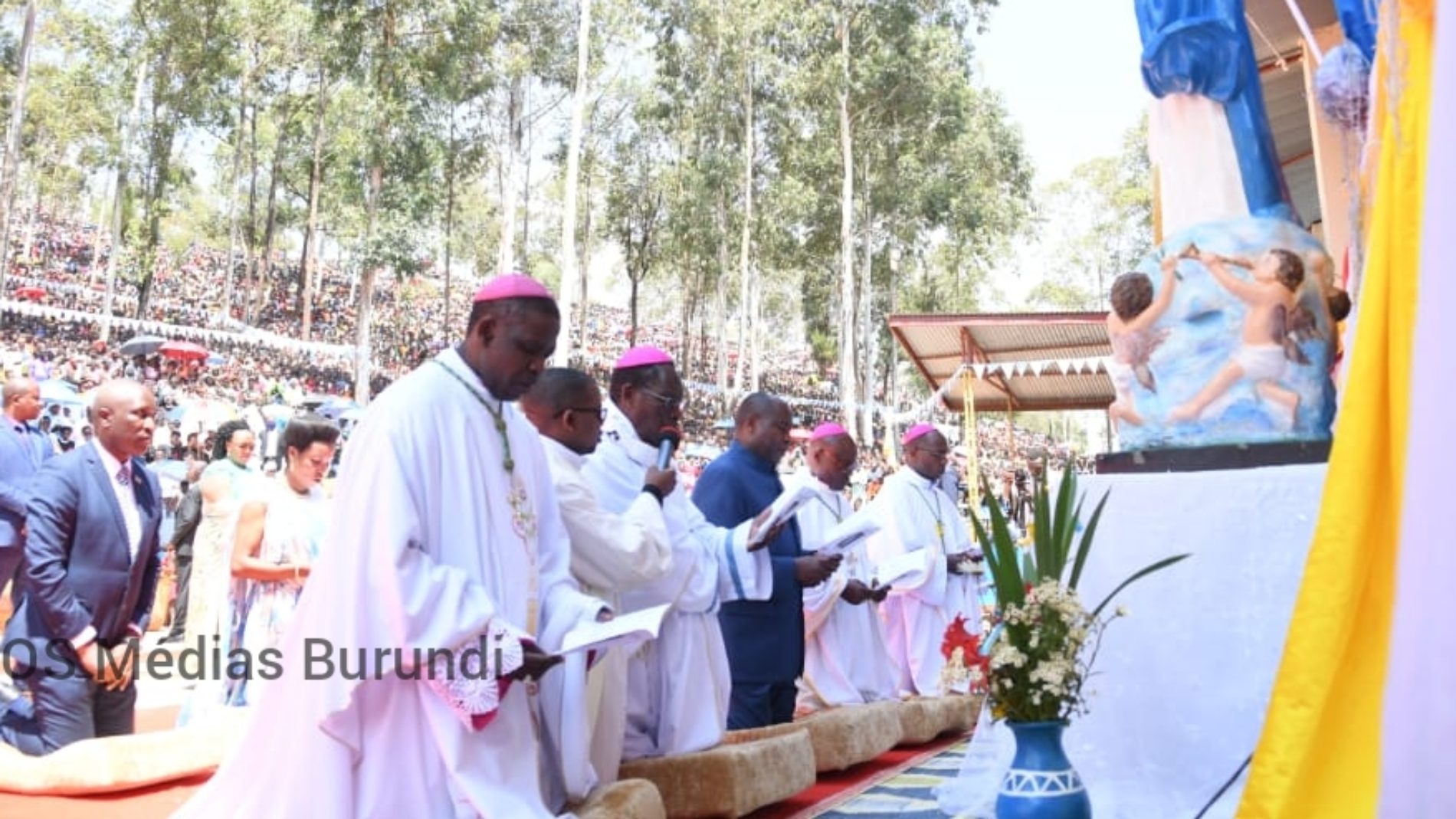
Burundi's Catholic bishops convened their ordinary plenary assembly in Bujumbura from June 1 to June 5, subsequently releasing a communiqué on Tuesday, June 9, denouncing the country's socio-economic and rights situation. The Conference of Catholic Bishops of Burundi (CECAB) made its concerns public following the meeting. The Catholic bishops of Burundi held their ordinary plenary assembly from June 1 to June 5 in Bujumbura, concluding with the release of their collective statement. The communiqué from the bishops was made public on Tuesday, June 9, drawing attention to a range of critical issues facing the nation. Mgr Joachim Ntahondereye, bishop of the diocese of Muyinga, leads CECAB, guiding the collective voice of the Catholic Church in Burundi.
Economic Hardship and Scarcity
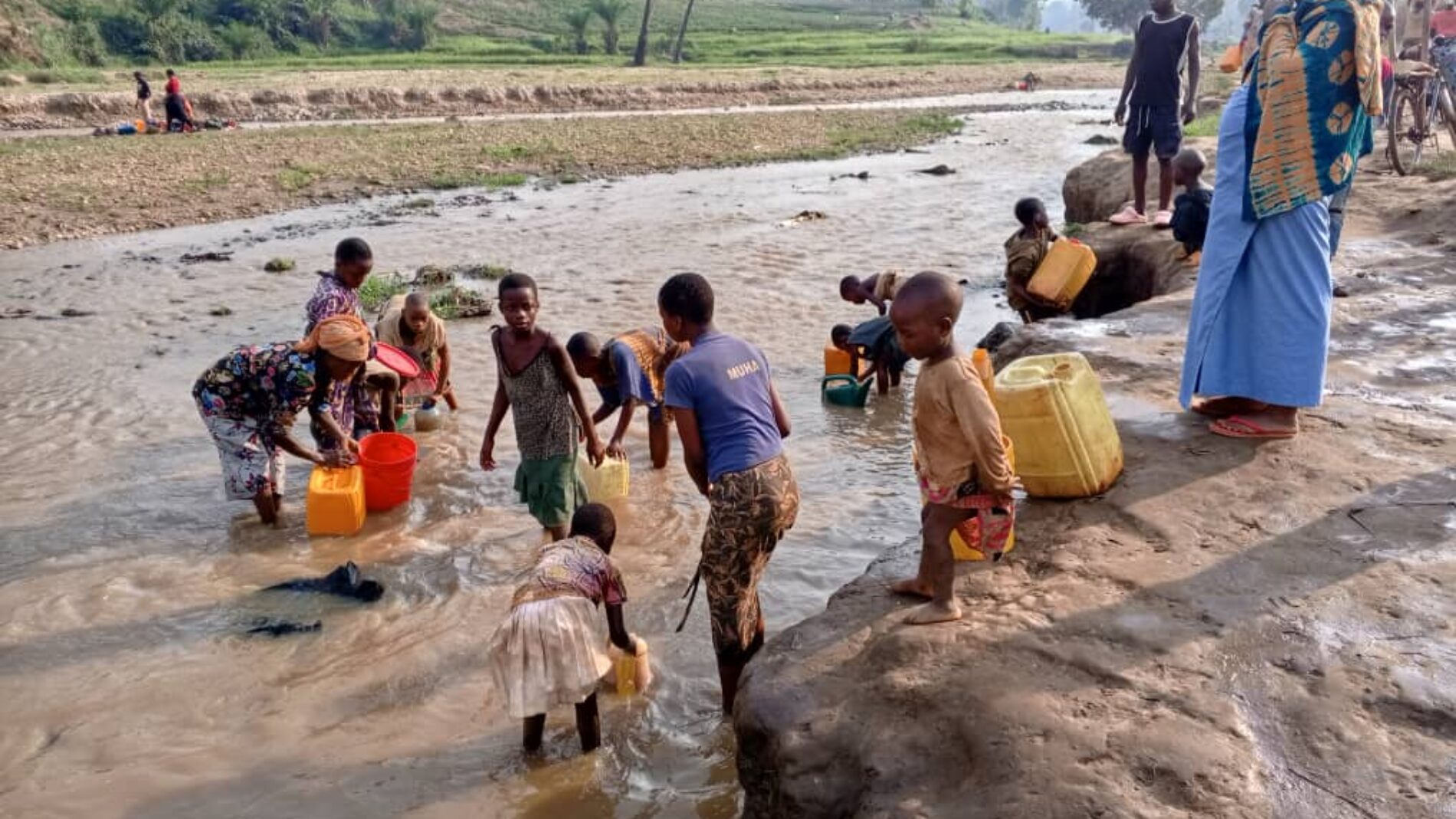
Burundi's Catholic bishops have noted persistent shortages of fuel and medicines across many health structures, raising alarm about the direct impact on public health and daily life. They also noted the scarcity of several essential products, which has aggravated household precarity throughout the country, making it increasingly difficult for families to meet their basic needs. The Conference of Catholic Bishops of Burundi (CECAB) stated that the continuous rise in the cost of living has not been accompanied by an improvement in income for citizens, leading to a widening gap between expenses and earnings. This economic strain is felt acutely by a large segment of the population.
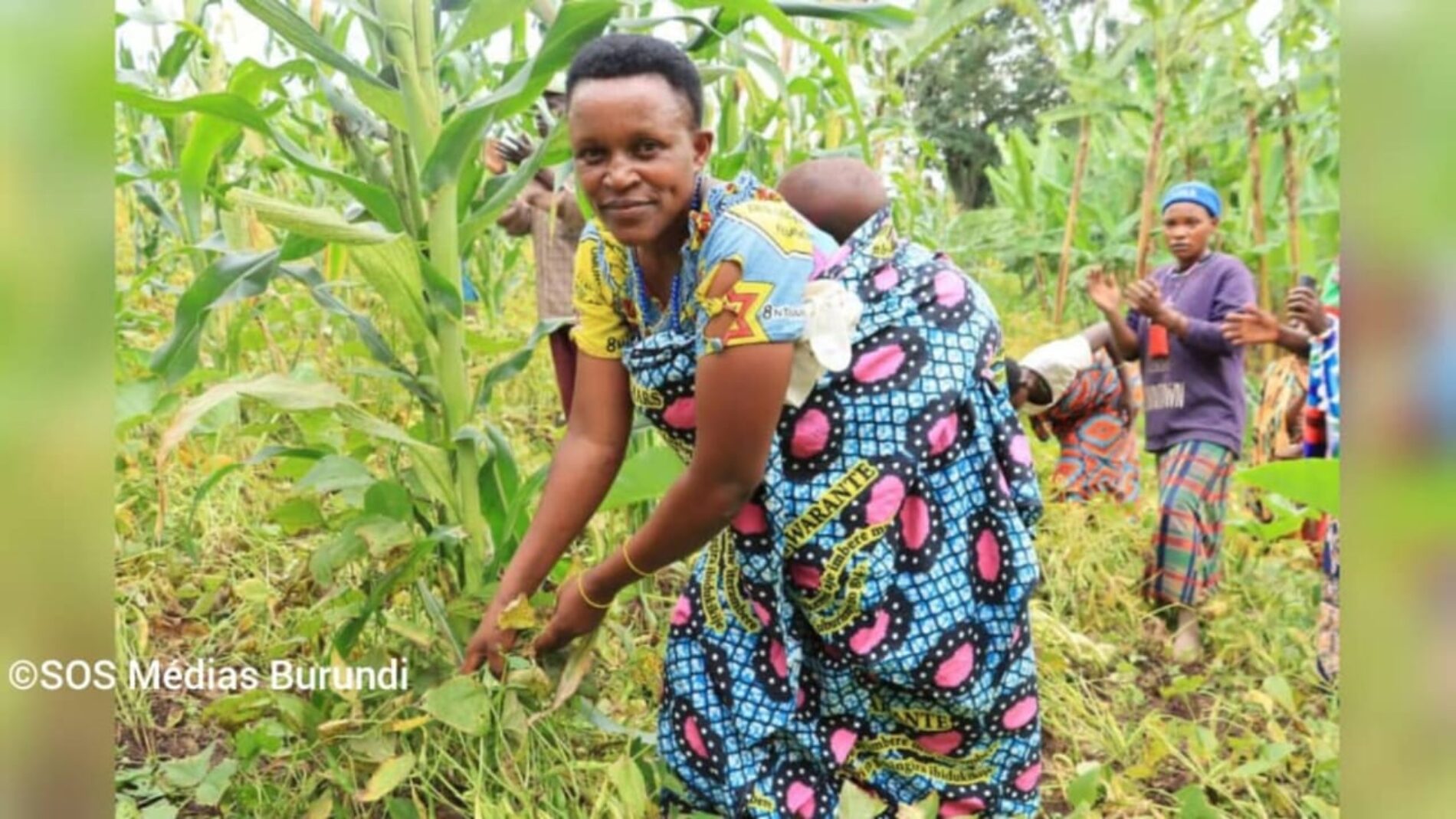
Agricultural harvests from the last season did not meet expectations, with the bishops attributing this to delayed fertilizer distribution and irregular rainfall, factors that severely hampered agricultural productivity. The CECAB also deplores the advanced degradation of road infrastructure, a critical factor contributing to the economic challenges faced by the nation. Poor road conditions impede the transportation of goods, increase costs, and limit access to markets, further exacerbating the scarcity of essential products and the overall economic hardship.
Exodus and Freedom Concerns
A growing exodus of skilled workers, including doctors, teachers, young graduates, and civil servants, has been noted by the bishops, who state these individuals are leaving Burundi in search of better conditions. This brain drain represents a significant loss of human capital, impacting various sectors from health to education and public administration. The Conference of Catholic Bishops of Burundi (CECAB) also denounced the organization of official activities on Sundays, asserting that this practice prevents the faithful from attending Sunday worship. Such directives, they argue, infringe upon religious freedom and disrupt traditional community practices.
The bishops expressed concern over contributions imposed on citizens for political parties, even on those who are not members. This practice, often perceived as coercive, places an undue financial burden on individuals and raises questions about political participation and freedom of association. Additionally, the CECAB voiced alarm regarding the recurring discovery of lifeless bodies in various regions of the country, with perpetrators often remaining unidentified. This deeply troubling issue points to a climate of insecurity and a lack of accountability, causing widespread fear and distress among the population. The bishops further denounced cases where individuals are held in detention despite favorable judicial decisions, such as acquittals or sentences that have already been served. These instances, they noted, represent a serious violation of due process and fundamental human rights, undermining trust in the justice system.
Call for Urgent Action
The Conference of Catholic Bishops of Burundi (CECAB) called for urgent measures from various stakeholders to address the nation's challenges. The bishops urged authorities to implement actions that would improve the living conditions of citizens, emphasizing the need for concrete policies to alleviate economic hardship and ensure access to essential services. They also appealed to political leaders to prioritize the welfare of the population above all other considerations, stressing the importance of governance focused on public good. Judicial institutions were called upon to ensure the guarantee and respect of fundamental rights for all individuals in Burundi, urging them to uphold justice and due process without compromise. The CECAB's communiqué emphasized the necessity of these collective efforts to mitigate the socio-economic hardships and rights abuses detailed in their report, showing the urgency of a full and coordinated response to the country's multifaceted crises.
Historical Context and Criticism
In September 2019, Willy Nyamitwe, who served as head of communications at the presidency under former president Pierre Nkurunziza, openly criticized some Catholic bishops. Nyamitwe stated that "certain bishops should be defrocked because it has become a habit: on the eve of elections, they have to spew their venom of hatred through incendiary messages." He added, "Good heavens! What could be more normal since they are not even models of piety." This past criticism notes a historical tension between government officials and the Catholic Church in Burundi regarding their public pronouncements, particularly when the Church raises concerns about governance and human rights. This dynamic suggests a pattern of government sensitivity to critical assessments from religious leaders, framing such interventions as politically motivated rather than humanitarian or moral concerns.