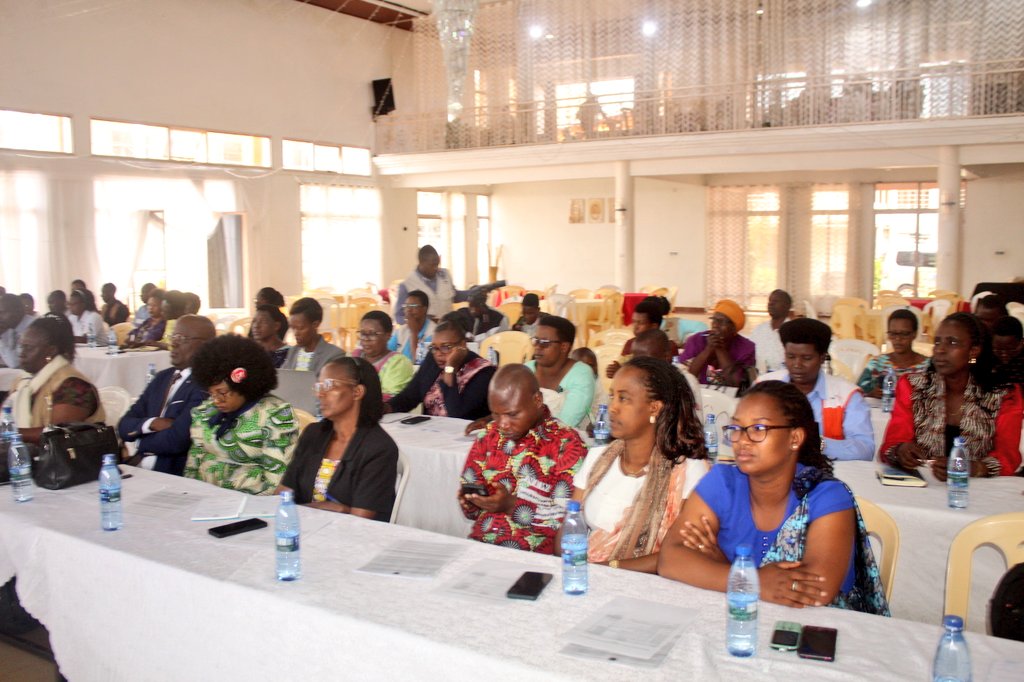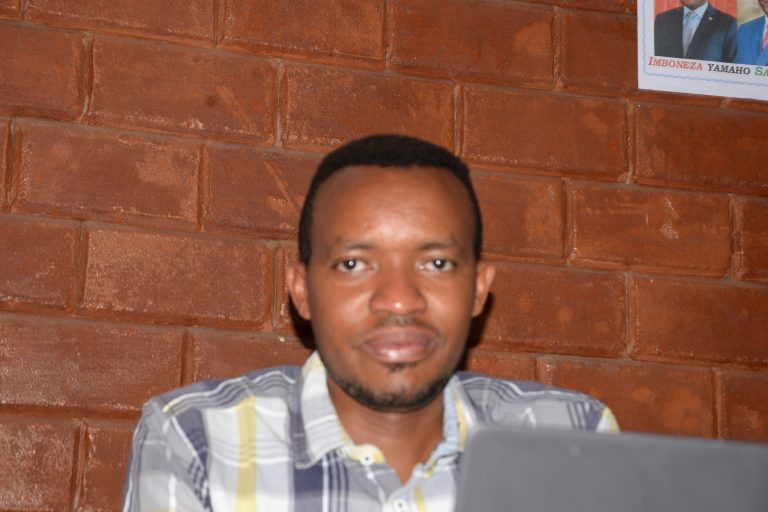
Burundi's inclusive schools have finalized their subject reviews and are intensifying exam preparations ahead of the national exam for all 9th-year students, edition 2026, on June 2, 2026. This national assessment marks a critical milestone for students across the country. Edifax Ndayikengurukiye, director of the Center for Reference for Inclusive Education (CEREI), and Zabulon Nkurunziza, prefect of studies at the Ephphatha school for the deaf, confirmed these developments and provided further insights into the ongoing efforts in telephone interviews on Thursday, May 21, 2026. Their statements noted the dedicated work being undertaken to ensure all students are well-prepared.
Ndayikengurukiye elaborated on the structural support for inclusive education, stating, "Normalement dans chaque classe, il devrait y avoir deux enseignants l’un dit « guide » pour se focaliser plus à ces enfants à besoins spécifiques pour qu’ils soient aidés et l’autre dit « ordinaire » pour assurer l’avancement normal des programmes." He emphasized the current intensive revision period, adding, "Pour le moment nous faisons des révisions intenses, où chaque enseignants doit faire des renforcements dans la révision des matières en se référant aux épreuves types et des exercices types de différents sortes." Ndayikengurukiye also offered reassurance and advice to students, reminding them, "Ils doivent savoir que l’examen national est un examen comme tant d’autres," aiming to alleviate potential anxiety. These preparations show a full approach to student readiness.
Teacher Roles and Training Needs
Burundi's inclusive education model mandates a dual-teacher system for each classroom, a key component for effective learning. This setup requires one "guide" teacher, whose primary role is to focus more specifically on children with special needs, ensuring they receive tailored assistance and support. Alongside, an "ordinary" teacher is responsible for the standard progression of the curriculum, managing the overall academic advancement of the programs, according to statements made in the context of the country's educational reforms. This dual approach aims to cater to the diverse learning paces and requirements within a single classroom environment.
The system also identifies a pressing need for specialized teachers for children with disabilities, who are essential for delivering continuous training and professional development to general classroom instructors. This ongoing professional development aims to equip all teachers with the necessary skills and pedagogical strategies to support diverse learning requirements effectively, fostering a more adaptable educational workforce. Authorities have called for the widespread promotion and adoption of sign language among all teachers. This initiative is intended to enable effective communication with deaf-mute children, thereby fostering a more inclusive and accessible learning environment across all schools and ensuring no student is left behind due to communication barriers.
Ephphatha School's Progress and Challenges
At the Ephphatha school, a key institution for inclusive education, the curriculum has been completed, and revisions are proceeding as planned and progressing normally. This completion signifies a significant step in the academic calendar, allowing dedicated time for review. However, despite this progress, the institution faces specific challenges, particularly in Kirundi and Science and Technology courses. Explaining the nuances of Kirundi tones and proverbs in sign language presents a notable difficulty for educators, requiring innovative teaching methods and specialized skills. This notes the unique complexities involved in making certain subjects accessible to all students.
The school also reports a deficiency in appropriate teaching materials for chemistry, physics, and technology subjects. These material shortages impact the effectiveness of instruction in these critical areas, complicating efforts to fully support students with specific learning requirements. The lack of adequate resources hampers practical demonstrations and hands-on learning, which are vital for a full understanding of scientific and technological concepts. Addressing these material gaps is key for enhancing the quality of inclusive education at Ephphatha and similar institutions.
Parental Involvement and Exam Outlook
Schools for inclusive education in Burundi are continuing their preparations for the upcoming national exam, aligning with the efforts of all other schools across the country. This period of intensified review and curriculum completion is a nationwide endeavor involving various educational institutions, all working towards the common goal of student success. The unified approach ensures consistency in preparation standards across different school types.
The involvement of parents is considered indispensable during this key preparation phase for the national exam. Their role is seen as vital in supporting students as they ready themselves for the assessments, providing encouragement, monitoring study habits, and collaborating with teachers. This emphasizes a collaborative approach between schools and families to ensure students are adequately prepared for the examinations, recognizing that a strong support system at home significantly contributes to academic achievement. This collective effort is designed to maximize each student's potential as they approach the national assessment.