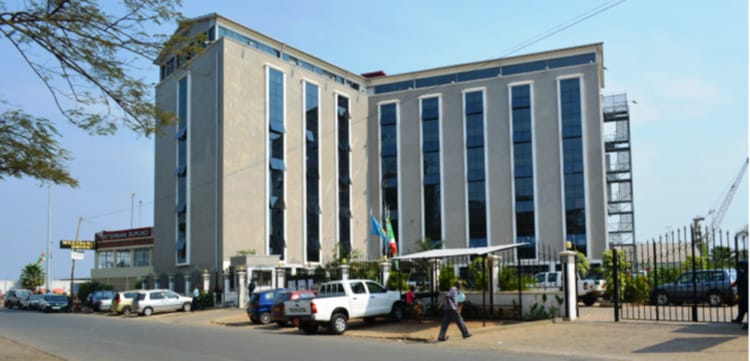
In Burundi, fiscal contributions are considered an essential mechanism for supporting economic development and ensuring public services benefit the entire population. This perspective notes the fundamental role that taxation plays in the nation's progress and the well-being of its citizens. The Office Burundais des Recettes (OBR) is the principal institution responsible for collecting taxes and duties across the country. These key collections are obtained from all taxpayers within Burundi, with the explicit purpose of funding national development initiatives and ensuring the continuous provision of vital public services. The OBR's mandate is to ensure that these fiscal resources are gathered efficiently and effectively, forming the bedrock of the country's economic stability and growth.
The Importance of Fiscal Contribution
Regular tax payments are widely recognized as a cornerstone for national development. According to merchant Divine Niyera, these payments indirectly improve public services such as education, health, infrastructure, and security. Niyera explained that the funds generated through taxation are channeled directly into these sectors, allowing for the construction of new schools, the equipping of hospitals, the maintenance and expansion of transport networks, and the strengthening of national security forces. These investments, made possible by consistent fiscal input, are key for the collective well-being of the population, enhancing the quality of life for all Burundians. The direct link between tax revenue and tangible public benefits shows the significance of every citizen's contribution.
Divine Niyera also issued a warning, stating that if tax contributions are not made consistently, the national economy risks being significantly weakened. The merchant emphasized that a lack of fiscal input would severely limit the state's ability to invest in essential development projects, thereby hindering overall progress for the country. This consistent flow of revenue is vital for maintaining economic stability and ensuring that the government can meet its obligations to its citizens. Timely and consistent tax payments are therefore presented as fundamental to maintaining economic stability and funding critical national initiatives in Burundi, ensuring that planned projects can proceed without interruption and that public services remain strong.
Taxpayer Perspectives and Concerns
The concept of tax payment as a civic duty is deeply ingrained in the national consciousness. Jean Ndizeye, a merchant, articulated this sentiment, explaining that paying taxes is a civic responsibility because the state provides an organized environment and essential infrastructure. Ndizeye elaborated that the government's role in establishing law and order, maintaining roads, and ensuring public safety creates the necessary conditions for businesses to thrive and for individuals to live securely. This perspective notes the reciprocal relationship between citizens and the government, where fiscal contributions enable the state to fulfill its foundational duties, which in turn benefit the taxpayers.
However, some taxpayers have expressed concerns about the structure of current tax obligations, suggesting areas for potential reform. Fabrice Manirakiza, a rental property owner, for instance, suggested simplifying the tax system by paying only one tax on a house, rather than being subject to separate rental and property taxes. Manirakiza's proposal stems from a desire to reduce the administrative burden and perceived complexity associated with multiple tax obligations on a single asset. This suggestion indicates a desire among certain taxpayers for a more streamlined and potentially less burdensome approach to fiscal contributions in Burundi, aiming for greater efficiency and clarity in the taxation process. Such feedback shows the ongoing dialogue between the OBR and the taxpayer community regarding the practical implementation of tax policies.
Ensuring Fair Competition and Economic Health
Beyond funding public services, tax compliance plays a key role in maintaining a healthy and equitable economic environment. Divine Niyera, a merchant, stated that tax compliance fosters fair competition among businesses. Niyera indicated that merchants who evade taxes can offer goods at lower prices due to their reduced overheads, which creates an unfair advantage over those businesses that diligently adhere to tax regulations. This dynamic, according to Niyera, distorts the market and can severely penalize law-abiding businesses, making it difficult for them to compete effectively.
Ensuring all merchants contribute their fair share through taxation is therefore seen as essential for maintaining an equitable economic environment where all businesses operate on a level playing field. Tax compliance helps prevent illicit practices from undermining legitimate trade and supports the overall health of the commercial sector in Burundi. When all businesses contribute equitably, the market can function more efficiently, fostering innovation and growth for the benefit of the entire economy. This commitment to fair play through consistent tax enforcement is a key pillar of the OBR's strategy to promote sustainable economic development and protect ethical business practices.